
Best Online Trading Apps in Nigeria: How to Choose
Looking for the best online trading app in Nigeria? Discover key features, security tips, fees, ease of use, and reliable support to trade confidently 📱💹
Edited By
Jack Turner
Trading online in Nigeria has picked up steam over the years, with more folks looking to dip their toes in the financial markets. Picking the right platform ain't just about flashy designs or catchy ads—it's about the features, fees, and security that actually matter when you're putting your money on the line.
Whether you're a newbie trying to make sense of it all or a seasoned trader hunting for a better deal, understanding what each platform offers is key. From forex and stocks to cryptocurrencies and commodities, the options can get quite overwhelming. And let's not forget how important ease of use and customer support become when time is money.
Choosing the right online trading platform can make or break your trading experience. It's worth taking the time to get it right.
In this article, we'll break down the must-know factors so you can make an informed choice. We’ll also highlight some popular platforms tailored to the Nigerian market and sprinkle in tips to help you get started or up your game. If you're serious about trading, this guide's got you covered.
Getting a firm grasp of what an online trading platform actually provides is the cornerstone of making smart choices in the Nigerian market. Platforms can look similar at a glance, but the devil is in the details—knowing their core functions and differences saves you from headaches and missed opportunities.
Imagine you’re shopping for a phone. You wouldn’t just grab the cheapest one without checking if it has the features you need, right? Trading platforms are just the same. They’re more than simple gateways for buying and selling assets; they’re packed with tools and functionalities that could either smooth your trades or complicate your life.
The heartbeat of any trading platform lies in how effectively you can place orders and get them executed. In Nigeria’s volatile markets, every second counts. A robust order system ensures your buy or sell requests are processed promptly and accurately, avoiding delays that might cost you dearly.
For instance, if you're trading on platforms like Trove or Bamboo, look for features like instant order confirmation and real-time execution reports. An issue many face with unstable platforms is order slippage—where the price changes between order placement and execution, resulting in unexpected losses. So, smooth order flow isn’t just a luxury; it’s essential.
Anyone who’s serious about trading knows that information is power. Market data feeds, live quotes, and detailed charts are your windows into how assets behave. Trading platforms with built-in technical indicators, such as moving averages or RSI, give you an edge to analyse trends without hopping from site to site.
Take, for example, platforms like Quidax for crypto trading—they often provide candlestick charts right on the interface, allowing you to spot buy and sell signals at a glance. Having these tools integrated saves time and helps in quicker decision-making, key to surfing Nigeria’s often choppy markets.
Beyond trades, managing your account seamlessly is often overlooked but super important. Good platforms give you easy access to your portfolio summaries, transaction histories, and withdrawal options in one dashboard. It's a bit like having a personal assistant for your investments.
Consider platforms like Chaka, which offer real-time updates on your holdings and allow easy fund transfers from Nigerian banks. Also, tools like tax reporting and automated alerts can take some weight off your shoulders, helping you focus on strategy rather than paperwork.
The Nigerian market runs on different rules compared to international trading hubs like New York or London. Local platforms have to comply with the Securities and Exchange Commission (SEC) Nigeria and other regulatory bodies, ensuring a layer of protection for investors.
This difference means platforms operating in Nigeria usually enforce stricter Know Your Customer (KYC) processes and limits on certain types of trades. International platforms, like IG or eToro, might have looser entry barriers but could expose traders to risks from lax oversight or regulatory disputes. Understanding these nuances is vital when picking where to trade.
Nigerian-focused platforms often concentrate on local assets—like shares of Nigerian banks or government bonds—whereas international venues offer a broader menu, including foreign stocks, commodities, or exotic ETFs.
For a Nigerian trader who wants to diversify beyond the Lagos Stock Exchange, platforms like Interactive Brokers open access to markets worldwide. But keep in mind, trading foreign assets might involve more complex rules, higher fees, or currency risks.
Most Nigerian platforms accept deposits and withdrawals in Naira, integrating with local banks and mobile payment systems such as Flutterwave or Paystack. This convenience removes the hassle and cost of currency conversion.
On the flip side, international platforms usually operate in USD, Euro, or other major currencies. Funding accounts often requires wire transfers or international cards, which can be cumbersome and expensive. This factor alone can influence your choice, especially if you want fast, low-cost access to your funds.
Picking the right trading platform isn't just about flashy features—it's about fitting the tool to your trading style, goals, and practical needs in the local context.
Understanding these essentials lets you choose a platform that’s more than just a window to the market—it becomes a solid partner in your trading journey.
When it comes to online trading in Nigeria, security isn't just a box to tick—it's the backbone that supports your whole investment journey. With numerous stories of accounts getting hacked or funds disappearing overnight, a secure trading platform can save you a ton of stress and potential losses. Understanding the layers of security built into a platform helps you protect your hard-earned money and personal info.
Encryption is like the digital vault locking away your data every time you log in, place a trade, or transfer funds. The best trading platforms use strong encryption standards such as SSL (Secure Sockets Layer) or TLS (Transport Layer Security) to scramble your information, making it unreadable to hackers. For example, platforms like TD Ameritrade and FXPro use robust encryption to secure user data end-to-end.
Without encryption, sensitive data such as passwords, bank details, and trade information can be intercepted on public networks or compromised by cyber thieves. So, always double-check if the platform displays a padlock symbol in the browser's address bar or mentions encryption on its homepage.
Next up is how a platform confirms that it’s actually you behind the screen. Two-factor authentication (2FA) has become the gold standard here. This method requires you to provide two types of identification before allowing access—usually a password plus a unique code sent to your phone or email. This way, even if someone cracks your password, they still can’t get in.
Some platforms take it a step further by monitoring for unusual activity, such as logins from strange locations or multiple failed password attempts. For instance, platforms like Interactive Brokers alert users if they detect suspicious behavior and may temporarily lock accounts to prevent fraud.
In Nigeria, it’s vital to pick trading platforms regulated by the Nigerian Securities and Exchange Commission (SEC) or the Nigerian Stock Exchange (NSE). These bodies enforce rules to protect investors from fraud, malpractice, and unlicensed operators. When a platform has SEC approval, you gain confidence knowing it follows strict capital adequacy rules, maintains transparent reporting, and undergoes regular audits.
Regulatory compliance also means your funds are safer; in cases of insolvency, protections mechanisms may kick in. So, before signing up, check if the platform openly displays its license numbers or registration certificates on its site.
For platforms operating across borders, adherence to international standards like MiFID II (Markets in Financial Instruments Directive) in Europe or regulations from the U.S. Securities and Exchange Commission adds another layer of trustworthiness. These standards enforce strict client protection policies, transparent fee disclosures, and proper handling of client funds.
Platforms like eToro and Saxo Bank often highlight their compliance with global norms, which is reassuring given the complexities of international trading. For Nigerian traders accessing international markets, this means less worry about unfair practices or sudden account freezes.
Security isn't something you can touch or see, but its effects are felt every time you trade without worry. Always make it your first checkpoint.
When evaluating security, keep a checklist handy:
Does the platform use strong encryption like SSL/TLS?
Is two-factor authentication available and easy to set up?
Are there automated alerts for unusual account activity?
Is the platform licensed by Nigerian regulators like SEC or NSE?
Does it comply with international financial standards?
Picking a trading platform that nails these security measures helps you focus on what matters most: making smart trades without constantly looking over your shoulder.
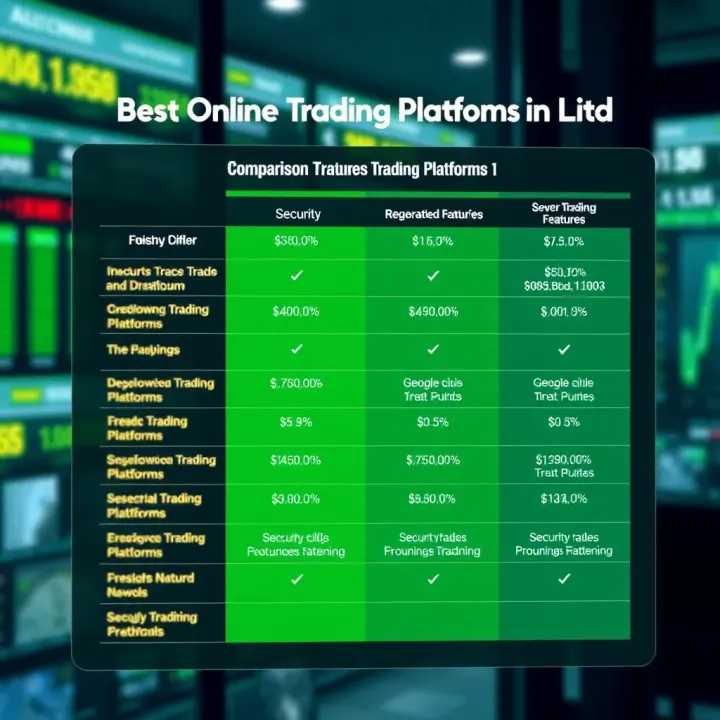
Understanding the fees and costs involved in online trading is important if you want to keep more of your profits and avoid nasty surprises. These costs directly impact how much you can make, especially over time. When choosing a trading platform in Nigeria, it pays to look beyond just the headline commission rates and dig into different types of charges that might come up. After all, even a small monthly fee can quietly eat away at your gains if you’re not careful.
Trading platforms typically charge commissions either as a fixed fee or a variable percentage of the trade value. Fixed fees mean you pay a set amount per trade regardless of size — like paying ₦100 every time you buy or sell shares. Meanwhile, variable fees adjust with the transaction amount, such as 0.5% of the trade value. For example, if you buy stocks worth ₦50,000 at 0.5%, you'll pay ₦250 as commission.
Knowing this distinction helps traders choose the best fee model for their trading style. Fixed fees can be better for bigger trades since it caps your cost, whereas variable fees might suit smaller or occasional trades. Always calculate potential costs based on your expected trade size.
If you’re the type who buys and sells often, these small fees add up fast. Frequent traders, like day traders or scalpers, need to pick platforms offering the most cost-effective commission plans. Some may provide discounts or tiered pricing for high volume clients. For instance, a trader who makes 20 trades a month and pays ₦100 fixed fee per trade will spend ₦2,000 monthly on commissions alone.
Ignoring such factors might make you lose considerable money, even if you make good trades. It’s smart to run the numbers based on your typical trading volume before settling on a platform.
Many platforms don’t just charge for trades; they also charge when you move your money out. Withdrawal fees can be flat amounts or percentages taken whenever you cash out profits or transfer balances back to your Nigerian bank account. Some apps might deduct ₦500 per withdrawal, which can hurt small-time traders planning frequent transfers.
To avoid unnecessary losses, it’s best to know these fees upfront and consolidate withdrawals whenever possible. This tip is especially important as Nigerian banks and platforms might have different fees or limits.
Some trading sites penalize users for inactivity by imposing monthly or annual charges if no trading has occurred within a set period. Maintenance fees might cover account administration and platform upkeep. These can range from ₦500 to ₦2,000 or more.
Such fees tend to be overlooked but can drain your account, particularly if you’re taking a break or just starting out. Always check if the platform imposes these charges and under what conditions.
Over months and years, the fees you're paying can seriously cut into your gains. Even if your trades turn out profitable, excessive costs may leave you barely breaking even. Consider this example: If you make an average 5% return on investments annually but pay 1.5% in combined fees, your net gain falls to just 3.5%. That’s almost half your potential earnings gone.
Tip: Track all fees and factor them into your trading strategy to understand actual profitability. Platforms with low transparent fees benefit those who trade regularly and want to grow their investments steadily.
When picking an online trading platform, one of the biggest factors to consider is the variety of assets you can trade. The range of trading assets available can shape not just your potential profits but also your trading strategy and flexibility. For traders in Nigeria, having access to a broad spectrum of options means you can diversify, hedge risks, and take advantage of opportunities across different markets.
A platform limited to just a few stocks might suit someone strictly into equities, but many investors look for access to currencies, commodities, or ETFs to round out their portfolios. It’s worth checking whether the platform offers assets that align with your goals, and whether it supports trading in Nigerian naira or requires conversion to dollars or other currencies.
Stocks and shares remain a cornerstone for many investors. Nigerian traders often seek platforms that list shares from the Nigerian Exchange Group (NGX), such as Dangote Cement or Zenith Bank, alongside international stocks. This dual access lets you tap into local economic growth while also catching opportunities abroad.
For example, platforms like Trove or Chaka provide access to both Nigerian stocks and foreign markets like the NYSE or NASDAQ. This flexibility is handy for diversifying your portfolio without juggling multiple accounts. Keep in mind that trading shares may involve specific regulations and tax implications in Nigeria, so a platform that clearly explains these is a bonus.
Foreign exchange (forex) trading is hugely popular in Nigeria due to the country's active currency markets and the demand for dollar liquidity. Platforms like FXTM and Exness are well-known for providing forex trading options with leverage suitable for both beginners and experienced traders.
Cryptocurrencies are riding a wave of interest too. Nigerians are particularly fond of Bitcoin and Ethereum, partly because of currency fluctuations and restrictions in access to international banking. Platforms that integrate crypto trading alongside traditional forex pairings provide a convenient all-in-one option. Remember though, crypto markets are volatile and less regulated, so choose platforms that give educational resources and risk warnings.
Trading commodities like gold, oil, and agricultural products can offer a hedge against inflation and economic shifts. For instance, with Nigeria’s oil-dependent economy, platforms offering oil futures or gold exposure like IG or Plus500 attract many traders looking to speculate or protect their wealth.
Exchange-Traded Funds (ETFs) combine the benefits of stocks and commodities by bundling various assets into a single product. ETFs are attractive because they offer built-in diversification and usually lower fees compared to mutual funds. Nigerian investors might find platforms like Tiger Brokers or Interactive Brokers useful as they offer access to a broad ETF market covering sectors from tech to energy.
When assessing trading platforms, think beyond basics—do they offer the assets that fit your strategy, currency preferences, and risk appetite? A diverse asset range can mean you're not just betting on one horse but spreading chances across a strecth of opportunities.
By understanding these categories and evaluating platforms on the availability and specifics of these assets, Nigerian traders can make smarter, more informed choices tailored to their financial goals.
When it comes to picking the right online trading platform in Nigeria, user experience (UX) and platform accessibility play a huge role. Even if a platform boasts advanced features or low fees, a complicated interface or poor accessibility can turn users away fast. Think about it like shopping online: if the website loads slow or the checkout process is a nightmare, most people just bounce. The same applies to trading platforms.
Ease of navigation, intuitive controls, and quick access to vital tools can improve efficiency and reduce costly mistakes. Equally, being able to trade on the go, whether on a smartphone or tablet, makes a platform much more useful—especially with Nigeria's youthful, on-the-move trading population.
A well-designed interface can make or break your trading experience. For Nigerians, who might be juggling investments alongside busy schedules, platforms like eToro and Chaka offer clean, straightforward layouts where key features like order entry, portfolio overview, and real-time charts are just a tap away.
Complex jargon or cluttered dashboards can overwhelm users, causing hesitation or errors. The best platforms avoid this by streamlining menus and using clear icons and labels. For instance, instead of burying 'buy' and 'sell' buttons in submenus, these options are placed prominently.
An interface that adapts well to beginner and advanced users alike is helpful, offering simple modes for newcomers and detailed analytics for pros. Nigerian traders benefit when platforms offer customization, letting them rearrange widgets or select preferred chart types.
Trading on mobile is a must in Nigeria, where many rely on smartphones. Leading platforms like Binance and Troves have apps available on both Android and iOS, covering most users. These apps don't just mirror desktop versions; they pack features like push notifications for price alerts, one-click trading, and biometric login.
Such features enable traders to act swiftly during volatile market movements—like reacting to Naira's fluctuations or sudden stock sales. The availability of offline syncing, where trades made offline update when reconnected, is a handy feature, especially in areas with shaky internet.
A great platform runs smoothly not only on high-end smartphones but also on budget devices common in Nigeria. Slow loading or crashing apps can cost traders dearly, so efficient coding and regular updates are essential.
Cross-device syncing is a bonus — imagine starting research on your laptop, then placing orders on your phone confidently because your preferences and data are consistent. Platforms like InvestNow do a good job ensuring that their services work well across phones, tablets, and desktops, regardless of screen size or operating system.
Access to prompt and helpful customer support is vital, especially in fast-moving markets. Nigerian traders should look for platforms offering multiple support channels: live chat, phone lines, email, and even WhatsApp support.
For example, FXPesa provides 24/7 customer service with native Yoruba and Hausa speakers, making it easier for non-English speakers to get quick help. When issues arise, fast response times prevent frustration and reduce downtime.
Even seasoned traders can benefit from ongoing education. Good platforms invest in creating accessible learning materials—think videos, articles, webinars, and interactive guides.
For newcomers in Nigeria looking to understand how forex or commodities trading works, resources from platforms like Luno offer practical tutorials that break down complicated concepts into everyday language. These help build confidence and reduce costly beginner mistakes.
"A platform that feels welcoming and supportive will keep you trading longer and smarter. Don't overlook the value of solid education and responsive help when choosing where to put your money."
All in all, a smooth user experience and accessible platform features ensure traders in Nigeria can focus on making smart moves, not fighting tech glitches or confusion. These aspects turn a good trading platform into a trusted partner.
When deciding on an online trading platform in Nigeria, knowing which platforms are popular among local traders gives a huge advantage. These platforms have proven their reliability and relevance by adapting to the Nigerian market’s unique needs. Whether you’re after simple stocks, forex pairs, or cryptocurrencies, popular platforms typically come with tested features, competitive pricing, and responsive support suited to Nigerian users.
Local trading platforms often score points for their intimate understanding of Nigeria’s trading environment.
Platforms designed with Nigerian traders in mind usually support Naira as a primary currency, which simplifies the process of depositing and withdrawing funds. Take Trove and Bamboo for example — both allow users to invest in Nigerian and U.S. stocks directly in Naira, avoiding the hassle and costs involved with currency exchanges. These platforms also feature user interfaces adjusted for local preferences, such as support for Pidgin English and easy navigation on lower bandwidth internet connections. Such tailored features reduce friction and improve the trading experience for both beginners and pros.
When it comes to funding your account, the availability of convenient and reliable payment methods is a big deal in Nigeria. Local platforms excel here by offering payment options well-loved by Nigerians. For instance, Paystack and Flutterwave integration enables fast debit and credit card payments, while direct bank transfers through Nigerian banks make larger deposits straightforward. Some platforms also accept mobile money, further broadening access. These options cut down waiting times for fund clearance, which is crucial for timely trades, especially in volatile markets.
For traders wishing to cast their nets wider, international platforms accessible from Nigeria open doors to a broad spectrum of global markets.
Platforms like eToro, Interactive Brokers, and Plus500 provide Nigerian traders access to diverse assets beyond local borders — U.S. tech stocks, European commodities, Asian forex, and emerging market ETFs, to name a few. This access allows Nigerian traders to diversify portfolios and tap into international trends. Additionally, these platforms often provide advanced research tools, market news, and analytics, which is a helpful edge not always found on local platforms.
However, trading globally from Nigeria means reckoning with cross-border rules and compliance. Many international platforms operate under strict regulations like those from the U.S. SEC, the UK's FCA, or Australia’s ASIC, which helps protect investors but also means Nigerian traders must confirm the platform’s legitimacy and compliance status. Understandably, some platforms restrict services based on local laws, so it’s vital to check if trading certain assets is permitted and how funds will be repatriated. For example, Interactive Brokers follows strict global regulatory standards but offers seamless currency conversion and fund transfers, tailoring some of their functions for Nigerian users.
Choosing between local and international platforms boils down to your trading goals. Local platforms offer convenience and currency familiarity, while international ones deliver variety and advanced tools. Nigerian traders should weigh these options carefully to pick the best fit for their investment style.
Both locally focused and international trading platforms bring value to Nigerian traders. The choice depends on your priorities around ease of payment, market exposure, and regulatory comfort. Being informed on these points steers you away from headaches later on and sets a solid foundation for your trading journey.
Starting out in online trading can feel like stepping into a bustling marketplace where everyone seems to know what they're doing except you. But with the right approach, even beginners can navigate confidently and avoid common pitfalls. These tips focus on practical steps that prepare new traders for the real challenges ahead, helping them build a solid foundation without rushing into unnecessary risks.
Before risking real money, it's wise to get your feet wet with a demo account. Many platforms, like Trove or EasyTrader, provide simulated environments where you can trade with fictitious funds but real market data. This hands-on practice lets you understand the platform’s functions, test strategies, and see how your decisions play out without financial consequences.
Think of it as a flight simulator for pilots—learning how to handle turbulence in a safe setting before taking off for real. Spend time placing orders, reviewing charts, and experimenting with stop-loss or take-profit settings. The more you practice, the less overwhelmed you’ll feel when it’s time to trade with real money.
One common mistake among beginners is diving in with sky-high hopes, expecting to strike it rich overnight. Setting realistic goals helps keep expectations grounded and traders disciplined. Instead of aiming to double your investment in a week, a new trader might set a goal to understand basic market movements or achieve consistent small profits over a month.
Equally important is defining your limits upfront. Determine how much capital you can afford to lose without it impacting your daily life or financial stability. This helps avoid emotional trading decisions, like chasing losses—which can spiral quickly. For example, if you only risk 5% of your trading capital per trade and accept a monthly loss limit, you maintain control even in volatile markets.
Risk management isn’t just jargon; it’s the backbone of lasting success in trading. Knowing how to protect your capital while still allowing room to profit separates smart traders from gamblers.
Stop-loss orders automatically sell a security when its price falls to a certain level, capping the loss from a bad trade. Conversely, take-profit orders trigger a sale when a target gain is reached, locking in profits without needing to constantly monitor the market.
For example, if you buy a stock at ₦500 and place a stop-loss at ₦450, you limit potential losses to ₦50 per share. A take-profit order at ₦550 guarantees you secure profits if the price hits that level. These tools help prevent emotional decisions like holding onto losing trades hoping they’ll bounce back, or selling winners too early out of fear.
Putting all your eggs in one basket is a quick way to get burned in trading. Diversifying means spreading your investments across different asset types—stocks, forex, cryptocurrencies, and commodities—to reduce risk.
In Nigeria, for instance, a trader might allocate funds across NSE-listed stocks, a bit of forex trading, and a few crypto assets like Bitcoin or Ethereum. This way, if one market dips due to local economic changes, gains elsewhere can cushion the blow. Diversification doesn’t guarantee profits, but it smooths out volatility and prevents catastrophic losses from a single source.
By following these beginner tips—starting with practice trades, setting clear goals, and managing risk—you lay the groundwork for steady, confident trading. The journey might have bumps, but forearmed with knowledge and caution, you can avoid common traps and grow your trading skills step by step.
Picking a trading platform isn't just about finding the flashiest app or the lowest fees. Many traders, especially beginners, stumble because they miss some key warning signs. Avoiding these common pitfalls can save not just money but also a whole lot of stress down the line. When you’re navigating the sea of options available in Nigeria, knowing what traps to dodge helps you find a platform that’s reliable, safe, and truly matches your trading needs.
One huge mistake is ignoring what other users say about a platform. Reviews and ratings give you a window into the day-to-day reality of using a service. For example, a platform might advertise low fees but have a reputation for slow customer service or buggy apps. If lots of traders complain about delayed withdrawals or failed executions, it's a major red flag. Traders often overlook forums and social media discussions where insights into a platform’s performance and reliability surface naturally. In Nigeria, platforms like Trove and Bamboo have built strong reputations partly because of positive user feedback highlighting their smooth payment systems and local currency support.
Regulatory oversight isn't just formal paperwork—it protects you against scams and financial mishaps. Choosing a platform not regulated by bodies like the Securities and Exchange Commission (SEC) Nigeria or international standards can leave you vulnerable. There have been cases where unlicensed platforms suddenly shut down or disappeared with users’ funds. Also, check for security measures like two-factor authentication and data encryption. A good platform takes user security seriously. Think of it like locking your front door to keep your valuables safe—without these protections, you’re an easy target for fraudsters.
While it’s tempting to jump on the platform with the lowest trading fees, this can be a trap. Some platforms lure traders in with cheap commissions but hide costs in withdrawal fees, inactivity charges, or poor exchange rates. Additionally, a platform skimping on security or customer support to cut costs can cost you more in the long run. For instance, a platform that charges no trading fees but has high withdrawal fees or has frequent downtime isn’t really saving you money. It’s better to weigh overall value—combining fees, service quality, and reliability—rather than choosing based only on cheap costs.
In the end, successful trading depends not just on what you buy or sell but where and how you trade. Being cautious and informed about reviews, regulation, and real costs helps build a safer, more efficient trading experience in Nigeria’s growing market.
Looking for the best online trading app in Nigeria? Discover key features, security tips, fees, ease of use, and reliable support to trade confidently 📱💹
📊 Discover how to trade binary options safely in Nigeria! Learn platform features, legal tips, risks & tricks to pick the right platform for you.
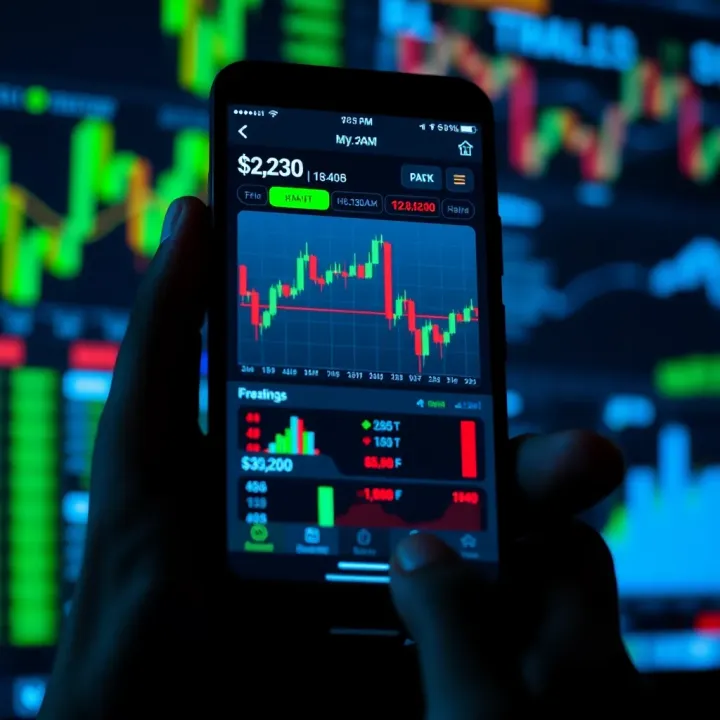
Discover how to pick the best trading app in Nigeria 🇳🇬 to earn money 💰. Learn tips, popular apps, risk management, and ways to boost your trading success 📈.
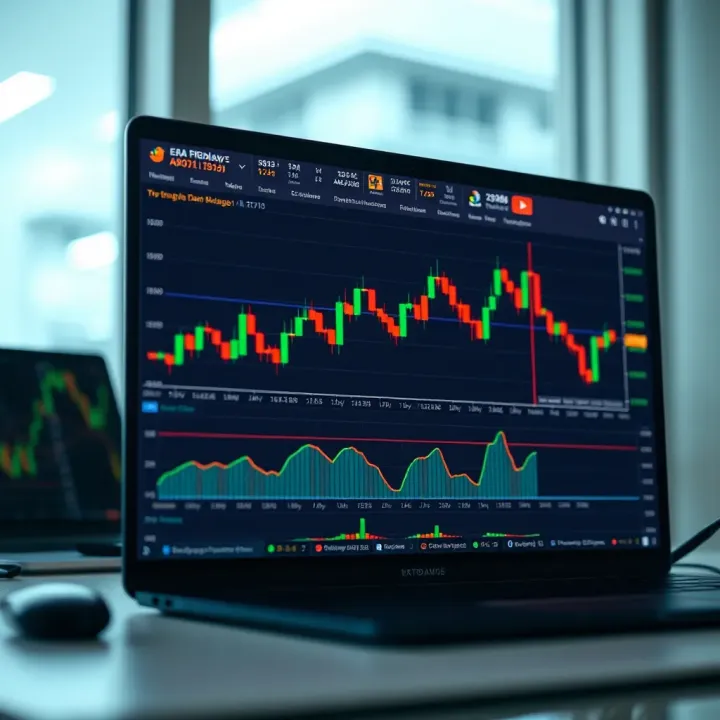
Discover how to pick the best trading platform in Nigeria 🇳🇬. Learn about key features, costs, security & regulations to trade with confidence 💹📊.
Based on 7 reviews