
Understanding IQ Option Trading for Nigerian Traders
📈 Learn how to trade on IQ Option smartly in Nigeria. Get steps for setup, spot risks, and trade wisely to protect your ₦. Practical tips for Nigerian traders inside!
Edited By
Oliver Wallace
Trading online has become a practical way for many Nigerians to grow their income, and IQ Option is one of the platforms gaining traction among traders here. This platform offers access to various financial assets including forex, cryptocurrencies, stocks, and options. But before you start clicking to buy or sell, understanding how IQ Option operates is key.
IQ Option is user-friendly, making it accessible for both beginners and seasoned traders. To get started, setting up an account is straightforward and takes just a few minutes. You'll need a valid email, phone number, and a method to verify your identity — this ensures compliance with local financial regulations.
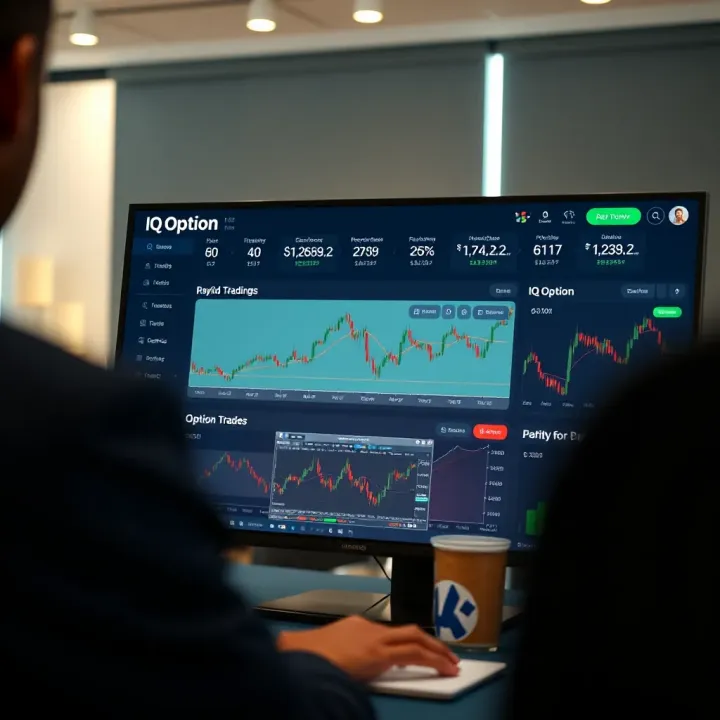
One thing that makes IQ Option popular in Nigeria is its support for multiple funding options. You can fund your account via local bank transfers, cards, or international e-wallets accepted on the platform. For example, many Nigerian traders use GTBank or Access Bank cards to deposit naira, which IQ Option then converts automatically to the trading currency on the platform. Withdrawals follow a similar path, although processing times may vary depending on the bank or service used.
Different types of trades are available, including binary options, digital options, and forex trades. Each comes with its own risk and profit structure. Binary options, for example, offer fixed returns but expire within a short time. Meanwhile, forex trading demands more patience and strategy but allows flexibility with trading volumes and time frames.
Remember, no matter how attractive the platform looks, trading carries risks. It’s crucial to understand your risk tolerance and invest money you can afford to lose.
For Nigerians, local considerations involve understanding how the naira’s fluctuations affect your trading balance and being aware of the Central Bank of Nigeria’s stance on forex and cross-border payments. Many traders find using dollar-pegged assets helpful to guard against naira volatility.
This guide will walk you through the detailed steps of setting up your IQ Option account, exploring trade types, and managing payments and withdrawals with Nigerian banking in mind. You'll also get practical tips tailored to our market realities to improve your chances of trading success.
Starting with a clear grasp of these basics is the best way to navigate IQ Option effectively and seize opportunities in Nigeria's digital trading scene.
Knowing IQ Option and its role in Nigeria’s trading sphere helps you navigate the platform with confidence. This understanding highlights how the platform fits into local investment options and what it offers beyond traditional trading avenues, especially for Nigerian investors looking to diversify or start trading online.
IQ Option is an online trading platform that gives access to a range of financial markets. For Nigerian users, the platform combines ease of use with a diverse selection of assets, making it attractive to both beginners and more experienced traders. It’s designed to work smoothly on mobile devices, which is crucial in Nigeria where many access the internet mainly via smartphones.
Regarding the assets, IQ Option offers trading in multiple categories: forex pairs, cryptocurrencies like Bitcoin and Ethereum, stocks from well-known companies, and commodities such as gold and oil. For example, a Nigerian trader interested in global markets can trade the USD/NGN forex pair or dabble in crude oil prices without leaving the platform. This variety provides opportunities to respond to market shifts and diversify your portfolio.
IQ Option also tailors its interface to Nigerian users. The platform supports the Nigerian Naira (₦) for deposits and withdrawals, reducing conversion hassle and fees. The user interface is straightforward, with clear charts and easy navigation designed to fit the typical usage patterns of Nigerians who may have variable data speeds. Features like local payment options, including cards and mobile wallets, ensure the platform is accessible despite varying banking setups.
IQ Option holds licences from recognised regulatory bodies such as the Cyprus Securities and Exchange Commission (CySEC) and the Financial Market Relations Regulation Centre (FMRRC) in Russia. These licences mean the platform complies with international standards for trading transparency and fairness. Although Nigeria’s Securities and Exchange Commission (SEC) doesn’t regulate IQ Option directly, these international licences show the platform follows some formal oversight rules.
On the safety front, IQ Option employs secure encryption protocols to protect user data and funds. It segregates client funds from company assets to avoid misuse. For instance, if the company faces financial troubles, Nigerian traders’ deposits remain protected as they are kept in separate accounts. This assures traders that their money is less vulnerable to platform failure or fraud.
However, trading on unregulated platforms can expose you to severe risks such as loss of funds without avenues for recovery, scams, and poor trade execution. Always check for licences and user reviews before committing your money.
Understanding these regulatory aspects helps you avoid falling prey to fake platforms posing as IQ Option or other brokers. Always verify the authenticity by checking regulatory listings and known review sites. This diligence ensures your trading stays secure and benefits from proper complaint and dispute mechanisms.
To maximise your trading success, start with a solid grasp of IQ Option’s offerings and its legal status. This knowledge forms the foundation for safe, effective trading tailored to Nigeria’s unique financial environment.
Setting up your IQ Option account correctly is foundational for seamless trading and financial transactions. For Nigerian traders, this comes with unique considerations such as compliance with local verification requirements, funding in naira, and understanding withdrawal mechanisms. Getting these steps right ensures you avoid hiccups that might delay trades or access to your profits.
Creating an account using Nigerian details involves providing your valid Nigerian phone number, email address, and legal name as it appears on government-issued identification. This information links your trading activity to your real identity, which IQ Option requires to comply with financial regulations. For example, using an incorrect phone number or fake email can cause problems when resetting passwords or receiving trade notifications.
Steps for submitting identification documents include uploading a valid Nigerian national ID card, International Passport, or Driver’s Licence during the verification stage. IQ Option also requests proof of address such as a recent utility bill or bank statement not older than three months. These documents confirm your residency and help prevent fraud. The platform typically processes verification within 24 to 72 hours, after which your account is fully active.
Why verification matters for funding and withdrawals: Without approval of your identity documents, you cannot deposit or withdraw funds freely. Verification safeguards both you and IQ Option, discouraging fraudulent charges or money laundering attempts. Additionally, verified accounts tend to have higher funding limits and smoother withdrawal processes, crucial when trading with significant sums.
Deposit methods available to Nigerians include Visa or MasterCard debit and credit cards, USSD banking codes, and popular mobile wallets such as OPay or PalmPay. These options provide flexibility especially given variable access to traditional bank services. To illustrate, a trader in Lagos might prefer USSD via their bank’s app for convenience, while someone else in Abuja could use a mobile wallet.
Handling currency conversion and associated fees is an important consideration since IQ Option operates mainly in USD and EUR. Deposits made in naira undergo currency conversion, which may attract charges and slightly affect the amount credited. Getting familiar with exchange rates and comparing costs on Paystack, Flutterwave, or bank portals before funding saves unnecessary expenses.
Limits and processing times to expect vary by method. Card payments generally process instantly but may have daily limits around ₦500,000. USSD and mobile wallet transactions might take a few minutes to hours, with transaction caps depending on your bank or wallet provider. Planning your funding around these constraints helps avoid delays when market opportunities arise.
Supported withdrawal channels for Nigerian traders include bank transfers to Nigerian banks, card refunds, and e-wallet withdrawals. Most users prefer bank transfers for convenience and security. For example, sending earnings directly to GTBank or Zenith Bank accounts is straightforward once the platform verifies your withdrawal details.
Typical withdrawal times and charges differ according to the channel. Direct bank transfers often take between 2 to 5 business days. IQ Option does not usually charge withdrawal fees, but your bank might deduct some charges. Being aware of these timelines helps in financial planning.
Tip: Always double-check your bank details before submitting a withdrawal request to prevent transaction failures.
Tips to avoid delays and issues include completing your profile fully before trading, ensuring your name and bank account details match exactly, and maintaining a verified status on the platform. Avoid making last-minute withdrawal requests during weekends or public holidays when banking operations slow down. It’s also wise to regularly communicate with IQ Option support if you notice unusual delays.
Getting your IQ Option account set up properly saves you time and stress. Nigerian traders who approach this with care have a smoother experience funding accounts, trading confidently, and withdrawing profits without unnecessary snags.
Understanding the core trading features and instruments on IQ Option is essential for Nigerian traders aiming to navigate this platform confidently. These features dictate the kind of trades you can execute, the level of risk involved, and how to manage your investiments effectively. IQ Option offers a diverse range of assets and instruments, making it suitable for different trading styles and objectives.
Binary options represent a fixed-return trade where you predict if an asset’s price will rise or fall within a set time frame. For Nigerian traders, this simplicity is appealing because it limits exposure — you either win a predetermined payout or lose your investment. For example, you might bet ₦5,000 that the price of EUR/USD will increase in the next 15 minutes. If correct, your payout is usually around 80%, meaning you’d earn ₦9,000 in total. However, binary options also carry high risks as market movements can be unpredictable.
Forex trading on IQ Option involves buying and selling currency pairs like USD/NGN or EUR/USD. Nigerian traders should pay close attention to the spread — the difference between the buy (ask) and sell (bid) prices — as it affects profitability. A tighter spread means lower trading costs. For instance, during active market hours, USD/NGN may have better spreads, making it more cost-effective. Forex trading demands understanding of macroeconomic factors, so staying updated on events affecting Nigeria's naira and global currencies adds an edge.
Cryptos like Bitcoin (BTC), Ethereum (ETH), and Ripple (XRP) are available on IQ Option. Nigerians appreciate crypto for its potential high volatility and profit opportunities. Yet, volatility can swing both ways quickly, making it necessary to combine sound analysis with cautious fund management. Trading crypto CFDs (Contracts for Difference) allows you to speculate on price changes without owning the crypto directly, which means no need for wallets or exchanges but comes with exposure to market risks.
IQ Option also offers CFDs on equities and commodities like gold and oil. This lets Nigerian traders diversify beyond currency and crypto markets. For instance, you could trade CFDs on MTN Nigeria or international shares like Apple. Commodities such as gold are popular hedge instruments in Nigeria during times of naira devaluation or inflation. CFDs enable traders to profit from price movements both up and down with leverage, but it's important to limit exposure as leverage magnifies both gains and losses.
IQ Option provides a suite of chart types—candlestick, line, and bar charts—plus technical indicators like Moving Average, Bollinger Bands, and Relative Strength Index (RSI). Nigerian traders, especially those using trend-based strategies, rely on these tools to spot entry and exit points. For example, spotting an RSI above 70 may signal an overbought asset, suggesting it's time to sell.
Market signals involve patterns or indicator values that hint at potential price movements. Learning to read these signals — such as support and resistance levels or candlestick formations — helps traders anticipate market shifts rather than react late. For example, a sustained breakout above a resistance level can indicate momentum, prompting traders to open positions ahead of wider market moves.
IQ Option supports automated trading through bots and algorithms, which can execute trades based on pre-set criteria. For Nigerian users, automated trading can help overcome emotional biases, but it requires proper setup and oversight. Using the demo account feature extensively lets you practise strategies and familiarise yourself with the interface without risking real money. This familiarisation is critical given the volatile nature of markets and local challenges like internet interruptions.
Knowing how to leverage IQ Option's core features and instruments can significantly improve your trading success and risk control in Nigeria's dynamic financial environment.
For Nigerian traders on IQ Option, adopting smart trading approaches is vital to navigating both the platform and Nigeria's unique economic environment effectively. These strategies help maximise profits while minimising losses, offering a structured path amidst market volatility. By understanding and applying proven methods, you can trade with greater confidence and reduce the risk of costly mistakes.
Trend following means recognising and going with the prevailing market direction. For example, if the Nigerian naira is weakening against the US dollar, following that trend with forex trades can be profitable. Breakout strategies involve spotting when an asset’s price pushes through resistance or support levels—say, a stock breaking above recent highs—indicating a strong price movement. IQ Option's chart tools let you spot these moments, enabling timely entries and exits. As markets can shift rapidly, especially during NAIRA volatility, these strategies keep you aligned with price momentum instead of betting against it.
Trading successfully is about balancing potential rewards against possible losses. A sensible risk-reward ratio ensures that a single loss doesn't wipe out several gains. For instance, risking ₦1,000 to make ₦2,000 (a 1:2 ratio) can build profits steadily without reckless losses. Equally, strict money management—like limiting total daily loss to a small percentage of your capital—guards your trading wallet from Nigeria's economic unpredictability. Many traders overlook this and chase larger returns, which often leads to burnout or blown accounts. Proper money management keeps you in the game longer.
Demo accounts on IQ Option allow you to test strategies without risking real naira. This sandbox environment helps you familiarise yourself with various assets and tools under live market conditions. For Nigerian traders, this is especially useful given the challenges of naira fluctuations and local payment nuances. Practise sharpens decision-making and builds discipline crucial for live trading. Using the demo account extensively before moving to real funds can save you from early losses and boost confidence.
The naira often swings in value, influenced by factors like oil prices and foreign exchange policies. For Nigerian traders, these movements affect both the cost of funding your IQ Option account and the real value of your profits. Rising inflation erodes purchasing power, meaning ₦10,000 today might buy less next month. It’s essential to factor in these elements when planning trades or withdrawals. Diversifying assets, including trading stable instruments or cryptocurrencies, can also help manage this risk.
Stop-loss orders automatically close a trade at a set loss percentage, limiting damage when markets go against you. Conversely, take-profit points secure gains once a target is reached. Nigerian traders should set these levels thoughtfully, based on market volatility and asset type rather than impulse. For example, volatile crypto requires wider stop-loss margins than relatively stable stocks. Discipline in using these tools prevents emotional decisions and safeguards your trading capital against sudden market downturns.
The economic uncertainties in Nigeria sometimes make traders desperate to recover losses quickly, leading to emotional decisions. Such impulsiveness can trigger bigger losses. Maintaining a calm, rule-based approach is key. Also, be wary of scams masquerading as legitimate brokers promising huge returns with little risk. Always verify IQ Option communications, and avoid unofficial third-party offers. Rely on verified payment channels and support services to protect your funds and personal data.
Staying disciplined with effective strategies while adapting to Nigeria’s economic realities is the best way to make IQ Option work for you. Practice patience, manage risks wisely, and keep your eyes open for both opportunity and threats.
Trading on IQ Option in Nigeria is promising but comes with unique challenges that can impact profits and experience. Knowing these obstacles and practical ways to manage them keeps you ahead, especially in a market where network issues, regulatory limits, and fraud risks are common.
Network instability often frustrates traders. A weak or fluctuating internet connection can cause delays in order execution, leading to missed opportunities or wrong trade entries. For example, during peak hours or in rural areas, you might find the platform lagging or disconnecting just as you intend to close a position. This interference directly affects your ability to respond quickly to market moves.
To combat this, many traders rely on mobile data plans from providers like MTN or Glo, which tend to perform better in certain locations than fixed broadband. It’s wise to have a secondary internet source—for instance, hotspotting from a phone when your home wifi falters. Backup options keep you trading and lessen downtime when networks drop.
Power outages are another headache, especially in states without reliable electricity. Using a power bank or an inverter with a charged battery can keep your devices running during blackouts. Also, some Nigerians keep a generator ready, despite fuel costs, particularly in ember months when outages peak. Planning your trading schedule for periods when power is stable improves focus and consistency.
Local banking restrictions often slow down withdrawals. Some banks impose limits on international transactions or flag such transfers for extra checks, causing delays of up to several days. For Nigerian traders, knowing which banks have smoother processes for forex or online trading withdrawals is key. For instance, banks like GTBank and Zenith generally have better reputations on this front.
Verification is just as vital. Incorrect or incomplete KYC (Know Your Customer) details can cause hold-ups when withdrawing gains. Ensure your account names, BVN (Bank Verification Number), and other ID documents are consistent with what you submitted during registration. Errors here trigger costly and avoidable delays.
When problems arise, prompt and clear communication with IQ Option support makes a big difference. Nigerians often face language or time zone barriers, so brief, polite messages with all necessary details get faster responses. Keeping records of all interactions also helps escalate issues if needed.
With more Nigerians trying online trading, fake brokers have become a serious risk. Always check a platform’s licensing status with recognised bodies like the Securities and Exchange Commission (SEC) Nigeria. Reviews and community feedback from trusted sources also reveal red flags.
Common scam signals include promises of guaranteed profits, unrealistically high returns, pressure to deposit quickly, or strange withdrawal conditions. If a service demands payments outside usual channels or insists on secrecy, it is likely a scam.
If you suspect fraud, report the broker to agencies such as the EFCC (Economic and Financial Crimes Commission) and inform IQ Option’s official channels. Protect yourself by using official apps or websites only and never sharing your account credentials. Staying alert prevents losses that can easily wipe out gains.
Understanding these challenges and handling them smartly ensures your trading on IQ Option stays secure and productive, despite the hurdles that some Nigerian traders face.
📈 Learn how to trade on IQ Option smartly in Nigeria. Get steps for setup, spot risks, and trade wisely to protect your ₦. Practical tips for Nigerian traders inside!
Learn forex trading fundamentals and strategies 🇳🇬 with a clear PDF guide designed for Nigerian traders. Manage risks, boost skills, and trade confidently in Nigeria’s market 💹
Discover how Nigerians trade online with confidence 💻. Learn safe payment methods, top platforms, and how to navigate local challenges for success in ₦ markets.

📈 Master crypto trading in Nigeria with this practical guide! Learn market basics, risk control, and how to handle naira swings and regulations confidently.
Based on 5 reviews