
Best Trading Apps in Nigeria: A Practical Guide
Discover how to pick the best trading app in Nigeria 🇳🇬 with our practical guide covering features, security, costs, and top user-friendly platforms 📱💼
Edited By
Amelia Clarke
Trading online has grown rapidly in Nigeria, reshaping how many Nigerians buy and sell goods. From bustling markets in Lagos to small towns in the north, online trade cuts across all levels of society. It allows sellers to reach buyers far beyond their immediate environment while giving buyers access to more competitive prices.
Online platforms like Jumia, Konga, and local social media marketplaces serve as common hubs for trading everything from electronics and fashion to agroproducts and auto parts. These platforms handle large volumes daily, reflecting Nigeria’s rising internet penetration and mobile phone usage.
Successfully trading online requires understanding the local context — challenges such as fluctuating naira currency value, limited trust in digital payments, and infrastructural issues like inconsistent power supply to internet speed. Without proper know-how, traders risk losing money or falling into scams.
Generally, the essentials of trading online include:
Selecting the right platform tailored to your product and target audience
Using secure payment methods like bank transfers with Bank Verification Number (BVN) verification, reputable fintech wallets such as OPay and Paystack, or cash on delivery where trust is low
Ensuring clear product descriptions, photos, and transparent pricing to build buyer confidence
Planning logistics carefully, including delivery options from courier services to local motorbike riders (okada) for last-mile delivery
It’s important for traders to note that buyers in Nigeria are very price-sensitive but also value authenticity. For instance, many prefer buying tokunbo electronics after seeing detailed demonstrations or receiving trusted referrals.
This guide will take you through practical ways to trade online in Nigeria, pointing out reliable platforms, payment safeguards, and how to navigate challenges specific to our local markets. Whether you’re a startup entrepreneur, an established business looking to expand, or an investor analysing trading trends, the following sections aim to equip you with usable insights towards profitable online trade.
Online trading in Nigeria has grown well beyond just buying and selling; it now forms an integral part of the economy, especially for small and medium enterprises. Knowledge of how this sector operates helps traders and entrepreneurs tap into vast opportunities without the usual bottlenecks of traditional trade. For instance, a Lagos-based clothing seller can now reach customers in Port Harcourt or even outside Nigeria through online platforms.
Definition and basic concept: Online trading refers to the process of buying and selling goods or services over the internet. Unlike traditional markets where physical presence is required, online trading allows transactions via websites, apps, or social media channels. This means sellers and buyers do not have to be in the same location, offering more flexibility and reach.
Popular types of online trade: In Nigeria, you typically find two broad categories: B2C (business to consumer) and C2C (consumer to consumer). E-commerce marketplaces like Jumia or Konga are examples of B2C, where businesses offer their products to individual buyers. On the other hand, platforms such as Facebook Marketplace or WhatsApp groups serve more of C2C trading, where individuals sell directly to one another, often informally.
Access to national and international markets: Online trading breaks geographical barriers. A farmer in Ondo can sell fresh produce to buyers in Abuja or even export dried goods abroad without the cost and delay of physical travel. Similarly, Nigerian artisans can showcase their crafts to global buyers, increasing sales potential significantly.
Cost savings compared to traditional trade: Running a physical shop involves rent, electricity, security, and staff costs which can run into hundreds of thousands of naira monthly. Online traders often save on many of these overheads. Although some fees apply for delivery and platform charges, they often remain far lower than traditional store expenses.
Ease of comparing products and prices: Nigerians can quickly scan several sellers for the same product and spot the best offer with minimal effort. For example, browsing smartphones on Jumia or Konga lets buyers evaluate specifications, prices, and reviews side by side before committing. This transparency helps customers make better decisions and forces sellers to stay competitive.
Understanding the nuts and bolts of online trading equips Nigerian traders with practical tools to expand their business reach, reduce costs, and offer competitive pricing—essential factors for survival and growth in today's market.
This knowledge is not just for sellers; buyers benefit by making safer and more informed choices, enabling confident spending in a sometimes tricky market environment.
Online trading in Nigeria thrives on diverse platforms tailored to different needs. Understanding these platforms helps traders reach wider audiences, optimise sales, and avoid common pitfalls. This section explores the main platforms Nigerians use to trade goods and services online, highlighting their practical benefits and drawing attention to key points to consider.
Jumia and Konga are the two giants dominating Nigeria’s e-commerce scene. Jumia, often called Nigeria's Amazon counterpart, offers an extensive product range from electronics to fashion. It attracts millions of buyers nationally and across West Africa, providing sellers with an established customer base and trusted payment options like Jumia Pay. Konga, known for competitive pricing and reliable delivery services, appeals to buyers seeking affordability without compromising quality. Both platforms handle logistics, dispute resolution, and offer seller support, making them ideal for traders looking to scale beyond local markets.
However, sellers must factor in platform fees and competition, which may affect margins. Building a strong product listing with clear images and honest descriptions helps stand out on these marketplaces.
Emerging local platforms such as PayPorte and Kara Nigeria are gaining ground by focusing on niche markets or specific product categories like fashion and electronics. These platforms often provide more personalised seller support and cater to buyers looking for a unique selection not always found on the major sites. For example, PayPorte has been popular among young Nigerians for trendy clothing collections, while Kara Nigeria appeals to those seeking affordable home appliances.
These emerging platforms are valuable for traders wanting less saturated spaces or aiming to build closer customer relationships. However, they might have fewer buyers and less advanced payment infrastructure compared to established giants.
Facebook Marketplace has become a vital selling hub for many Nigerians. Its accessibility on mobile devices and integration with personal profiles allows both individuals and businesses to advertise products locally or nationally. Facebook's user base in Nigeria runs into millions, offering significant reach without platform fees. Yet, buyers and sellers must exercise caution, verifying contacts and avoiding upfront payments outside secure processes.
Instagram sellers leverage visually appealing product photos and stories to engage audiences, especially in fashion, beauty, and artisan crafts. Influencers and small businesses use Instagram Shops integration to facilitate direct purchases, although payments often still happen via mobile money or bank transfers. Instagram is highly effective for sellers with strong branding and the ability to create lifestyle content that resonates with Nigerian consumers.
WhatsApp trading groups remain one of the most popular informal channels for online trade. Group members share product offers, discuss prices, and coordinate payments with ease. The platform's widespread smartphone usage and simple interface make it an excellent tool for local markets and quick sales, especially for smaller or second-hand items. Sellers benefit from direct communication with buyers, fostering trust, but must be wary of scams and maintain clear transaction records.
Tip: When trading on social media or WhatsApp groups, always confirm the buyer's or seller's identity and opt for payment methods that offer some buyer or seller protection.
In summary, Nigeria’s online trade ecosystem balances formal marketplaces with social media and informal channels. Each platform offers distinct advantages and challenges, and savvy traders often combine several platforms to maximise visibility and sales success.
Trading online in Nigeria opens up plenty of opportunities but also comes with risks, especially around fraud and scams. Safeguards and best practices serve as a vital shield to protect your money and reputation. They help traders establish trust and maintain smooth transactions. For example, verifying your buyer or seller before closing a deal can save you from losing ₦50,000 or more to fake vendors.
Checking IDs and reviews is one of the simplest yet effective ways to verify a party’s authenticity. Before engaging, ask for valid identification like a National ID card, driver’s licence, or voter’s card. Sellers on platforms such as Jumia or Konga usually have reviews from previous buyers. Checking such feedback helps you gauge reliability. If a seller consistently gets poor reviews or has none at all, be wary — it’s a red flag. Similarly, buyers with verified profiles or repeat positive transactions are generally safer to deal with.
Using secure communication channels is another practical step. Avoid discussing deals on public forums or personal social media where data can easily leak. Instead, use platform-provided messaging tools or encrypted apps like Telegram or Signal. These channels keep your conversations private and offer some protection against impostors. For example, WhatsApp is highly popular in Nigeria but can be vulnerable if you’re added to groups with unknown persons. Always confirm directly with the person you are dealing with and avoid sharing sensitive information like bank details casually.
Scams online in Nigeria can take many forms, from the classic ‘advance fee fraud’ where someone demands payment before delivery, to subtle price manipulation and fake product listings. A common scam is the seller offering a popular gadget at a price too good to be true, only to disappear after getting payment. Another is buyers sending fake payment notifications to trick sellers and collect goods without paying.
To protect your money and data, always insist on verification before committing financially. Use reliable payment methods such as direct bank transfers through BVN-verified accounts or fintech wallets like OPay and PalmPay that offer buyer protection features. Avoid sharing full bank details or OTPs with strangers under any circumstances. It’s also useful to keep transaction records and screenshots. If a deal doesn’t feel right, trust your instinct and walk away. Remember, losing ₦10,000 to a scammer is avoidable if you stay alert and verify properly.
Always prioritise verification and use secure payment and communication methods to minimise risks in online trading.
Following these best practices will help Nigerian traders build trust, avoid losses, and have a smoother experience in the bustling online marketplace landscape.
Navigating payments and deliveries well is fundamental to successful online trading in Nigeria. Efficient payment methods ensure smooth transactions, while reliable delivery services guarantee products reach buyers promptly and intact. Both elements build trust between traders and customers, helping online ventures thrive in a market where convenience and security matter greatly.
Bank transfers and USSD codes are still widely used for online trading payments across Nigeria. Many traders prefer straightforward bank transfers due to their ubiquity and security. For buyers without smartphone apps, USSD codes provide an accessible alternative; dialing simple codes on basic phones can complete payments without internet access. This method suits rural buyers or less tech-savvy customers, making it a practical choice for wider reach.
Mobile money and fintech wallets like OPay and PalmPay have revolutionised how Nigerians pay online. These wallets offer fast, cashless transactions and often integrate with other services like airtime top-up or bill payments. For example, OPay allows users to transfer money instantly and even pay small businesses directly. Such fintech options lower barriers for both sellers and buyers, especially youths and informal traders who might not have bank accounts but own smartphones.
POS terminals and card payments remain crucial for sellers who want to bridge offline and online sales. Many customers still prefer paying with debit or credit cards, especially when picking up items in person or at physical outlets. POS machines now link to digital platforms allowing seamless payments. This versatility helps traders build more trust since card payments offer recourse through banks in case of disputes.
Using Nigerian courier companies is essential for physically delivering goods bought online. Services like GIG Logistics, DHL Nigeria, and Aramex cover most major cities and even smaller towns. These companies understand local logistics challenges better than foreign couriers, often ensuring quicker deliveries despite traffic jams or power outages. Selecting a courier with good reputation and tracking capabilities improves customer confidence.
To guarantee safe and timely delivery, traders should follow key tips. These include properly packaging goods to withstand rough handling, providing accurate delivery addresses, and promptly updating customers with tracking information. It’s wise to avoid over-promising delivery times since traffic and weather can cause delays. Offering options for delivery speed can also help customers choose what suits them.
Handling returns and complaints effectively is part of maintaining a positive reputation. Traders should clearly communicate return policies and provide easy ways for customers to report issues. For instance, some platforms integrate return requests, while others use WhatsApp or email support. Prompt response to complaints and fair resolution help prevent negative reviews and encourage repeat business.
Smooth payment and delivery experiences not only make transactions successful but also build lasting trust, which is the backbone of online trade growth in Nigeria.
By choosing suitable payment channels and partnering with reliable couriers, Nigerian traders can elevate their service and expand their reach confidently.
Trading online in Nigeria offers vast opportunities but comes with unique challenges that can affect your success. Addressing these hurdles helps you build a resilient business and stay competitive, especially as local factors like infrastructure and regulations play a big role.
Reliable internet remains a stumbling block for many, particularly traders operating outside major cities. In rural or semi-urban areas, network stability tends to waver—frequent disruptions and slow speeds make timely communication and transaction processing tough. For example, a trader in Ondo State might struggle with consistent connectivity, delaying order confirmations or payments.
On the flip side, affordable smartphones have improved access significantly. Brands like Infinix, Tecno, and Itel provide budget-friendly options with decent performance, making it easier for small traders to participate in online marketplaces without heavy investment. Using these phones, traders can access platforms like Jumia, Konga, or even WhatsApp groups for sales.
The cost of running generators due to erratic power supply hits many online traders hard. Fuel prices have been rising steadily, with some spending as much as ₦20,000 monthly just to keep their businesses powered during outages. This expense eats into profit margins and adds pressure to keep prices competitive.
To manage this, savvy traders monitor fuel consumption closely and opt for energy-saving devices such as LED lamps and efficient chargers. Others look for digital payment tools that operate with minimal power or use internet cafes strategically to reduce personal electricity bills. Tight control over operating costs is key to sustaining the business long term.
Nigerian tax laws require online traders earning above certain thresholds to register and remit taxes to the Federal Inland Revenue Service (FIRS). However, many small sellers still overlook this, risking penalties. Understanding VAT obligations and income tax requirements is essential as the government deepens digital taxation.
Besides taxes, registering a business officially and obtaining necessary licences can legitimize your online venture and build trust with buyers. Registering with the Corporate Affairs Commission (CAC) opens doors to formal contracts and loans. While registration can feel like a hassle, it prevents future legal headaches and supports access to financial services.
Managing Nigeria-specific challenges like power, internet access, and regulations ensures your online trading business stays sustainable and trustworthy, allowing you to focus on growth instead of firefighting everyday problems.
By actively addressing these issues, you not only avoid pitfalls but also position your trading venture for steady success even amid Nigeria’s sometimes difficult business environment.
Discover how to pick the best trading app in Nigeria 🇳🇬 with our practical guide covering features, security, costs, and top user-friendly platforms 📱💼
Discover how to choose the best online trading platform in Nigeria 🇳🇬 by comparing features, security, fees, asset options, and user experience for smart trading.
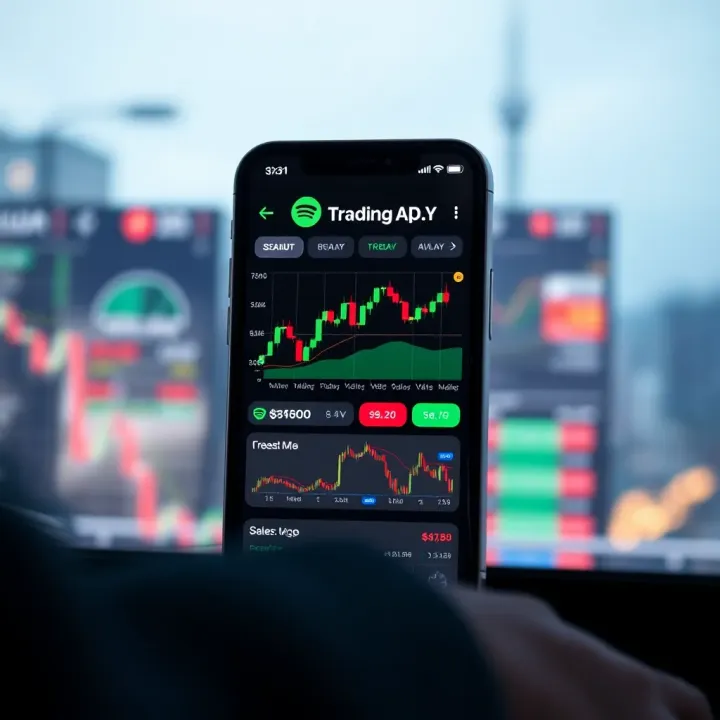
Looking for the best online trading app in Nigeria? Discover key features, security tips, fees, ease of use, and reliable support to trade confidently 📱💹

Discover how copy trading works, its benefits & risks, plus tips for Nigerian investors 🇳🇬 to start smart & choose the right platforms. 📈💡
Based on 7 reviews