

Crypto Trading Guide for Nigerian Traders
📈 Master crypto trading in Nigeria with this practical guide! Learn market basics, risk control, and how to handle naira swings and regulations confidently.
Edited By
Thomas Grant
Coin trading has caught the attention of many Nigerian investors looking to grow their wealth beyond traditional avenues like stocks and real estate. At its core, coin trading involves buying and selling cryptocurrency coins such as Bitcoin, Ethereum, and several altcoins to capitalise on their price movements. Unlike holding crypto as a long-term investment (HODLing), trading tends to focus on short- to medium-term price fluctuations.
Understanding how coin trading works is key. Most Nigerians access this market through platforms like Binance, Quidax, or Luno, where they can trade crypto using naira via bank transfers, USSD, or card payments. Transactions happen 24/7, making it quite different from the NSE or NGX where trading hours are fixed. This round-the-clock nature provides flexibility but demands vigilance.
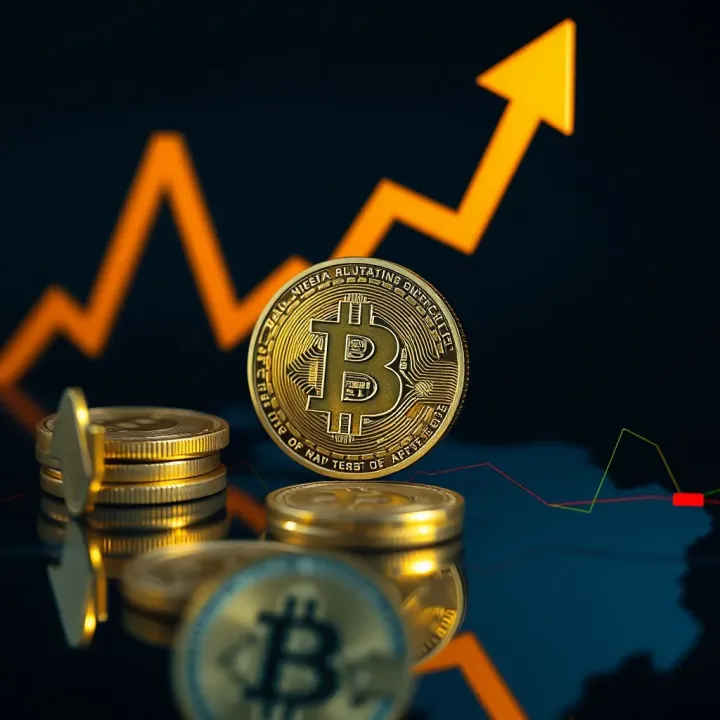
The process revolves around predicting price changes—traders buy coins at a lower price and sell when the price ticks up. For instance, if you buy 0.5 Bitcoin at ₦14 million and sell it next day at ₦14.5 million, you make a profit of ₦250,000 excluding fees. Simple, but it requires careful timing and market knowledge to avoid losses.
Coin prices reflect factors like global demand, regulatory news, technological advancements, and local sentiment. In Nigeria, external pressures such as CBN directives on crypto, naira exchange rate swings, and power outages that affect internet access also play a role. Familiarity with these influences helps investors make informed decisions.
Trading cryptocurrency isn’t a guaranteed route to profit; it carries risks like market volatility, scams, and exchange failures. Awareness and preparedness remain the best defence.
To start, Nigerians usually need a verified account on a reputable exchange, some initial capital in naira, and willingness to monitor market trends. Useful skills include analysing price charts, understanding order books, and keeping up with crypto news from sources like Binance research or CoinDesk.
In summary, coin trading offers a practical way for Nigerian investors to tap into a growing market, but success depends on knowledge, timing, and disciplined risk management. This guide will walk you through the essentials to help you trade smarter and safer.
Understanding the basics of coin trading lays the foundation necessary for Nigerian investors to navigate the world of cryptocurrency confidently. Grasping what coins are, how they differ from tokens, and how trading operates gives you practical tools to make informed decisions and avoid common pitfalls.
Cryptocurrency coins are digital forms of money secured by cryptography and powered by blockchain technology. Unlike physical coins, these exist purely online and serve as both currency and store of value. Bitcoin (BTC) and Ethereum (ETH) are classic examples, widely traded in Nigeria. Knowing their nature helps you understand what you actually buy and sell on exchanges.
Coins operate on their independent blockchain and primarily serve as money or value transfer. Tokens, however, are built on existing blockchains like Ethereum and often represent assets or utilities within a project. For instance, USDT (a stablecoin) is a token on the Ethereum network. This difference affects trading strategies since tokens can reflect project success or failure beyond price fluctuations.
Unlike stocks, which represent ownership in a company and are traded on regulated exchanges like the Nigerian Stock Exchange (NGX), cryptocurrency coins trade on global, often unregulated platforms open 24/7. Price swings in coin trading tend to be sharper and faster. Also, trading coins requires understanding digital wallets and private keys, unlike brokerage accounts used in stock trading.
Trading coins usually happens on cryptocurrency exchanges, digital platforms where buyers and sellers meet. In Nigeria, platforms like Binance and Luno allow users to deposit naira and buy coins directly or via peer-to-peer options. The buying process involves selecting the coin, entering the amount, and confirming the trade, often with options for instant or scheduled transactions.
A cryptocurrency wallet stores the digital keys required to access your coins. Private keys are like secret passwords that guarantee ownership. Losing your private key means losing access to your coins, which makes securing wallets a priority. Wallets come in different forms: software apps for everyday use or hardware devices for stronger security.
Market orders execute immediately at the current price, suitable for quick trades. Limit orders set the price you’re willing to buy or sell at, helping manage costs but may not fill immediately. Stop orders trigger a trade when a specific price is reached, useful for limiting losses or locking in profits. Nigerian traders can use these tools on platforms like Quidax for better control over trading outcomes.
Mastering these basics helps Nigerian investors approach coin trading with clear expectations and avoid common risks tied to market volatility, security breaches, or poor timing. The practical edge comes from knowing exactly what you buy, where your coins are stored, and how your trades will be executed.
Before diving into coin trading, it's necessary to understand which cryptocurrencies are popular in Nigeria and what platforms suit local traders best. Being aware of these helps you steer through the market efficiently, avoid unnecessary risks, and tap opportunities tailored to the local ecosystem.

Bitcoin (BTC) and Ethereum (ETH) are the heavyweights in Nigeria’s crypto space. Bitcoin is widely accepted as a store of value and a hedge against naira's volatility. Many Nigerians use BTC for cross-border transfers or as a digital savings instrument. Ethereum, on the other hand, powers decentralised applications and smart contracts, giving it a practical edge for tech-savvy traders and entrepreneurs. Knowing their price movements offers a useful benchmark for overall market trends.
Stablecoins popular for trading like USDT (Tether) and USDC provide stability amid volatile coin prices. These coins are pegged to the US dollar, helping traders avoid sharp losses during sudden market dips. For instance, savvy Nigerians often convert profits from BTC or altcoins to a stablecoin to protect their capital before moving back into riskier assets. This strategy is especially relevant given the frequent naira exchange rate fluctuations against hard currencies.
Local cryptocurrency projects have also gained traction, reflecting Nigeria’s growing fintech innovation. Projects like NairaX and Dakicoin aim to provide more accessible payment solutions or community-focused tokens. While these coins may carry higher risk, they provide chances for early investors to benefit from Nigeria-specific use cases. Nonetheless, due diligence is crucial since many local projects are still in their infancy.
Nigerian-friendly platforms like Binance, Luno, and Quidax cater well to local traders by supporting naira deposits and withdrawals with lower fees. Binance, for example, offers a broad asset range and P2P trading, making it popular for all levels. Luno provides a user-friendly interface suited for beginners entering the crypto space. Quidax focuses on seamless bridging between fiat and crypto. Using these platforms means you get faster, safer transactions tuned to Nigerian banking realities.
Peer-to-peer (P2P) trading options have become a lifeline for many Nigerians dealing with banking restrictions or seeking better prices. Platforms like Binance P2P and Paxful enable individuals to trade directly with one another, choosing their preferred payment methods like bank transfer, USSD, or even cash. This method brings flexibility, allowing traders to negotiate better rates and payment terms, but it requires caution against scam risks.
Mobile apps and USSD services increase accessibility beyond smartphone users with constant internet access. Apps from platforms like OPay and PalmPay have integrated crypto wallets, allowing users to buy, sell, and track coins easily. Additionally, USSD-based services let mobile phone users transact with minimal data or smartphone capabilities—a key advantage for traders in rural areas or those without steady broadband.
To succeed in coin trading, understanding popular coins alongside reliable Nigerian-friendly platforms makes all the difference. It helps navigate market quirks, safeguard your investments, and make the most of trading opportunities adapted to local challenges.
By focusing on these elements, Nigerian investors can trade confidently, knowing their assets are accessible and well-supported both on and off the platform.
Investing in cryptocurrency coins offers exciting opportunities but comes with notable risks, especially for Nigerian traders navigating a unique market landscape. Understanding these risks helps you prepare and avoid costly mistakes. In this section, we focus on three critical areas: market volatility, security threats, and regulatory challenges.
Cryptocurrency markets are known for swift price swings, much more so than traditional equities. Prices can shift due to a mix of global factors like geopolitical tensions, major exchange hacks, or sudden changes in investor sentiment. For instance, announcements from US or Chinese regulators often send ripple effects across crypto markets worldwide, instantly affecting prices. Locally, spikes in demand driven by naira scarcity or changes in payment gateway availability on Nigerian platforms can trigger sudden price jumps or drops.
The naira’s exchange rate plays a big role in determining the effective cost of coins for Nigerian investors. Since most cryptocurrencies are priced in US dollars or another strong currency, naira depreciation means you’ll need more local currency to buy the same amount of crypto. For example, if the naira weakens from ₦460/$ to ₦500/$, the cost of Bitcoin or Ethereum on Nigerian exchanges tends to rise correspondingly. Traders must watch forex trends closely; ignoring naira fluctuations can lead to unexpected losses even when the coin price appears stable in foreign currency terms.
Crypto fraud remains a significant threat in Nigeria. Scams often come as fake investment schemes promising guaranteed returns or phishing attacks that trick users into revealing private keys. Some fraudsters pose as platform agents offering 'discounts' or 'insider deals' on popular coins. For example, the repeated rise of Ponzi schemes under various names has snared many unsuspecting traders seeking quick gains. Nigerian traders must stay alert, verify all sources, and avoid offers that sound too good to be true.
Protecting your investment calls for strong security practices. Using wallets that allow you to control private keys is essential — custodial wallets, while convenient, expose you to third-party risks. Hardware wallets or reputable software wallets with encryption provide better safeguards. Equally important is enabling two-factor authentication (2FA) on your trading accounts and wallets. This extra step blocks hackers even if your password is leaked. Neglecting 2FA has led to severally reported hacks across Nigerian traders’ accounts, sometimes resulting in irreversible losses.
The Central Bank of Nigeria (CBN) has issued directives limiting banks’ dealings with cryptocurrency exchanges since 2021. This restricts direct naira-crypto transactions through formal banking channels but hasn’t stopped peer-to-peer (P2P) trading. The outcome is a more fragmented market where Nigerians rely on informal channels or alternative payment methods, sometimes at higher costs and risks.
Regulations influence where and how you can trade. Exchanges operating in Nigeria must navigate CBN constraints, affecting liquidity and ease of fund movement. Traders might face delays or additional charges when funding their accounts or withdrawing earnings. Moreover, potential future regulation changes might alter market dynamics sharply, so staying flexible is key.
To protect your investments, keep up with regulatory updates from bodies like CBN and the Securities and Exchange Commission (SEC) Nigeria. Joining local crypto communities and following trusted news sources can help you understand new rules and comply with reporting requirements. Staying informed prevents legal hiccups and helps adapt your trading strategy to the evolving environment.
Remember: Coin trading in Nigeria demands vigilance—not just market savvy but also strong security and regulatory awareness. Taking risks lightly can drain your wallet before profits arrive.
Successful coin trading requires more than luck; it demands clear strategies and practical tips tailored especially for Nigerian investors. Navigating the volatility of crypto markets combined with local challenges like naira liquidity and fluctuating regulations means having solid methods in place helps protect your investments and maximise gains.
Reading charts and price trends is the frontline skill for any trader. By examining price movements over days or weeks, you can spot patterns—like upward trends or sudden drops—that suggest when to buy or sell. For instance, if Bitcoin shows consistent higher lows on its chart, it might hint at growing demand, signalling a good buying window.
Analysing project fundamentals goes beyond charts; it involves understanding the underlying value and potential of a cryptocurrency. Look at factors like the team behind the coin, its use cases, partnerships, and community support. For example, a project addressing real-world problems in Nigeria’s agriculture sector holds practical promise compared to a coin with vague objectives.
Setting stop-loss orders is essential to cap potential losses. You tell your trading platform to sell your coin automatically if its price dips below a certain level. This protects you from drastic downturns, especially important in Nigeria where sudden naira shifts can influence prices sharply.
Diversifying your coin portfolio spreads risk across different assets. Don’t put all your money into Bitcoin alone; mix in stablecoins like USDT or NGN-pegged tokens and promising altcoins. This means a drop in one coin won't wipe out your entire investment.
Limiting investment size per trade also controls risk exposure. Never invest your whole capital in one trade. For example, committing just 10-20% of your available funds per coin reduces the chance of severe loss if a trade goes against you.
Handling naira liquidity and payment channels is a daily reality for Nigerian traders. Due to frequent CBN policies or forex scarcity, sometimes it's tricky to fund your account or withdraw proceeds promptly. Using platforms offering multiple payment options—bank transfers, USSD codes, or mobile money—can ease these challenges.
Timing trades around ember months and festive seasons can also influence your profits. Historically, Nigerian markets see liquidity dips from September to December, when spending on events like Sallah or Christmas rises. Waiting till after these periods often provides better trading conditions and less price volatility.
Smart trading combines global strategies with local realities; understanding both boosts your chances for ₦-wise decisions and sustainable profits.
Coin trading demands more than intuition; it requires solid tools and reliable resources to navigate the fast-moving crypto market effectively. Nigerian investors especially benefit from mobile apps that cater to local payment systems and provide timely market data. Beyond this, educational platforms and vibrant communities keep traders informed and connected to the latest developments domestically.
User-friendly apps for trading and portfolio tracking are essential for Nigerian traders who often juggle busy schedules and need quick access to their investments. Platforms like Binance and Luno offer straightforward interfaces that support naira deposits via bank transfers or mobile wallets, facilitating smooth buying and selling of cryptocurrencies. These apps also provide portfolio tracking features that let users monitor coin performance at a glance, helping them make prompt decisions amid volatile prices.
Notifications and alert services play a critical role in keeping traders ahead of sudden market movements. Apps like Quidax and OPay include real-time alerts for price changes, deposit confirmations, and trade executions. This feature is particularly valuable during ember months or volatile periods when naira liquidity fluctuates. Getting instant push notifications can prevent missed opportunities or help limit losses when prices dip unexpectedly.
Online courses and tutorials offer a practical entry point for Nigerian traders eager to build foundational knowledge. Websites like Coursera or dedicated Nigerian crypto academies provide lessons on technical analysis, blockchain technology, and trading psychology. Nigerian-specific content often covers how to integrate popular payment methods and comply with local regulations, saving traders time and frustration.
Local crypto groups and forums foster negotiation and knowledge sharing among Nigerian investors. Telegram groups and WhatsApp communities centred on crypto trading provide firsthand tips, warning signals about scams, and updates about changes in CBN policies. These forums create a trusted space where members can validate strategies and discuss market trends that impact the Nigerian naira and crypto prices.
Trusted news sources on Nigerian crypto developments ensure traders stay informed about regulatory adjustments, exchange launchings, and major industry movements. Platforms like TechCabal and Nairametrics provide credible reporting on changes affecting the CBN, SEC regulations, and emerging local tokens. Having access to accurate news reduces the risk of reacting to rumours, making it easier to plan trades and manage portfolios smartly.
Leveraging the right apps and community resources equips Nigerian traders with the tools to manage risks and capitalise on the unique dynamics of their market effectively.
By integrating these tools and resources, Nigerian crypto investors enhance their chances of trading successfully while navigating local challenges like fluctuating naira liquidity and regulatory shifts.
📈 Master crypto trading in Nigeria with this practical guide! Learn market basics, risk control, and how to handle naira swings and regulations confidently.
Explore top online trading tips for Nigerians 🇳🇬. Learn how to pick reliable platforms, manage risks, and navigate asset classes within Nigeria’s financial rules 📈💹.

Discover practical tips on forex trading in Nigeria 🇳🇬, including key regulations, common challenges, and how technology is shaping ₦trading for local traders.
Discover how to pick the best trading app in Nigeria 🇳🇬 with our practical guide covering features, security, costs, and top user-friendly platforms 📱💼
Based on 10 reviews