
TradingView Guide for Nigerian Traders
Explore TradingView with this guide tailored for Nigerian traders 🇳🇬. Learn charting, indicators, global connections, and smart tips to navigate the platform!
Edited By
Edward Collins
Crypto pump signals on Telegram have caught the eye of many Nigerian traders eager to turn quick profits. These signals usually come as alerts suggesting a specific cryptocurrency will experience a sudden price jump, urging members of a Telegram channel to buy in fast. While this sounds promising, understanding how these pumps work is key before diving in.
At the heart of these signals is a coordinated effort by groups to inflate a token’s price momentarily. Typically, a group buys a low-value coin en masse, triggering an artificial price surge. Once the price crosses a threshold, the organizers sell off their holdings, causing the price to collapse—a pattern known as a "pump and dump." Traders who enter too late often end up losing money when the price tanks.
For Nigerian investors, this landscape is especially tricky because of factors like the naira’s volatility, crypto regulation uncertainties, and limited access to reliable market data. Channels claiming to offer “sure-win” signals may not always verify their information, and distinguishing trustworthy sources is challenging. Before trusting any channel, look for consistent performance records and community transparency.
Remember, no signal guarantees profit. Rapid price movements come with high risks, often amplified by illiquid crypto markets.
Some key points Nigerian traders should keep in mind:
Assess the credibility of the Telegram channel: check participants’ reviews and history.
Understand the token: know its market cap, liquidity, and exchange listings.
Avoid chasing the hype: rapid buying based on signals can backfire.
Be aware of legal and ethical grey areas surrounding pump groups.
While tempting, engaging with pump signals without full knowledge can result in serious financial loss. Nigerian traders should consider safer alternatives like following vetted market analysts, leveraging established crypto exchanges, or using platforms like Binance Nigeria or Quidax that offer structured trading tools.
This introduction aims to prepare you as you explore the details behind pump signals on Telegram and how to navigate the risks confidently in Nigeria’s evolving crypto market.
Understanding crypto pump signals on Telegram is essential for traders aiming to navigate Nigeria's volatile crypto market. These signals serve as alerts or tips, often encouraging coordinated buying of specific cryptocurrencies to drive prices up quickly. This activity attracts both amateur and seasoned traders hoping to capitalise on short-term price spikes.
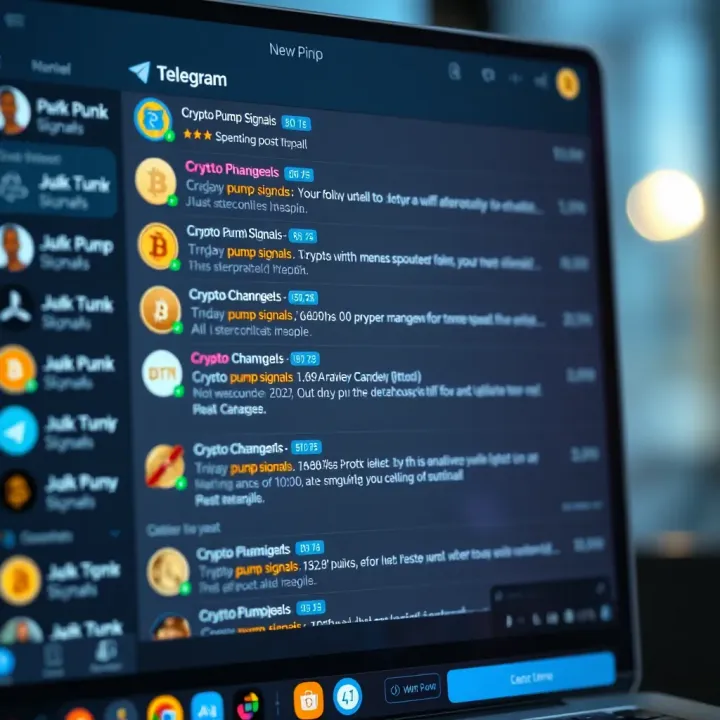
Pump signals refer to messages shared in Telegram groups or channels that indicate which cryptocurrency to buy and when. The goal is to cause a rapid surge in price, enabling those in on the 'pump' to sell at a profit before prices fall back. For example, a Telegram channel might announce a specific altcoin to buy at 3 pm, prompting members to buy simultaneously and create a price surge.
Telegram channels distribute these signals through real-time messages, often including the target coin's name, exchange platform, and time to act. The rapid nature of Telegram's messaging allows instant communication, which is crucial for triggering a coordinated buying spree. Traders watching these channels closely try to act swiftly to maximise gains.
Telegram's popularity in crypto trading is no accident. Its encryption and group size capabilities make it ideal for organising large groups quickly. Nigerians especially favour Telegram because it offers low data consumption compared to other apps, useful in areas with patchy internet. Many crypto traders have found Telegram a dependable source for timely trading information.
Most pump signal channels operate either on a free or paid subscription basis. Free channels might provide limited signals or late notifications, while paid ones often promise early alerts and more exclusive information. Traders should weigh the cost against potential gains, but caution is necessary as not all paid channels deliver quality signals.
Signal frequency varies widely: some channels issue daily signals, while others might only share a few pumps monthly. Timing is usually strategic, often targeting specific market hours or when liquidity is sufficient. Nigerian traders, juggling busy daily routines and network challenges, should consider how frequent signals fit their availability.
Content quality differs from channel to channel. The best channels provide more than just signal alerts—they add context like recent coin activity, volume spikes, or technical indicators. This extra insight helps traders make informed decisions rather than blindly following orders. However, some channels just post coin names without any explanation, increasing risks for participants.
Be aware that not all pump signals result in profit. The market can swing quickly, so understanding the source and quality of information before acting is crucial.
In essence, mastering what pump signals are and how Telegram channels function helps Nigerian traders approach these fast-moving opportunities cautiously and strategically.
Understanding how crypto pumps operate is essential for Nigerian traders who often face the challenge of volatile markets. Pump-and-dump schemes rely on sudden, coordinated buying activity that inflates the price of a cryptocurrency artificially. This spike lures in unsuspecting traders, hoping to capitalise on the rapid gains before prices inevitably plummet.
Coordinated buying to inflate prices occurs when a group, usually led by organisers in Telegram channels, simultaneously buys a specific coin. This sudden demand pushes the coin’s price up sharply, creating a sense of urgency and excitement. For example, a Nigerian trader might notice a crypto token rising from ₦500 to ₦1,500 within minutes due to these orchestrated buys. This artificial surge catches attention and draws more traders in.
Organisers' profit-taking and price collapse follow swiftly after the price reaches a peak. The organisers, who bought early at low prices, sell their holdings, often at a significant profit. When they dump their coins, the inflated price crashes, leaving latecomers with losses. Many Nigerian traders fall victim because they buy near the top and cannot exit quickly before the price nosedives.
Typical timing and duration of a pump usually span from a few minutes to an hour. Pumps often happen during off-peak hours Nigerian time, like late at night or early morning, when regulators are less active, and global markets might be calmer. The high-intensity burst means traders must act fast to benefit, but the rapid pace increases risk.
Risks of losses from volatile price swings are significant. Many Nigerian traders, unfamiliar with the quick reversals, end up holding coins during the price crash, wiping out potential gains. A sharp price rise might look promising, but without exit strategies, you can quickly realise losses.
Challenges with late entry and exit worsen the situation. Telegram channel signals often reach traders at different times, so some join after the price has jumped. Exiting at a good price becomes difficult as the sell-off begins. This timing mismatch creates a cycle of bad trades and frustration.
Impact of naira fluctuations and exchange rates adds another layer of risk. Since crypto trades typically occur in US dollars or cryptocurrencies like Bitcoin or Ethereum, any naira depreciation increases the cost for Nigerian traders. For instance, a depreciation from ₦460 to ₦500 per dollar means buying crypto on the same dollar price actually costs more in naira, squeezing returns even before price drops.
Nigerian traders should approach pump signals cautiously. Knowing how these schemes unfold helps guard against common pitfalls, especially given local market conditions and currency risks.
By understanding these mechanics and risks, traders can better position themselves to make informed decisions—whether to engage, trade cautiously, or avoid pump signals altogether.
In the fast-moving world of crypto trading on Telegram, not every pump signal channel is worth your trust. Nigerian traders ought to carefully evaluate the credibility of these channels to protect their investments from scams and poor-quality tips. Proper evaluation helps you spot genuine channels with reliable signals and avoid wasting time and money on fraudulent groups.
A trustworthy channel usually discloses clear information about its organisers or admin team. These groups often share their trading history, showing past successes and failures realistically. For instance, real groups don’t just boast about massive gains—they also acknowledge losses, which adds credibility. On the other hand, fraudulent channels tend to hide who they are or use fake identities, making it harder to hold anyone accountable. Transparency here matters because knowing who’s behind the signals allows traders to judge if the channel is genuine or a possible scam.
A strong sign of a credible pump channel is active, honest feedback from its members. Look for channels where traders discuss their experiences openly, sharing not just the wins but issues like delayed signals or failed pumps. Genuine testimonials often mention practical concerns such as signal timing or withdrawal ease. Beware channels that show only glowing, generic praise—this can be a sign of fake reviews or manipulation, common in less reliable groups. Engaging communities create accountability and help new members make better decisions.
Channels promising guaranteed profits or unusually high returns quickly should raise alarms. No legitimate trading signal can promise consistent wins, especially in Nigeria’s volatile crypto scene where naira fluctuation adds extra risk. Also, scams often have vague explanations, unclear pump schedules, or push you to act in rush without room for verification. If a channel avoids answering basic questions or uses pressure tactics, it’s better to steer clear. Real signal providers prioritise clear communication and manage expectations.
Never act on a pump signal blindly. Before committing real money, check the suggested coin or token’s market behaviour independently using platforms like CoinGecko or Binance. Confirm if multiple channels or trusted sources mention the same token. In Nigeria, with exchange rate fluctuations and network challenges, taking a moment to verify can prevent losses. Verifying signals first builds confidence and reduces chances of falling into traps set by unscrupulous channels.
Legitimate signal services usually don’t insist on hefty upfront fees before sharing any value. Channels that request large advance payments, especially without free trials or proof of performance, often aim to scam unsuspecting traders. A good practice is to use channels with transparent payment models, possibly starting with free signals or small monthly fees. For example, many reputable Nigerian fintech platforms offer low-cost or freemium models for learning trading signals.
Testing signals with small trade amounts limits your exposure to scams or volatile pumps. For instance, starting with ₦5,000 to ₦10,000 rather than full investment allows you to gauge the accuracy of the signals without risking too much of your capital. Combine this with basic risk management rules: set stop-loss orders and never invest money you can't afford to lose. Proper money management is key, especially given Nigeria’s unstable power supply which can affect real-time trading execution.
Remember, no signal channel guarantees profits. Your best defence against scams is solid research, cautious trading, and continuous learning.
Evaluating Telegram pump channels carefully protects your hard-earned money and keeps you sharp in the unpredictable Nigerian crypto market. Approach every signal with a mix of curiosity and caution—your wallet will thank you for it.
Legal and ethical factors are essential for Nigerian traders dealing with crypto pump signals. Navigating these considerations protects you from penalties and helps build a reputable trading practice. In Nigeria's evolving crypto space, awareness of laws and ethical boundaries ensures you don’t fall into illegal traps or harm your trading community.
The Central Bank of Nigeria (CBN) has repeatedly taken a cautious stance on cryptocurrencies. In February 2021, CBN directed banks to close accounts linked to crypto trading, aiming to curb risks tied to the unregulated market. This directive means that accessing naira liquidity for crypto trading can be challenging, pushing many traders to use peer-to-peer platforms instead. Although trading crypto is not outright illegal, banks remain wary of dealing with crypto businesses, affecting payment and fund transfers.
The Securities and Exchange Commission (SEC) Nigeria also plays a role by regulating digital assets that fall under investment products. SEC’s focus is on ensuring investor protection and market integrity, which means certain crypto tokens might require registration or fall under capital market laws if considered securities. Traders should monitor SEC announcements because a failure to comply with emerging rules could lead to sanctions or legal complications.
Regarding trading pump signals specifically, Nigerian law does not explicitly outlaw these alerts. However, pump-and-dump schemes may be seen as market manipulation, which carries legal risks under capital market regulations. Participating knowingly in artificially inflating asset prices could attract penalties. For this reason, traders need to exercise caution and understand that acting on suspicious signals might have unintended legal consequences.
Pump-and-dump schemes distort market fairness by creating artificial price surges. This practice cheats other traders, especially those entering late, by causing them to buy at inflated prices before a crash. Such manipulation undermines the principle of a free and fair market where prices reflect true supply and demand.
Beyond individual losses, pump-and-dump activities damage the wider crypto community’s reputation in Nigeria. Frequent scams lower public trust, making it harder for genuine projects and traders to gain acceptance. It also discourages potential investors who fear losing money to dishonest practices.
Long-term, these unethical actions threaten the growth of Nigeria’s crypto ecosystem. Trust is a critical foundation for any financial market. Without it, platforms struggle to attract sustained investment and regulatory approval. Upholding ethical standards helps Nigerian crypto markets mature into safer environments where both retail and professional traders can operate confidently.
Being aware of the legal framework and ethical implications of pump signals not only protects your capital but also supports the credibility of Nigeria’s crypto space. Exercise vigilance and choose informed trading strategies over risky pump schemes.
Relying on crypto pump signals from Telegram can expose Nigerian traders to serious risks, including scams and sudden price crashes. To avoid these pitfalls, exploring safer alternatives is essential, especially when dealing with volatile cryptocurrencies and a fluctuating naira. Instead of chasing fast gains from questionable signals, traders can focus on solid research methods and vetted services that increase the chances of sustainable profits.
Following Nigerian fintech analysts and platforms offers traders practical insights rooted in local market realities. Platforms such as Nairametrics and TechCabal, along with fintech analysts on Twitter and LinkedIn, often share timely updates on blockchain trends, regulatory changes, and promising projects. These sources help traders make informed decisions beyond hype-driven pumps. For instance, understanding how CBN policies or naira exchange rates impact crypto liquidity could influence when and what to trade.
Using data-driven trading tools and charts equips traders with measurable indicators instead of guesswork. Apps like Binance, Luno, or local aggregators offer candlestick charts, volume data, and moving averages that reveal price momentum. By analysing these charts, traders can spot entry and exit points based on real market behaviour. This approach also allows monitoring trends of popular altcoins that Nigerian traders widely use, such as Bitcoin (BTC), Ethereum (ETH), and Binance Coin (BNB).
Benefits of education on technical analysis cannot be overstated for Nigerian investors seeking long-term success. Learning basics like support and resistance levels, trend lines, and RSI (Relative Strength Index) empower traders to read market signals independently. Many free courses and webinars by crypto educators tailored for Nigerian audiences provide step-by-step guides. Over time, this foundation prevents traders from blindly following risky pump signals and gives them a solid grasp on timing their trades wisely.
Features of reputable signal providers include transparency about their strategy, verifiable track records, and user reviews. Legitimate services typically explain how they generate signals — whether through algorithmic analysis or human experts — and offer trial periods. They avoid unrealistic promises, instead focusing on consistent, moderate returns. Such providers often integrate well-known platforms like Telegram and WhatsApp without demanding hefty upfront fees from Nigerian subscribers.
How to assess offering before subscribing is crucial for avoiding scams. Nigerian traders should verify the service’s history by checking testimonials, social media presence, and community engagement. It's wise to test signals with small trades first to confirm accuracy before committing larger funds. Moreover, researching whether signals align with personal trading styles and risk tolerance helps prevent mismatches that could lead to losses.
Integrating signals with personal trading strategies means using signals as one of several tools rather than the sole basis for decisions. Nigerian traders benefit from combining signals with their research, market news, and technical analysis. For example, a signal to buy a certain coin can be cross-checked with current chart trends before acting. This hybrid approach reduces shock from sharp reversals often seen in pump-and-dump cycles and supports steady portfolio growth.
Safer trading lies in knowledge, critical thinking, and careful choice of tools — these beat chasing uncertain pump signals any day.
By prioritising education, reliable signals, and data-driven tools, Nigerian traders can build more consistent strategies that cope better with the challenges of the local crypto market and the unpredictability of pump schemes.
Explore TradingView with this guide tailored for Nigerian traders 🇳🇬. Learn charting, indicators, global connections, and smart tips to navigate the platform!
Explore Deriv.com for Nigerian traders 🇳🇬! Learn account setup, payment methods, trading tips, security, and how to trade smartly and safely online 📈💼.
📊 Discover which platform fits Nigerian traders best—TradingView or Deriv.com. Explore charting, market options, ease of use, and support in detail.
Explore binary options trading in Nigeria 🇳🇬 with this guide covering basics, risks, regulations, and tips to trade smart and avoid pitfalls 🚀📉📊
Based on 7 reviews