
TradingView vs Deriv.com: Best for Nigerian Traders
📊 Discover which platform fits Nigerian traders best—TradingView or Deriv.com. Explore charting, market options, ease of use, and support in detail.
Edited By
Sophie Langley
Deriv TradingView offers Nigerian traders a blend of powerful charting tools combined with a user-friendly trading interface. Whether you are a beginner just stepping into the market or an experienced trader looking to sharpen your strategies, this platform brings together features designed to suit local market dynamics and trading preferences.
At its core, Deriv integrates TradingView's advanced charting system, well-known for its wide range of indicators and real-time price feeds. This integration allows traders in Nigeria to analyse price movements of various instruments such as forex pairs, commodities like crude oil, and synthetic indices, all from a single dashboard.
TradingView on Deriv lets you customise charts with different time frames, from one-minute ticks for scalping to daily or weekly views for long-term investing. Nigerian traders can leverage this flexibility to adapt to volatile market conditions, especially given the naira's occasional instability and external shocks affecting local prices.
Using Deriv TradingView efficiently requires understanding both the tools and the environment. The Nigerian financial market is unique, with specific trends and risks, so combining technical analysis with local market awareness is key.
Some practical features that stand out include:
Multiple chart types: Line, candlestick, Heikin Ashi, and bars; each offering insights suited for different trading styles.
Technical indicators: Over 100 indicators like RSI, Bollinger Bands, and MACD can be applied to better time entries and exits.
Drawing tools: Trendlines, Fibonacci retracements, and support/resistance zones help define critical price levels.
Watchlists and alerts: Set up to track preferred assets and receive notifications on price actions or indicator signals.
For Nigerian traders, these tools can be combined with local market data to exploit opportunities in forex and commodity trading, especially where naira fluctuations impact cross-border transactions. For example, a trader speculating on the USD/NGN pair can use Deriv TradingView’s live candlestick charts alongside macroeconomic news from the Central Bank of Nigeria to make informed decisions.
Understanding Deriv TradingView's offerings sets a solid foundation. Subsequent sections will explore feature utilisation in detail, highlight trading best practices within Nigerian contexts, and examine risk considerations unique to the local environment.
Understanding the interface and features of Deriv TradingView is essential for anyone serious about trading in Nigerian markets. This platform combines Deriv’s flexible trading options with TradingView’s advanced charting tools, giving traders detailed data and analysis in real time. Knowing the role this integration plays helps traders make smarter decisions amid the volatile naira environment and local power/internet challenges.
Deriv is a popular online trading platform offering access to multiple financial markets, including forex, commodities, synthetic indices, and cryptocurrencies. Its relevance to Nigerian traders lies in its low entry barriers and user-friendly setup. Traders can open an account with modest capital and access markets typically less reachable through traditional brokers.
TradingView brings powerful, interactive charting tools directly into Deriv’s platform. This integration enables traders to analyse price movements with a level of detail not usually seen in standard trading platforms. Instead of switching between multiple tools, Nigerian traders can monitor live market shifts and apply technical analysis without leaving Deriv.
The seamless user interface combines Deriv’s trading options with TradingView’s graphs within one screen layout. For Nigerian traders, this means they can quickly switch between charts and trade orders without wasting precious time, especially with intermittent internet or power fluctuations common in some regions. Plus, the platform is mobile-responsive, so trading on smartphones or tablets doesn't sacrifice functionality.
Deriv TradingView supports several chart types, including line, bar, candlestick, and Heikin Ashi charts. Candlestick charts, for example, help spot price trends and reversals, useful in fast-moving markets like cryptocurrency. With these options, traders can pick chart styles that match their trading strategies.
The platform provides multiple timeframes — from one minute to monthly views — to cater for different trading styles such as scalping or long-term investments. Nigerians can access popular technical indicators like RSI (Relative Strength Index), MACD (Moving Average Convergence Divergence), and Bollinger Bands. These indicators help make sense of market momentum and volatility, guiding entry and exit decisions.
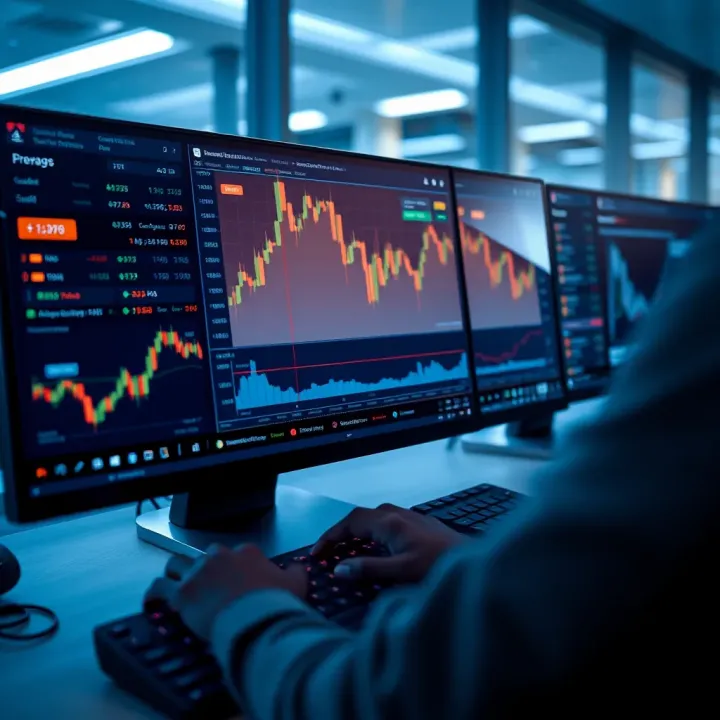
TradingView on Deriv allows users to save customised chart layouts and switch between setups. For instance, a trader might set up one layout for forex trading and another for commodities. This flexibility saves time and keeps analysis consistent, which is key for traders managing multiple assets in dynamic Nigerian markets.
For Nigerian traders, combining Deriv’s accessible trading offers with TradingView’s charting depth means better control, especially when market swings or external factors like naira fluctuations come into play.
These basics set the foundation for deeper technical analysis and tactical trading strategies, which Nigerian traders can adopt to improve performance while adjusting for local conditions.
Mastering the use of TradingView tools on Deriv enhances your trading precision and efficiency. This is especially relevant for Nigerian traders facing fluctuating market dynamics and infrastructural challenges. Knowing how to set up your workspace, apply technical indicators, and manage alerts can optimise decision-making and minimise risks.
Selecting trading instruments and markets requires careful consideration. Deriv offers a variety of instruments, including forex pairs, commodities, and indices. Nigerian traders might prioritise instruments that align with local economic indicators like the naira to dollar exchange rate or global oil prices. Focusing on markets you understand or that show clear trends reduces guesswork and improves outcomes.
Saving chart layouts and workspaces is practical for maintaining consistency. Once you customise your chart view—arranging indicators, timeframes, and drawing tools—to suit your strategy, saving it saves time for your next session. For example, day traders targeting short-term forex movements can quickly load a saved layout rather than rebuilding it repeatedly, helping them react faster amid Lagos traffic jams or erratic power supply.
Using drawing tools for analysis adds clarity to price actions. Drawing trend lines, support and resistance levels, and Fibonacci retracements provide visual cues. Many Nigerian traders combine this with knowledge of local events like CBN policy announcements to anticipate market moves. Accurate drawings help spot breakout points or reversals, which are crucial for entry and exit timings.
Popular indicators for Deriv traders include the Relative Strength Index (RSI), Moving Averages (MA), and Volume indicators. RSI helps identify overbought or oversold conditions, useful in volatile markets like forex pairs involving the naira. Moving averages smooth out price data, highlighting trends over time—good for Nigerian swing traders monitoring oil price shifts. Volume indicators confirm the strength of price moves, helping avoid false signals.
Creating and managing alerts keeps you updated without constantly watching the screen, a lifesaver during power outages or busy days in Nigeria’s bustling cities. You can set alerts for price levels, indicator crosses, or trend line breaches. For instance, if Brent crude oil price aligns with key support, an alert prompts you to reassess your position on Deriv.
Combining indicators for better decision-making sharpens your strategy. Using RSI alongside Moving Averages, for example, can confirm trend strength and potential reversal. Such combinations reduce false signals common in single-indicator reliance. Nigerian traders benefit by tailoring this mix to instruments most affected by local market conditions, such as agricultural commodities or currency pairs.
Efficient use of TradingView tools on Deriv can make the difference between guesswork and informed trading decisions, particularly in the complex Nigerian market environment.
These approaches help maximise Deriv TradingView’s value, especially for Nigerian traders balancing market unpredictability and infrastructural hurdles.
Trading strategies form the backbone of effective market engagement, especially when using the robust Deriv TradingView charts. These strategies equip Nigerian traders with practical ways to interpret market signals, manage risks, and make timely decisions. The direct access to real-time data and powerful tools offered by TradingView on Deriv allows for more precise execution of short-term and medium-term trading plans.
Scalping strategies with real-time data focus on exploiting small price movements within very short periods. For Nigerian traders, especially those active during volatile market hours, scalping can be a way to harvest quick profits by executing multiple trades throughout a single session. Deriv’s TradingView integration provides up-to-the-second price updates and sharp charting tools necessary for spotting micro trends and exiting positions quickly. For example, during the ember months when market volatility often rises, scalpers can capitalise on sudden price swings in currency pairs or commodities listed on Deriv.
Using volume and RSI to time entries and exits is a popular method among day traders aiming to improve trade accuracy. Volume indicators reveal the strength behind a price move, while the Relative Strength Index (RSI) helps identify overbought or oversold conditions. A Nigerian trader using Deriv TradingView might spot a rising volume with RSI near 30 as a potential buy signal, hinting at a market reversal. Conversely, high RSI values combined with decreasing volume could warn about weakening momentum, signalling it’s time to exit a position before losses accumulate.
Identifying trend reversals on charts helps swing traders catch middle-term moves, which last a few days to weeks. Using Deriv TradingView, patterns like head and shoulders or double bottoms become easier to spot thanks to customizable drawing tools and overlays. For someone trading oil contracts, common on Deriv, recognising early signs of trend changes can prevent heavy losses or capture profitable swings in prices.
Setting stop-loss and take-profit points is essential in protecting capital and locking in gains. TradingView tools allow Nigerian traders to visually set these levels on the chart, ensuring disciplined exits. For instance, after entering a swing trade on a forex pair, placing a stop-loss just below a recent swing low and a take-profit near a resistance level can safeguard from unexpected market moves. This approach keeps the risk-to-reward ratio sensible and prevents emotional decision-making during volatile trading sessions.
Successful trading on Deriv depends not just on having access to great charts but on applying thoughtful strategies that match your trading style and local market conditions.
By combining these techniques with Deriv's TradingView capabilities, Nigerian traders can navigate the complexities of the financial markets with greater confidence and potentially improve their trading outcomes.
Trading with Deriv's TradingView interface offers powerful tools, but Nigerian traders must navigate some local realities to make the most of the platform. Understanding the unique market conditions, currency risks, and regulatory requirements can protect investments and improve trading outcomes.
Naira volatility directly affects traders using Deriv because the value of their trading capital can shift unexpectedly. For example, if you deposit ₦100,000 when the exchange rate is 1 US dollar to ₦460, but the naira later weakens to ₦500 to the dollar, your effective buying power changes. This fluctuation can impact both profits and losses, especially when trading forex or CFDs priced in foreign currencies. Traders should monitor exchange rates closely and consider transferring funds in smaller batches to mitigate currency risk.
Power supply and internet reliability also play major roles in Nigerian online trading. Frequent outages or slow connections disrupt live charting on TradingView, leading to missed entry or exit points. Many traders rely on mobile networks, which can vary by location and time of day. Having backup internet options such as a secondary data provider or a mobile hotspot can improve consistency. Equally, uninterruptible power supplies (UPS) to keep computers or routers running during brief shortages help maintain active trades.
Fuel costs for generators present another challenge during trading hours. According to some Nigerian traders, running a generator for continuous power can add thousands of naira to daily expenses. Efficient power management — such as using laptops instead of desktops and limiting high-draw devices — helps reduce fuel consumption. Scheduling trading sessions during reliable NEPA/DISCO supply windows, when possible, also cuts generator use. Keeping a fuel budget and tracking daily costs ensures trading remains sustainable over the long term.
Nigeria's regulatory framework impacts Deriv traders, with agencies like the Securities and Exchange Commission (SEC) Nigeria and the Nigerian Investment and Growth Fund for Trading Regulation (NIGFTR) overseeing investment activities. Knowing which financial products are registered and legal helps avoid sanction risks. While Deriv operates offshore, Nigerian investors must ensure their trading activity complies with SEC guidelines to prevent conflicts.
Compliance with Know Your Customer (KYC) rules and providing Bank Verification Number (BVN) details is standard for Nigerian traders using Deriv. The process verifies identities and discourages fraud. Buyers and sellers entering the market must provide accurate documentation to avoid account suspension or delays in fund withdrawals.
Tax obligations are often overlooked but remain essential. Profits from derivatives and forex trading constitute taxable income under Nigerian tax law. Traders should keep detailed records of all transactions, gains, and losses. Consulting tax professionals on proper declaration ensures compliance with the Federal Inland Revenue Service (FIRS) and avoids penalties.
Successful Deriv traders in Nigeria balance smart trading skills with attention to local challenges, from currency swings to compliance requirements. A disciplined approach to these considerations builds resilience and steady gains over time.
Using Deriv TradingView effectively requires more than just knowing how to read charts; it demands sound strategies to both increase profits and reduce potential losses. Nigerian traders face unique challenges such as naira fluctuations, inconsistent power supply, and market volatility, so applying practical tips can make all the difference.
Using stop-loss orders wisely is a fundamental risk control tool. Many traders on Deriv lose money because they don't set stop-loss points, hoping markets will reverse in their favour. Instead, place stop-loss orders at levels informed by your technical analysis to limit losses if the market moves against you. For example, if you're trading currency pairs affected by naira instability, setting a stop-loss prevents sudden depreciations from wiping out your investment.
Diversifying across different assets reduces exposure to market swings. Instead of putting all your funds into one instrument like forex or commodities, spread your investments among several assets available on Deriv. This way, a loss in one market could be offset by gains in another. Nigerian traders could combine forex, indices, and digital options to balance risk, especially since external factors like government policy changes can affect specific markets more heavily.
Avoiding overtrading during ember months is especially relevant for Nigerian traders. The final quarter of the year, known as ember months, often comes with increased expenses for festivities and supply chain delays, leading to higher volatility in financial markets. Overtrading in this period might amplify losses due to emotional decisions or market unpredictability. Exercise restraint, stick to a trading plan, and adjust position sizes during these months to safeguard your capital.
Integrating payment platforms like Paystack and Flutterwave simplifies fund transfers and ensures smooth deposits and withdrawals on Deriv. These platforms support various payment methods popular in Nigeria, including bank cards, USSD codes, and mobile wallets. Their strong security measures also add peace of mind, helping traders avoid delays or complications often experienced with traditional bank transfers.
Using budgeting apps to track trading expenses helps traders maintain control over their finances. Apps available locally or internationally allow you to monitor deposits, withdrawals, fees, and profits. For instance, some Nigerians use platforms like Cowrywise or Piggyvest alongside general budgeting apps to track how much capital they risk compared to overall personal finances, reducing the chance of reckless spending.
Taking advantage of local online trading communities brings real insights from fellow Nigerian traders who understand local market nuances. Forums, WhatsApp groups, or social media pages dedicated to Deriv traders provide shared strategies, warnings about scams, and updates on regulatory changes from Nigeria’s Securities and Exchange Commission (SEC). Engaging with these communities can sharpen your trading skills and keep you informed about practical matters that international sources might miss.
Smart management and the right local tools can help Nigerian traders turn Deriv TradingView charts into consistent profit opportunities while managing risks.
📊 Discover which platform fits Nigerian traders best—TradingView or Deriv.com. Explore charting, market options, ease of use, and support in detail.
📈 Discover how Nigerian traders can pair TradingView with Deriv for smarter trades—learn chart integration, tools, and strategies for digital options & forex.
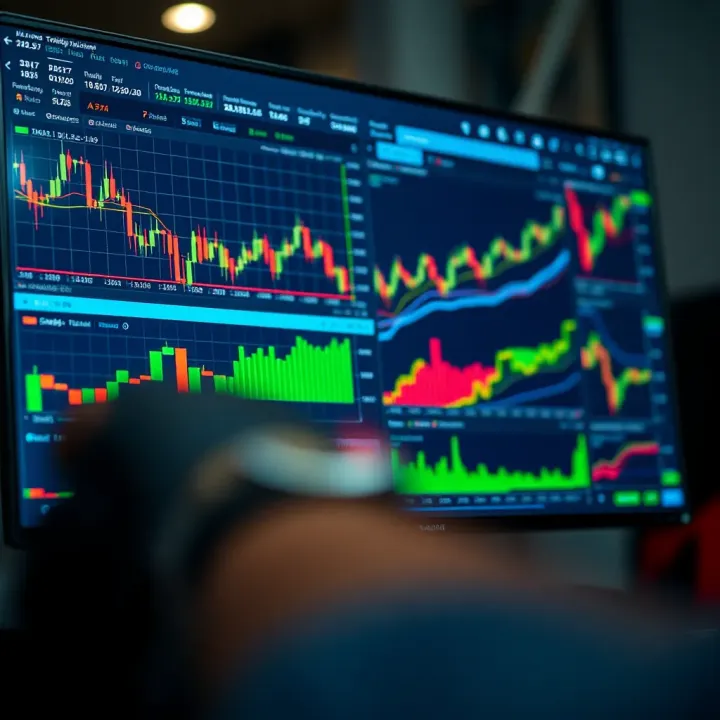
Explore TradingView with this guide tailored for Nigerian traders 🇳🇬. Learn charting, indicators, global connections, and smart tips to navigate the platform!
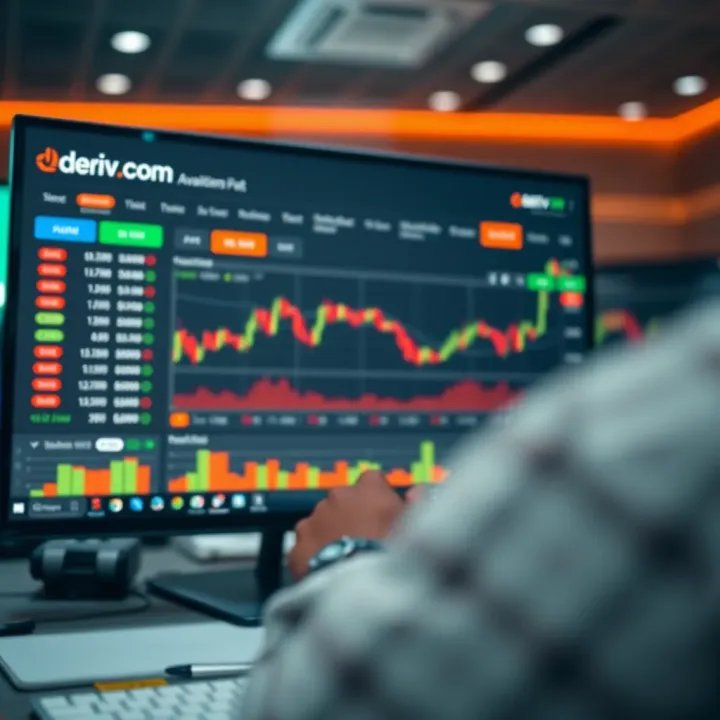
Explore Deriv.com for Nigerian traders 🇳🇬! Learn account setup, payment methods, trading tips, security, and how to trade smartly and safely online 📈💼.
Based on 5 reviews