

Two-Factor Authentication in Real-Time Use
🔐 Discover how two-factor authentication boosts real-time security across industries in Nigeria. Learn about methods, challenges, and best practices for stronger digital protection.
Edited By
Henry Collins
Donald Bren stands out as a heavyweight in American real estate, chiefly through his role as chairman of the Irvine Company. His journey from modest beginnings to becoming one of the most influential property developers is a story of sharp business insight mixed with patient strategy.
Unlike many real estate investors who chase quick profits, Bren adopts a long-term approach focused on quality and sustainable urban development. Under his leadership, the Irvine Company has transformed large parts of Southern California, shaping not just skylines but entire communities. For instance, the company's development of planned towns like Irvine blends residential, commercial, and recreational spaces thoughtfully, making these areas attractive to investors and residents alike.
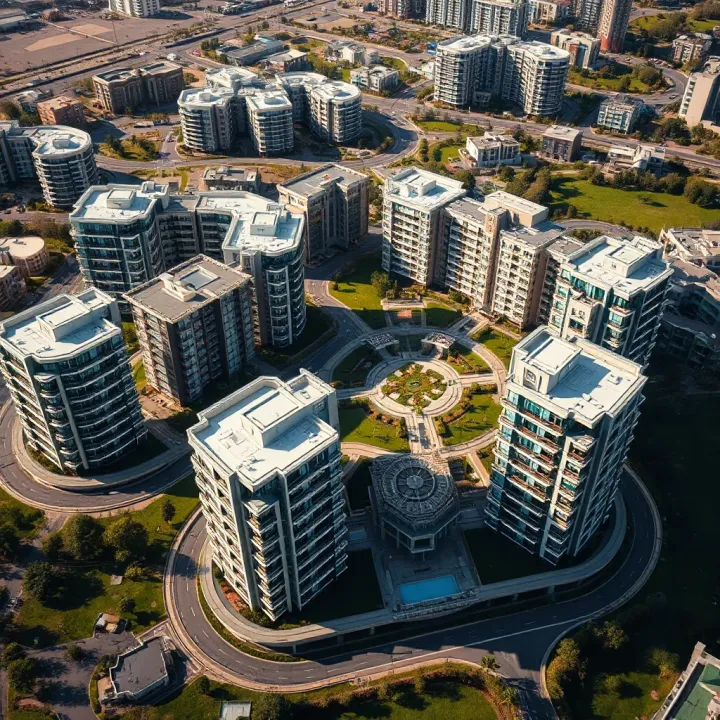
Bren’s method goes beyond simply buying land and building properties; he prioritises comprehensive planning and infrastructure integration. This approach has made the Irvine Company a model for urban development, balancing economic growth with environmental considerations. His reputation in the industry reflects this commitment to creating functional and vibrant spaces.
Beyond business, Donald Bren channels substantial resources into philanthropy. He has donated hundreds of millions of dollars to education, environmental conservation, and scientific research. His gift to the University of California for campus expansion and ecological studies stands as one of the largest in California’s history, showing his dedication to leaving a lasting social impact.
Bren’s legacy is a blueprint for sustainable real estate growth—blending profitable ventures with community welfare.
For traders and investors, Bren’s record offers practical lessons on the value of patience, integrated development, and corporate responsibility. Whether you’re analysing real estate stocks or evaluating urban projects, his career provides a case study in building wealth that endures.
In sum, Donald Bren merges sharp real estate acumen with broad societal vision, shaping urban spaces that deliver enduring value both economically and socially.
Understanding Donald Bren's early life and career start is essential to grasp the foundation of his success in real estate. These formative years shaped his business principles and set him on the path to becoming one of America’s top property developers. By examining his background and initial steps, investors and entrepreneurs can draw lessons on the value of education, timing, and strategic decision-making from his story.
Donald Bren grew up in a family that valued hard work and resilience, traits he carried into adulthood. He attended the University of Washington, where he earned a degree in business. The education he received was not just theoretical; it exposed him to practical aspects of commerce, finance, and real estate fundamentals. For example, his knowledge of market dynamics and financial structuring later allowed him to identify opportunities others overlooked. This educational grounding is a reminder that success in property investment often begins with a solid grasp of business basics, which many budding entrepreneurs might underestimate.
Bren’s early career did not start with a sudden property deal but with steady, focused moves within the real estate sector. He began by investing in smaller properties and, importantly, learned the significance of patience and due diligence. One illustrative instance is his investment during the post-war housing boom, when he acquired undervalued land parcels that later appreciated significantly as urban development increased. For traders and investors, this approach underlines the importance of timing and market knowledge—buying strategically when assets are undervalued and holding them for long-term growth.
His initial forays often involved hands-on management, giving him insights into property operations, tenant needs, and construction challenges. This experience proved invaluable when he shifted towards larger projects, providing practical know-how that many investors miss when they delegate too early. Understanding such operational details can reduce risks and improve returns in property ventures.
Bren’s early career highlights that success in real estate requires a mix of education, patience, and practical experience. His journey encourages investors to balance market research with ground-level knowledge before scaling up.
In sum, Donald Bren’s early life teaches that a strong educational foundation combined with incremental, well-researched investments can pave the way to real estate dominance. For Nigerian entrepreneurs and investors eyeing the property market, especially amid uncertainties like naira volatility and power supply issues, Bren’s strategy shows the value of careful groundwork before aggressive expansion.
The growth of the Irvine Company under Donald Bren's leadership is a textbook example of strategic expansion combined with a sharp business vision. By steadily acquiring key parcels of land in Southern California, Bren transformed the company from a regional player to a powerhouse in real estate. This expansion was not random; it followed a clear path of identifying undervalued but promising assets and then developing them to meet market demand, thereby creating sustainable long-term value.
Donald Bren's initial strategy centred on acquiring vast acreage in Irvine, then a quiet and underdeveloped area. Recognising its potential due to proximity to Los Angeles and expanding tech hubs, Bren steadily bought more land to control a large swath of Southern California's real estate. For instance, by the late 1980s, Irvine Company controlled roughly 93,000 acres, giving it significant pricing power and development control.
This approach provided the firm with unmatched flexibility. The company could phase developments in line with economic cycles, which helped it avoid the boom-and-bust pitfalls common in real estate. Strategic acquisitions extended beyond residential projects; commercial spaces and retail centres were added to ensure diverse income streams.
Unlike many developers chasing quick sales, Bren prioritised creating balanced, sustainable communities. The Irvine Company’s developments often feature well-planned residential areas partnered with schools, parks, and businesses—something akin to the Nigerian concept of integrated estates but on a much larger scale.
Bren’s urban vision includes preserving open spaces and managing traffic flow, which lowers congestion and enhances residents' quality of life. This approach resonates with modern city planners focusing on environmental impact and livability, which Nigerian urban developers can learn from, especially in congested cities like Lagos and Abuja.
Balancing expansion with sustainable design has allowed the Irvine Company to maintain property values while fostering community stability.
In sum, Bren's strategy of carefully timed acquisitions combined with sustainable urban planning made the Irvine Company a model for real estate growth. For investors and entrepreneurs, his example underscores the value of patience, market awareness, and commitment to quality development rather than rapid speculative gains.
Donald Bren’s work in real estate is especially notable for how his projects changed landscapes and market dynamics. His developments go beyond just constructing buildings; they often reshape communities and influence local economies. For investors and financial analysts, recognising the significance of these projects helps gauge long-term value and risk.
Among Bren’s most influential projects is the community of Irvine, California, developed under the Irvine Company. This master-planned city blends residential, commercial, and recreational areas with careful urban planning. The strategy behind Irvine demonstrates how thoughtful development can create sustained demand and high property values, benefitting investors seeking stable returns.
Another standout is the Ocean Trails community on the southern edge of Irvine. Positioned near the coast with ample green spaces, it appeals to lifestyle-focused buyers and renters. For brokers and entrepreneurs, it exemplifies how location and amenities drive premium pricing and market interest.
The FivePoint Communities initiative, involving partnerships with the Irvine Company, also deserves attention. This includes mixed-use developments that integrate housing, retail, and offices—aligning with modern urban trends prioritising accessibility and convenience.
Bren’s developments typically go hand in hand with community enhancements, not just business profits. For instance, the Irvine Company invested in schools, parks, and transport infrastructure, improving quality of life and making areas more attractive for residents and businesses. These efforts bolster property demand, stabilising the investment landscape.
In contrast to haphazard growth seen in many urban centres, Bren’s projects have avoided common pitfalls like congestion and poor amenities. Investors and analysts should consider such social and infrastructural factors when valuing properties, as they significantly influence market performance.
Bren’s approach shows that real estate development can be a catalyst for broader economic growth, which ultimately benefits both investors and local populations.
In summary, Donald Bren’s significant real estate developments offer lessons in blending profitability with purposeful urban growth. For traders and investors, analysing his properties highlights how sustainable planning can translate into long-term asset appreciation. Understanding the impact on local communities further underscores why these projects maintain resilience even in volatile markets.
Donald Bren’s impact extends well beyond real estate development; his philanthropic work and cultural support have shaped communities and institutions in significant ways. Understanding his approach to giving helps investors and entrepreneurs appreciate how business success can fuel broader societal benefits.
Bren has consistently channelled resources into charitable foundations, focusing on causes like environmental conservation, healthcare, and housing. The Donald Bren Foundation, for example, has committed millions towards preserving natural habitats and promoting sustainable urban environments. This reflects Bren’s belief that responsible development should balance economic growth with environmental stewardship.
His philanthropic efforts also include substantial donations to medical research institutions and hospitals. Such contributions improve healthcare access, indirectly supporting the workforce and communities connected to his business ventures. For instance, his foundation has been known to support Californian cancer research centres, aligning personal values with regional impact.
Education forms a central pillar in Bren’s philanthropy. He has funded scholarships and endowed chairs at universities, especially in fields linked to urban planning, business, and environmental science. This commitment to education nurtures future leaders who may continue innovative practices in real estate and beyond.
Bren also recognises the importance of cultural institutions. Donations to museums, performing arts centres, and local heritage projects help preserve cultural identity while fostering community engagement. This support often enhances the attractiveness of areas surrounding his developments, creating value for investors and local businesses alike.
Bren’s philanthropy shows that lasting influence in business often involves giving back to society in thoughtful, strategic ways that bolster environmental, educational, and cultural foundations.
By linking philanthropy with business strategy, Donald Bren exemplifies how wealth can create positive ripple effects far beyond the bottom line. Entrepreneurs and investors can learn from his example – investing not just in assets but also in community resilience and knowledge growth.
Donald Bren’s influence in real estate extends well beyond mere property ownership. As chairman of the Irvine Company, his legacy is marked by a keen sense of timing, strategic acquisitions, and sustainable urban development that reshaped parts of Southern California. Bren didn’t just build buildings; he crafted communities that balance residential, commercial, and recreational spaces in a way that continues to attract investors and residents alike.
Bren is widely respected for his disciplined approach to real estate investment. Unlike many who chase rapid development, he takes a long-term view, focusing on quality over quantity. Industry players often note his patience and meticulous planning, which have resulted in assets appreciating steadily rather than suffering from oversupply or poor infrastructure. Take, for example, the Irvine Ranch, a master-planned community that’s become a model for sustainable growth and livability. His reputation also benefits from his ability to maintain privacy and low-profile negotiations, often securing big land deals without stirring market speculation.
Investors see Bren as a stabilising force in what can be a volatile market. His transactions rarely involve speculative risks; each move is backed by in-depth market research and a deep understanding of demographic trends. This measured approach gave the Irvine Company an edge over competitors who rushed into development during boom periods only to face losses during downturns.
Bren’s career offers several practical lessons for investors and entrepreneurs interested in real estate. Firstly, patience pays off. His methodical land acquisition strategy—waiting years for the ideal moment to develop—illustrates how rushing can sabotage returns. Secondly, Bren emphasises integrated urban planning. He combines residential areas with commercial hubs and green spaces, recognising that a balanced environment attracts a sustainable population and business base.
Moreover, Bren highlights the value of discretion and negotiation skill. Many of his deals happened quietly, avoiding public auctions or bidding wars that can inflate prices. This strategy is a reminder that sometimes the best deals happen behind closed doors and that patience to hold assets until they fit a strategic plan is key.
Bren’s example shows that building wealth in real estate isn’t about quick flips but about understanding community needs, timing, and resilience against market swings.
For those looking to emulate his success, consider:
Conduct thorough market research before investing.
Be prepared to hold properties for the long term.
Prioritise sustainable development to ensure lasting demand.
Develop negotiation skills to secure favourable deals quietly.
Donald Bren’s legacy is not just the tangible properties but the principles that underpin successful real estate investment. His story provides vital insights for traders, investors, and entrepreneurs keen on creating enduring value in the real estate sector.
🔐 Discover how two-factor authentication boosts real-time security across industries in Nigeria. Learn about methods, challenges, and best practices for stronger digital protection.

Explore Bill Lipschutz's trading journey, strategies, and success stories 📈. Learn how he shaped currency trading for aspiring Nigerian traders 🇳🇬.

Discover how to trade binary options in Nigeria with confidence 📈 Learn key strategies, risk management, top brokers, and legal tips to succeed.

📈 Discover the forex market open hours for Nigerian traders, learn the best trading times, and get tips to optimize your forex trading schedule locally. 🇳🇬
Based on 13 reviews