
Choosing the Best Trading Broker in Nigeria
Discover how to pick the best trading broker in Nigeria! Learn about key features, regulations, costs, and top broker options to fit your trading needs 📈🇳🇬
Edited By
Sophie Langley
Broker trading is a key part of the financial market, especially for Nigerian investors looking to grow their money through stocks, bonds, and other assets. Simply put, broker trading involves using a middleman—called a broker—who facilitates buying and selling financial instruments on your behalf.
Investing without a broker is like trying to enter a locked market without a key; brokers give you access to trading platforms, whether on the Nigerian Stock Exchange (NGX) or international markets. They also offer advice, research tools, and execute trades swiftly to help you take advantage of market changes.
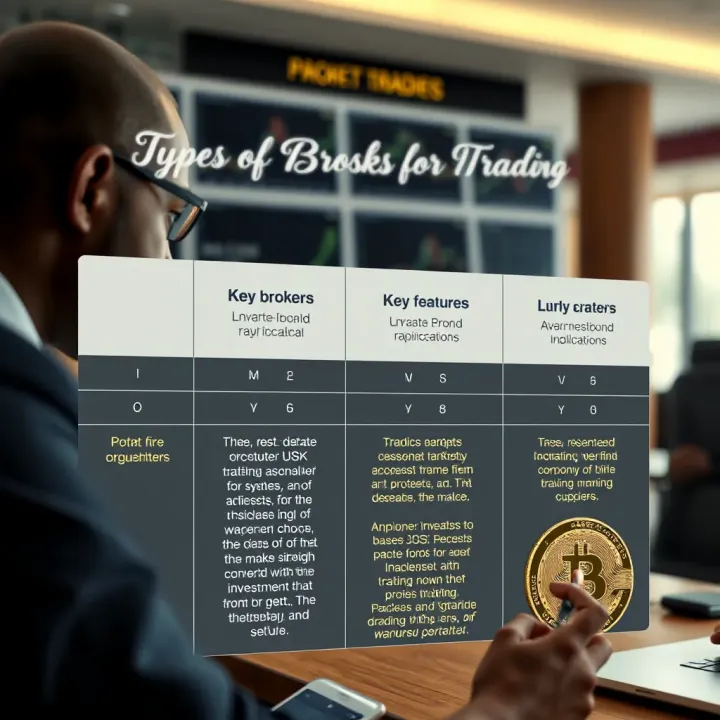
Understanding how brokers operate is important. There are different types, such as full-service brokers who provide in-depth investment advice and portfolio management, and discount brokers who focus on low-cost trade execution. For example, a beginner investor with ₦500,000 savings might prefer a discount broker like Trove or Chaka, which specialise in affordable access to Nigerian and US stocks.
Costs vary across brokers and usually include commissions, platform fees, and sometimes account maintenance charges. Knowing these costs upfront helps you avoid surprises. For instance, some brokers may charge a flat ₦200 per trade, while others take a percentage of the trade value.
Choosing the right broker affects not just your fees but your overall investment success. Look out for licensing by the Securities and Exchange Commission (SEC) Nigeria to ensure regulatory compliance and protection.
In Nigeria, broker services are expanding rapidly due to fintech growth. Platforms are becoming more user-friendly, mobile-ready, and tailored to local needs, which makes understanding broker trading now more vital than ever.
This guide aims to equip you with clear, practical knowledge to confidently approach broker trading and maximise your investment outcomes. Whether you plan to start small or increase your portfolio, knowing how brokers work helps you make smarter choices.
Broker trading is the process through which investors buy or sell financial assets like stocks, bonds, or commodities using an intermediary known as a broker. In Nigeria, this role is especially critical as most individuals do not have direct access to the stock exchange or foreign markets. Brokers bridge this gap by connecting investors to these markets, facilitating the movement of funds and securities efficiently. For example, when you want to buy shares of Dangote Cement on the Nigerian Exchange (NGX), the transaction usually goes through a licensed broker who places the order for you.
The practical benefit of broker trading lies in access and expertise. Brokers offer a platform and tools that individual investors may lack to execute trades promptly and at the right prices. They also ensure regulatory compliance, making the investment process safer. For Nigerian investors, especially beginners, brokers provide a structured way to enter financial markets without navigating the complexities alone.
Brokers serve as the middlemen between investors and the financial markets. They have direct access to exchanges and trading platforms where assets are bought and sold. For ordinary Nigerians, it’s nearly impossible to trade shares or foreign currencies without this connection. Brokers receive your orders, execute trades on your behalf, and report back on confirmations and settlements. This role is crucial, given that market access is tightly controlled and requires specific licences and technological access.
Apart from market access, brokers handle the buying and selling logistics—ensuring transactions happen immediately when the market is open. For instance, if you want to purchase government bonds for stable returns, a broker guides you through the process, often helping with paperwork and compliance. Brokers also help manage settlement times, confirmation of ownership, and can provide market insights that influence when to buy or sell.
Retail brokers focus on individual investors, offering platforms that cater to small-scale traders and beginners. They handle numerous smaller transactions and often provide customer support, educational resources, and user-friendly technology. Examples include Nigerian brokers like Chaka or Bamboo catering to retail investors.
On the other hand, institutional brokers serve large clients such as pension funds, banks, and corporations. These brokers execute bulk trades and provide services like block trading, research, and dedicated account management. Their dealings are generally larger in volume and value, impacting market liquidity differently than retail trades.
Retail brokers help everyday investors by offering accessible platforms with tools like mobile apps and demo accounts, making it easier to start and learn trading. They may provide advisory services, portfolio management, and customer education. Institutional brokers, meanwhile, focus on tailored strategies that meet complex investment needs, risk management, and compliance at massive scales.
Whether you are trading a few thousand naira or managing billions, understanding these broker roles equips you to choose the right partner and navigate Nigeria’s financial markets effectively.
Understanding the types of brokers available in Nigeria is essential for any investor looking to make informed choices. Different brokers offer varying levels of service, cost structures, and platform access, all of which affect how you trade and grow your portfolio. Whether you prefer personal guidance or self-directed trading, knowing the broker types will help you match your investment style and goals.
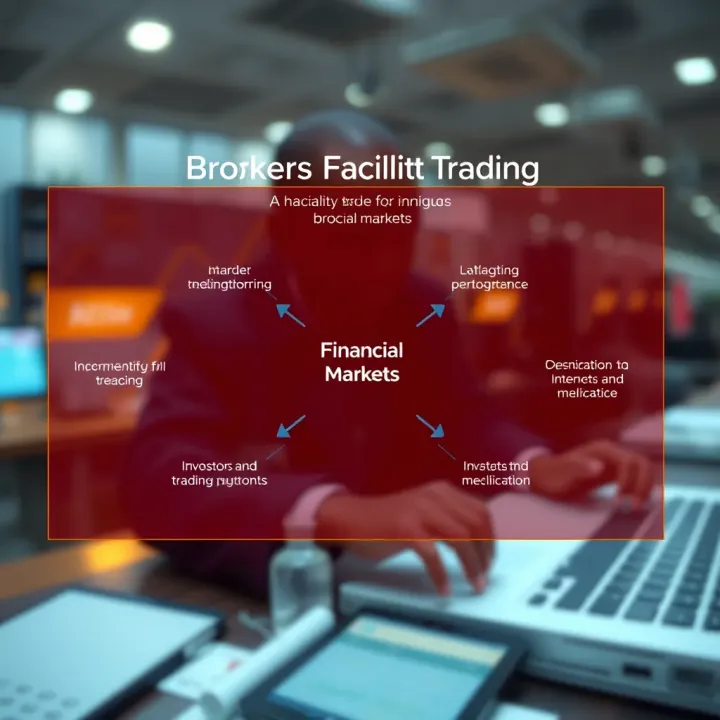
Traditional full-service brokers provide personalised advice tailored to your investment goals, local market conditions, and risk appetite. These brokers have seasoned financial advisors who offer research support, including detailed company analysis and market trends, which can be invaluable especially for new investors or those seeking to optimise a diverse portfolio. For example, firms like ARM Securities or Stanbic IBTC Securities offer such services that go beyond merely executing trades.
However, this level of service comes at a cost. Full-service brokers typically charge higher fees and require minimum account balances – usually starting from tens of thousands of naira to hundreds of thousands depending on the brokerage. These fees might include management charges and premium commissions. For investors with smaller amounts to deploy or those who prefer keeping costs low, such brokers may not be the ideal choice, though the personalised support can sometimes justify the expense.
Discount brokers offer a stripped-down service focusing on cost efficiency by charging lower fees but limiting advisory support. Instead of giving tailored investment advice, they provide a platform for investors to independently buy and sell stocks, bonds, or other assets. This model suits self-directed traders confident in their research and market decisions.
In Nigeria, platforms like Meritrade and BRK Trust offer online brokerage services with transparent fee structures and easy account opening processes. These platforms typically charge a flat fee or a small percentage per transaction. Though they provide fewer research tools compared to full-service brokers, their digital interfaces often include basic market data and charting features that support trading decisions.
Mobile app-based brokers have gained traction in Nigeria due to the widespread use of smartphones. These apps make trading accessible anywhere, anytime, with simplified processes built for convenience. Their user-friendly interfaces and low minimum deposit requirements attract younger investors and those just starting out.
Examples such as Bamboo and Chaka have made it possible for Nigerians to trade not only Nigerian stocks but also foreign securities like US equities. Such accessibility broadens opportunities, enabling investors to diversify internationally from their mobile phones. Besides ease of access, these mobile options often support instant funding and withdrawals, making them practical for everyday investors.
Choosing the right broker depends largely on your investment needs, comfort with self-research, and how much you are willing to pay for service and convenience. In the Nigerian context, exploring each type can lead you to a platform that fits your style and budget effectively.
Choosing the right broker is a key step for Nigerian investors aiming to grow their wealth efficiently. The broker acts as the gateway to financial markets, so their fees, tools, and regulatory standing can impact your investment success. Picking a broker without careful consideration could mean higher costs or even expose you to unnecessary risks.
Understanding the types of fees brokers charge helps avoid surprises that can eat into your returns. Common fees include commission on each trade, inactivity fees if you don't trade for a while, withdrawal charges, and occasionally platform access fees. For example, traditional full-service brokers like Stanbic IBTC may charge higher commissions but offer personalised advice, whereas online platforms like Chaka usually charge lower fees with fewer services.
Fees may be flat per trade or a percentage of the transaction value. Nigerian investors working with smaller capital should be mindful of percentage fees, as these can add up quickly with frequent trades. Knowing the fee structure upfront allows you to calculate how it will affect your profit margins.
The impact of fees on returns is often underestimated. For instance, a 1% brokerage fee on every transaction might seem small, but if you trade actively, that cost quickly chips away at your gains. Over time, what looks like a small deduction becomes significant, especially when compounding growth is factored in. Comparing brokers based on fees enables you to pick the platform that provides the best value considering your trading habits.
An easy-to-navigate trading platform matters a lot, especially for investors new to the stock market. Brokers that offer user-friendly interfaces reduce the risk of errors placing trades, and allow smoother monitoring of your portfolio. For example, Bamboo’s app is popular in Nigeria for its straightforward layout that even first-timers find easy to handle.
Aside from usability, access to research and educational materials can improve your investment decisions. Brokers like Trove provide market insights, company reports, and learning modules that help you understand market trends and analysis. This support is practical if you are keen on growing your financial knowledge while trading.
Investing with a broker regulated by Nigerian authorities such as the Central Bank of Nigeria (CBN) and the Securities and Exchange Commission (SEC) gives you assurance that the broker complies with established financial standards. These regulations help prevent fraud, protect investors’ interests, and require brokers to maintain transparency.
Safety of your funds is paramount. Choose brokers that segregate client funds from their operating capital, which ensures your investment is protected even if the broker faces financial challenges. Look out for brokers who use strong cybersecurity measures to guard your account details and transactions. This is especially crucial in an era where cyber threats target online trading platforms.
Always prioritise brokers with clear fee structures, intuitive platforms, and proper regulatory approvals—these form the foundation for secure and cost-effective investing in Nigeria.
By carefully comparing fees, testing platform usability, and verifying regulatory compliance, Nigerian investors can pick brokers that meet their investment style, protect their capital, and provide the tools required to succeed in local and global markets.
Trading through brokers in Nigeria comes with both costs and risks that every prudent investor must understand. These factors directly impact your overall investment returns and the safety of your funds. Knowing what to expect helps you make smarter choices when trading stocks, bonds, or forex via brokers.
Brokerage fees typically fall into two models: flat fees and percentage-based commissions. A flat fee means you pay a fixed amount per trade regardless of the trade size, for example, ₦500 per transaction. Percentage commissions charge a cut of the trade value, like 0.5% of the total amount traded. For instance, buying ₦100,000 worth of shares might cost you ₦500 if flat or ₦500 if the percentage is 0.5%. Investors should weigh these models because percentage fees increase with bigger trades, potentially eating more into profits.
Beyond commissions, brokers may levy other charges like withdrawal fees when moving funds from your trading account to your bank, or inactivity fees if your account remains dormant for long periods. For example, some brokers charge ₦1000 for withdrawals or deduct monthly fees if you don’t trade for six months. These extras may seem small but add up over time, reducing net gains. Always review fee schedules carefully before committing to a broker.
The Nigerian stock and forex markets are known for their volatility. Prices can swing sharply due to economic shifts, naira exchange fluctuations, or political developments. For example, during ember months, market activity often spikes with increased speculation, causing sudden price leaps or falls. This volatility exposes traders to rapid gains or losses.
To help investors manage such risks, brokers offer tools like stop-loss orders, which automatically sell an asset when its price drops to a certain level to prevent bigger losses. Some brokers provide margin trading with cautionary controls to avoid excessive exposure. Others supply educational resources and market analyses aimed at helping traders anticipate moves. Such support reduces the chances of losing more than intended in an unpredictable market.
Effective risk management and transparent fee structures form the backbone of successful broker trading. Being informed about both ensures you protect your investment while maximising returns.
In summary, understanding how brokerage fees work and recognising market risks are essential. Choosing brokers who clearly disclose all costs and provide sound risk management tools will put you in a stronger position to navigate Nigerian markets confidently.
Trading through brokers demands practical strategies to navigate Nigeria's unique market challenges. These tips help investors minimise losses and maximise gains amid the fluctuations common in Nigerian equities and forex trading.
Using demo accounts is a smart way to get familiar with broker platforms without risking real money. Most Nigerian brokers, including Bamboo and Chaka, offer demo versions where you can practise trading shares or forex with virtual funds. This hands-on experience lets you understand market orders, chart reading, and commissions without pressure.
Starting with a demo account helps prevent rash moves born from inexperience. For example, a beginner might try buying shares of Dangote Cement or MTN Nigeria on demo before going live. This way, errors become lessons rather than expensive mistakes.
Gradually increasing investment size allows you to test waters before committing significant funds. After gaining confidence on demo, you might start real trading with ₦20,000, then steadily raise the stakes as you learn market rhythms. This approach limits early losses and builds discipline.
Many Nigerian investors fail by rushing to invest large sums without understanding volatility or transaction costs. Taking small steps lets you adapt to local conditions like naira fluctuations and market news impact.
Utilising broker market insights is crucial especially as Nigerian markets react sharply to government policies or CBN announcements. Brokers often provide daily or weekly reports, highlighting top gainers or sectors poised for growth. Paying attention to these insights helps you spot opportunities or avoid risky assets.
For instance, when NNPC announces fuel subsidy changes, energy sector stocks usually respond. Brokers' research notes can guide timely adjustments to your portfolio, preventing unnecessary losses.
Following regulatory bulletins and economic news keeps you informed about rule changes affecting investments. The Securities and Exchange Commission (SEC) or Central Bank of Nigeria (CBN) regularly release updates on trading limits, compliance requirements, or currency controls. Staying updated helps you avoid fines and ensures your trades align with the law.
Economic indicators such as inflation rates or foreign exchange policy shifts also impact stock performance. Accessing reliable Nigerian news sources strengthens your decision-making.
Basic trading strategies revolve around understanding market trends, sector performance, and company fundamentals. For Nigerian stocks, factors like dividend history or management credibility matter. Learning to spot when a stock is undervalued or overheated helps determine whether to buy or hold.
Experienced investors watch quarterly results and market sentiment before acting. For example, holding shares of Access Bank before and after financial results depends on expected earnings surprises or economic pressures.
Setting stop-loss and take-profit limits protects your capital and locks in gains. A stop-loss automatically sells a stock if it falls below a certain price, preventing big losses during volatility. Take-profit orders help secure profits when prices rise to a target level.
Given Nigeria's market unpredictability, these tools prevent emotional decisions. Suppose you buy Airtel Nigeria shares at ₦120, you might set a stop-loss at ₦110 to cap losses and a take-profit at ₦140 to realise gains without constant monitoring.
Implementing these practical tips will build your confidence and discipline, critical traits for success in Nigeria's broker trading environment. Starting small, staying informed, and using risk controls will go a long way in safeguarding your investments.
Discover how to pick the best trading broker in Nigeria! Learn about key features, regulations, costs, and top broker options to fit your trading needs 📈🇳🇬
📈 Learn how to trade indices in Nigeria with clear steps, strategies, and risk tips. Boost your investment knowledge and navigate Nigerian market realities confidently!
Explore crypto trading in Nigeria 🚀 Learn practical strategies, assess risks, navigate regulations, and trade confidently on local platforms while considering ₦ and tax matters.
📈 Want to trade forex in Nigeria? Learn about key players, how forex works, risks involved, and best tips to trade smartly in our practical forex guide tailored for Nigerian traders.
Based on 13 reviews