
Understanding Forex Trading Robots in Nigeria
🤖 Discover how forex trading robots use market data and algorithms to automate trades. Learn their benefits, risks, and tips Nigerians need before investing ₦ in forex.
Edited By
William Price
The forex market, short for foreign exchange, is where currencies are bought and sold. Unlike the Lagos or Abuja stock market, forex runs 24 hours a day, five days a week across different time zones. This constant activity makes it the world's largest financial market, with an average daily turnover exceeding US$6 trillion.
For Nigerian traders, forex presents both opportunities and risks. Unlike trading stocks on the Nigerian Stock Exchange (now NGX), forex allows you to speculate on currency pairs like USD/NGN, EUR/USD, or GBP/USD. The goal often involves profiting from currency value changes, but the market's fluctuations can be volatile and unpredictable.
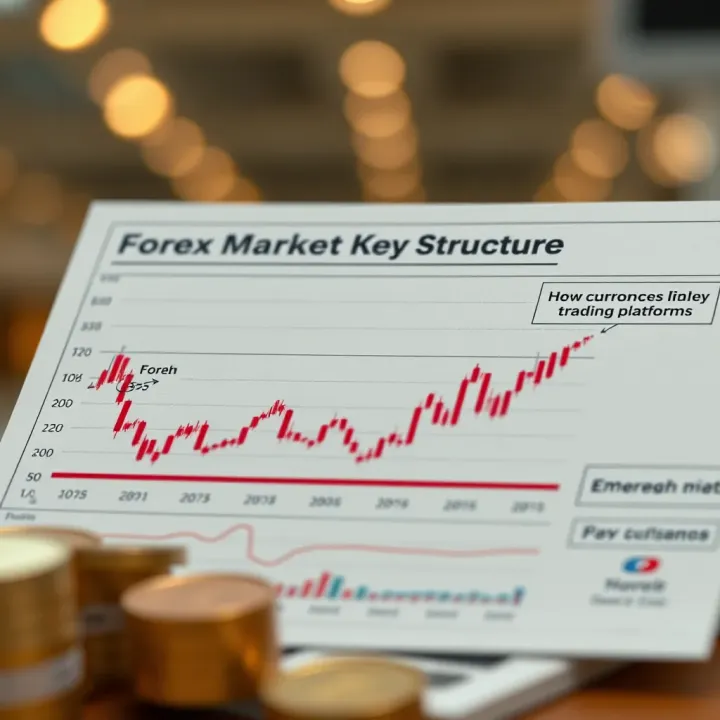
Banks and Financial Institutions: Major players who set prices and provide liquidity.
Central Banks: Such as the Central Bank of Nigeria (CBN), which influence forex markets through policies and interventions.
Retail Traders: Individuals using brokers to access the market, often leveraging platforms like MetaTrader.
Corporations: Engaged in forex to hedge currency risks from international trade.
Accessing forex trading in Nigeria typically involves opening an account with a licensed broker. Many brokers now support local payment channels, allowing deposits and withdrawals in naira. For instance, some traders use platforms linked with Paystack or Flutterwave for smoother transfers.
Remember: brokers vary in regulation and reliability. Always verify their licence status with the Securities and Exchange Commission (SEC) Nigeria or other recognised bodies.
Currency Pair: Two currencies involved in a trade, such as USD/NGN.
Pip: The smallest price move, usually the fourth decimal in most pairs.
Leverage: Borrowed funds that increase buying power but also risk.
Spread: The difference between buying (ask) and selling (bid) prices, representing broker costs.
Trading forex is not just about quick gains. Price swings can wipe out capital fast, especially with high leverage. To protect yourself:
Start with an account size you can afford to lose.
Use stop-loss orders to limit downside.
Stay informed on economic news that impacts currencies, like CBN policies or geopolitical events.
Understanding these basics prepares you to explore forex trading safely and effectively within the Nigerian economic landscape.
Understanding the forex market is the backbone of any successful trading endeavour, especially for Nigerian traders navigating this fast-moving financial space. This market deals with buying and selling currencies, where profitability hinges on informed decisions and timely actions. Before diving into specific strategies, you must grasp what forex entails, how it operates, and why it runs 24/7 globally.
Forex trading, simply put, is the exchange of one currency for another. Traders speculate on currency value changes to make profits or hedge against risks. For example, a Nigerian trader might buy US dollars with naira anticipating the dollar will strengthen, making it worthwhile to convert back later. This activity is not limited to professional banks or governments; retail traders in Nigeria are now increasingly active thanks to fintech platforms like Kuda, OPay, and Flutterwave providing easy access to forex.
The forex market is also enormous compared to other financial markets, with daily trading volumes often exceeding US$6 trillion worldwide. Despite this size, Nigerian traders trade in smaller, manageable volumes according to their capital and risk appetite. Knowing the market's vastness and accessibility puts its opportunities and challenges into perspective.
Currencies are always traded in pairs, like USD/NGN or EUR/USD. The first currency listed is the base, and the second one is the quote. The pair price shows how much of the quote currency you need to buy one unit of the base currency. For instance, if the USD/NGN pair is at 460, it means ₦460 buys US$1.
Trading means speculating whether the base currency will strengthen or weaken against the quote. If you expect the dollar to rise versus the naira, you buy USD/NGN; if you forecast the naira will recover, you sell it. Understanding this interplay helps you read market movements better and plan your trades accordingly.
Unlike stock markets tied to national time zones, forex operates continuously throughout the week. This nonstop cycle happens because global markets in London, New York, Tokyo, and Sydney open and close at staggered hours, passing the trading baton around the globe.
For Nigerian traders, this means you can enter or exit positions at almost any time, perfect for those trading alongside regular jobs or other commitments. However, it also means that market news from outside Nigeria — be it US economic data or European political developments — can suddenly impact NGN pairs, calling for careful monitoring.
The forex market's 24-hour clock is a double-edged sword: it offers flexibility but demands vigilance to avoid unexpected losses.
In summary, understanding these basics about what forex is, how currency pairs work, and the market's global rhythm arms Nigerian traders with a clear foundation. This knowledge is critical before stepping into real trades or choosing brokers and platforms. Forex is not just a market; it’s a dynamic global network where currencies move continuously, reflecting the world’s economic pulse.
Understanding who participates in the forex market helps you grasp its dynamics and how prices move. The market comprises diverse players ranging from giant financial institutions to individual traders like you. Knowing the roles of these participants clarifies where opportunities and challenges lie.
At the top, central banks such as the Central Bank of Nigeria (CBN) influence forex by managing currency reserves and intervening to stabilise the naira when necessary. Commercial banks follow by facilitating forex transactions for clients, including businesses and governments. They provide liquidity and execute large trades, affecting currency prices significantly.
Next are hedge funds and investment firms that trade forex for profit or portfolio hedging. Their huge trades can cause rapid price swings. Multinational corporations also participate by converting currencies to manage international payments, investments, or foreign operations.
Finally, brokers act as intermediaries between retail traders and the broader forex market. They provide trading platforms and access to currency pairs, bridging individual traders and institutional liquidity. Each player’s activity impacts supply and demand, creating the market’s continuous price movement.
Retail traders in Nigeria engage in forex mainly through online brokers that accept the Nigerian naira (₦) for deposits and withdrawals. Many use platforms like MetaTrader 4 or 5, which offer access to major and minor currency pairs, charts, and technical tools.
Since Nigerian traders often face exchange rate volatility and occasional restrictions on forex flows, they tend to monitor CBN’s policies closely. For instance, during periods when the naira weakens sharply, traders might focus on pairs like USD/NGN or EUR/USD to capitalise on price movements.
Additionally, retail traders use leverage carefully; while it amplifies gains, it can also increase losses. For example, a trader starting with ₦50,000 using 1:50 leverage controls ₦2.5 million worth of currency, but a small adverse price move can wipe the account. Therefore, many Nigerian traders combine fundamental analysis (like CBN announcements) with technical charts to plan trades.
Nigerian retail traders benefit from understanding the market’s big players. Knowing how central banks and banks act helps anticipate market moves and manage risks effectively.
Retail forex trading offers flexibility—many trade from home using laptops or smartphones, making it accessible despite Nigeria’s infrastructure challenges. However, success depends on discipline, selecting trustworthy brokers, and understanding market nuances influenced by local and global events.
In sum, traders in the forex market span from global institutions shaping currency flows to retail Nigerians navigating daily opportunities and risks. Being aware of this ecosystem helps you trade confidently and respond better to market changes.
Grasping essential terms and concepts is the backbone of successful forex trading, especially for Nigerian traders navigating volatile markets. These key ideas help you interpret price movements, manage risks, and optimise your trading strategies effectively. Let’s unpack some of the critical terms that often confuse new traders but are indispensable for making informed decisions.
Leverage in forex lets you control a large position with a relatively small amount of money from your trading account. For example, with 1:100 leverage, ₦10,000 controls a trade worth ₦1,000,000. While leverage magnifies profits, it also increases potential losses, so prudent use is vital. Many Nigerian brokers offer leverage levels tailored for local traders, but always check their regulations to avoid excessive risk.
A pip is the smallest unit of price change in currency pairs. For most pairs, one pip equals 0.0001, but for pairs involving the Japanese yen, it's 0.01. Understanding pips lets you calculate how much you gain or lose per trade. For instance, if the USD/NGN pair moves from 460.10 to 460.15, that’s a 5-pip movement.
Spreads represent the difference between the bid (sell) and ask (buy) prices, reflecting broker costs and market liquidity. A tight spread, like 1-2 pips, is preferable as it reduces trading costs. In the Nigerian context, during volatile phases, spreads can widen, so watch this closely because it affects your break-even point.
Forex quotes come as currency pairs, for example, EUR/USD at 1.1050. The first currency is the base; the second is the quote. Here, 1 euro costs 1.1050 US dollars. Knowing which currency you’re buying or selling is critical before placing a trade.
Charts visualise price movement over time, helping you spot trends and entry points. Candlestick charts are popular because they show open, high, low, and close prices within a set period. For example, a green (bullish) candle suggests buying pressure, while a red (bearish) candle reflects selling pressure.
Nigerian traders should combine chart analysis with news from local events — like CBN policy changes or naira fluctuations — since such factors often cause sharp price shifts.
Understanding these terms and chart basics lets you move beyond guesswork. Your trading decisions become grounded in real data and clear market signals, which is essential in forex where every naira counts.
With these basics in your toolbox, you’re better prepared to interpret market information, control your exposure, and plan trades in a measurable way. These concepts form the foundation; building on them steadily will enhance your confidence and results.
Trading forex in Nigeria offers opportunities, but it is not without risks. Understanding these risks is vital to avoid losses that catch many traders off guard. This section highlights market volatility, common mistakes by Nigerian traders, and the importance of managing risk responsibly — all crucial steps to trade more wisely.
The forex market is known for its rapid price swings, often driven by factors like geopolitical tensions, economic data releases, or sudden policy changes from major economies. This volatility can be a double-edged sword. For example, a trader holding US dollar to naira positions could see steep gains or losses within hours if the Central Bank of Nigeria (CBN) adjusts its forex policies unexpectedly.
Volatility means prices don't move smoothly but jump in spikes or drops, making timing and strategy essential. Nigerian traders should watch global events like US Federal Reserve interest rate announcements or oil price shocks closely since these influence the naira dollar exchange rate significantly. Sadly, volatility also attracts speculators who may cause sharp moves, increasing risk for retail traders.
One key mistake is trading with emotions, especially fear or greed. When the market moves against their positions, many rush to close trades at a loss or double down hoping to recover, often increasing losses instead. Another frequent error is ignoring proper research and relying solely on tips from social media or friends. For instance, following unverified forex signals on WhatsApp groups can lead to poor decisions.
Also, Nigerian traders occasionally overlook the impact of leverage. While leverage can amplify profits, it can just as quickly wipe out an account. A ₦50,000 deposit with 100:1 leverage exposes one to ₦5 million worth of currency, magnifying risks drastically. Lastly, failing to use stop-loss orders—a tool that caps potential losses—leaves traders vulnerable to big market swings.
Managing risk is the backbone of lasting success in forex trading. Nigerian traders should establish clear rules, such as risking no more than 2% of their capital on any single trade. This approach shields the account from quick wipeout.
Using tools like stop-loss orders helps contain losses automatically. Besides, diversifying trades across different currency pairs or timeframes can reduce exposure to single market shocks. Keeping a trading journal to track wins, losses, and mistakes can also improve discipline and decision-making over time.
Remember: Trading without a risk management plan is like crossing Lagos traffic blindfolded—it’s just waiting for disaster.
Sound risk management protects your capital and keeps trading sustainable, especially since markets in Nigeria can be affected by local factors like naira devaluation, fuel scarcity affecting business costs, and embargoes impacting liquidity. A trader aware of these challenges and prepared with practical safeguards will navigate forex with greater confidence and control.
Forex trading offers a promising avenue for many Nigerians seeking additional income or investment diversification. However, knowing how to start properly can make the difference between success and losses. This section covers the essentials that beginners in Nigeria should focus on to build a solid trading foundation.
Your choice of broker directly affects trading ease and fund safety. Look for brokers that accept deposits and withdrawals in Nigerian Naira (₦) to avoid excessive conversion charges. Brokers like FXTM and HotForex offer NGN accounts for Nigerians. Check if the broker is regulated by recognised bodies such as the Securities and Exchange Commission (SEC) Nigeria or international regulators like the FCA or CySEC. Confirm the broker's reputation through reviews and user feedback to avoid scams.
Opening a forex trading account usually involves providing identification like your National Identity Number (NIN) and proof of address. The process is straightforward with most reliable brokers offering user-friendly web and mobile platforms. Essential tools include a trading platform (MetaTrader 4 or 5 are common in Nigeria), real-time price charts, and an economic calendar to track market events. Ensure your internet connection is stable, especially because Nigerian power supply can be unpredictable; a good backup power source helps to avoid interruptions during live trading.
New traders should start with simple strategies rather than jumping into complicated systems. For example, using support and resistance levels to enter and exit trades can be effective. Also, practise with demo accounts before risking real money. Keep your position sizes small to manage risk effectively. Study how economic events affect currency pairs like USD/NGN or EUR/USD, especially during the ember months when the Nigerian economy experiences volatility due to demand spikes and exchange rate pressure.
Forex trading in Nigeria is legal but regulated. The Nigerian SEC oversees capital market activities including forex brokerage firms. Brokers must register and comply with Nigerian laws to operate legitimately. Avoid unregulated brokers, especially those promising guaranteed returns or unusually high profits. The Central Bank of Nigeria (CBN) also keeps an eye on forex flows to manage naira stability. Understanding these regulations helps protect your investments and avoid penalties.
Nigerian forex trading is growing steadily, but it requires careful broker selection, sound preparation, and adherence to regulations. Starting with the right knowledge and tools can save you from common pitfalls and set a path towards consistent profitability.
By keeping these starting points in mind, Nigerian traders can engage the forex market with confidence, navigating local challenges while taking advantage of global opportunities.
🤖 Discover how forex trading robots use market data and algorithms to automate trades. Learn their benefits, risks, and tips Nigerians need before investing ₦ in forex.
Explore derivative trading basics, types, and risks 📈. See how Nigerian investors can navigate these contracts on stocks, commodities & currencies for smart gains ₦!
Discover practical tips on forex trading in Nigeria 🇳🇬, including key regulations, common challenges, and how technology is shaping ₦trading for local traders.
🌍 Ready to start forex trading in Nigeria? Learn how to pick trusted brokers, avoid scams, handle ₦ risks, and follow CBN rules for safe profits. 📈
Based on 9 reviews