
Advantages of Forex Trading Explained
Discover key benefits of forex trading in Nigeria 🇳🇬: easy market access, high liquidity, flexible hours, profit potential, and smart risk management options 📈💰
Edited By
Charlotte Hughes
Forex trading has become a growing interest among Nigerians hoping to tap into the global currency market. Unlike traditional stock trading, forex (foreign exchange) involves buying and selling pairs of currencies like the US dollar against the euro or the naira against the pound. The goal is to profit from changes in exchange rates caused by economic trends, political events, and market sentiment.
Starting forex trading in Nigeria requires more than just opening an account with any broker. The market moves quickly, and risks can be significant if you trade without proper knowledge or trusted platforms. For example, many new traders fall victim to scams by unregulated brokers who disappear with their deposits. That’s why understanding the local regulations, especially those issued by the Central Bank of Nigeria (CBN), is a must.
To succeed in forex trading, you must combine proper education, smart broker selection, risk management, and compliance with Nigerian financial laws.
Before jumping in, here are key points to keep in mind:
Know the market basics: Learn how forex pairs work, what influences price movements, and the role of leverage.
Choose your broker carefully: Look for brokers approved by Nigerian authorities or reputable international firms with a presence in Nigeria.
Manage your risks: Use stop-loss orders and trade within your financial limits to avoid huge losses.
Stay updated on regulations: The CBN occasionally updates rules affecting forex trading and foreign exchange controls.
For instance, many Nigerian traders prefer platforms like FXTM, HotForex, or Alpari due to their transparency and flexible terms. They also support trading in naira, avoiding unnecessary currency conversion costs.
Starting small is wise. Open a demo account first to practise without risking real money. Gradually move to live trading only when you fully understand market signals and platform functions.
In summary, forex trading in Nigeria can offer profits if approached with care and strategy. This article will guide you through the essential steps to kick-start your trading journey, helping you avoid common pitfalls and become a knowledgeable market player.
Getting a solid grip of forex trading basics is vital for anyone stepping into Nigeria’s currency market. It’s not just theory; knowing the nuts and bolts helps you navigate the volatile market better and avoid costly mistakes. If you don’t understand what you’re dealing with—how trades are made, what drives price changes, or what technical terms mean—you risk losing your investment fast. Learning these basics builds a strong foundation that supports smarter decisions and enhances your chances of profit.
Definition of forex trading: Forex trading means buying and selling currencies on the global market to earn from changes in exchange rates. Imagine you think the euro will strengthen against the dollar; you buy euros with dollars today and sell later when the euro’s value rises. The difference is your profit. Nigerian traders engage in forex trading using online platforms connected to brokers, allowing access to this vast, constantly moving market.
Forex trading is popular because it’s accessible 24/5 and does not rely on owning physical assets. Unlike the stock market, forex is all about currency value shifts across different countries, offering many chances to trade if you know how to spot market moves.
How currency pairs work: Every forex trade involves two currencies, known as a currency pair—for example, EUR/USD. The first is the base currency, the second the quote currency. When you buy the pair, you’re buying the base currency and selling the quote currency. For instance, if EUR/USD moves from 1.10 to 1.12, the euro has gained against the dollar.
This pairing system means that the value of one currency is always expressed relative to another. Understanding this relationship is key to predicting how currency values might change based on global economic news or events.
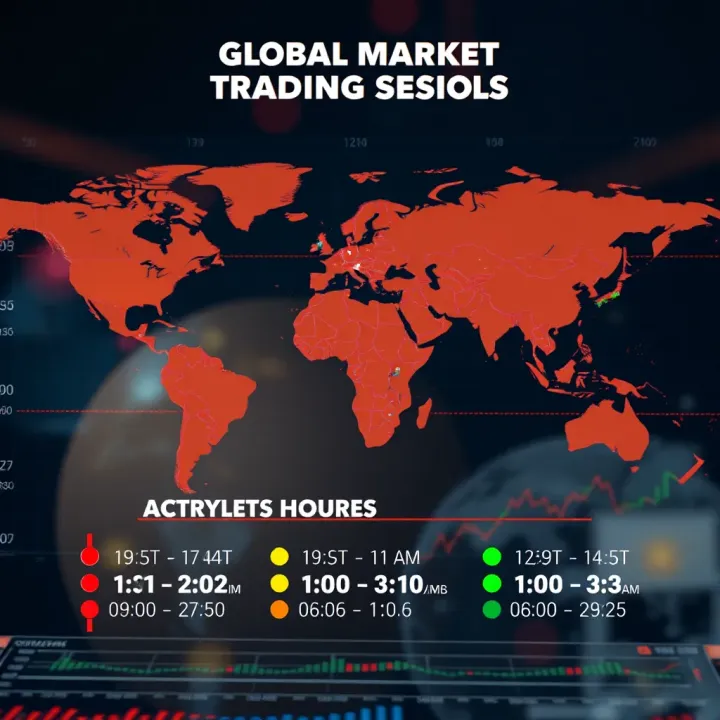
Trading hours and market structure: The forex market operates 24 hours a day, starting in Sydney, then moving through Tokyo, London, and New York as business hours overlap. This continuous operation allows Nigerian traders to pick times that suit them, whether during the night or day.
Knowing active trading hours matters because market liquidity and volatility vary. For example, the London-New York overlap sees large price swings and tighter spreads, ideal for active trading strategies. Familiarity with market sessions helps traders plan and avoid trading during low-activity periods when price movements may be unpredictable.
Pips, lots, and leverage: A pip is the smallest price change a currency pair can make, often the fourth decimal place. If EUR/USD moves from 1.1000 to 1.1001, that’s one pip. Pips measure your profit and loss.
A lot is a standard unit of trade size, typically 100,000 units of the base currency, but many brokers offer mini or micro lots (10,000 or 1,000 units) to suit smaller traders. Leverage lets you control a larger position with small capital — for example, with 1:100 leverage, ₦10,000 controls ₦1,000,000. While leverage can boost gains, it also increases risk, sometimes wiping out your account quickly if the market moves against you.
Bid and ask prices: The bid price is what buyers will pay for a currency, while the ask price is what sellers want. For example, if GBP/USD shows a bid of 1.3800 and an ask of 1.3803, you buy at 1.3803 and sell at 1.3800.
Understanding bid and ask helps you know exactly how much you’ll pay or receive when entering or closing a trade, crucial for timing and profit calculation.
Spread and margin explained: The spread is the difference between the bid and ask price; it’s how brokers earn money aside from commissions. Tighter spreads, like 1-2 pips on major pairs, reduce your trading costs.
Margin is the amount of money your broker requires to open a leveraged trade. If you want to control ₦100,000 with 1:50 leverage, your margin is ₦2,000. Proper margin and spread management keeps your trades sustainable and reduces chances of a margin call.
Knowing these basics helps you not just trade but trade smartly and safely, especially in Nigeria’s lively market where forex scams exist. Master the language and structure of forex trading to build confidence and safeguard your funds.
This section gives you the groundwork to understand how forex trading works practically and prepares you for setting up your trading activities. Keep these principles close as we explore broker selection and strategies ahead.
Setting up properly is a fundamental step before you begin trading forex in Nigeria. It helps you build a solid foundation, avoid scams, and maximise potential profits. Without careful setup, Nigerians risk losing money due to unreliable brokers, hidden fees, or regulatory pitfalls.
When selecting a broker, you should check several factors to ensure safety and convenience. Look for brokers with transparent fee structures, good trading platforms, fast customer support, and easy deposit/withdrawal options. For example, a broker offering MetaTrader 4 with a clean interface and demo accounts can help you practise before committing real funds.
Regulatory compliance is particularly important for Nigerian traders. The Central Bank of Nigeria (CBN) does not licence forex brokers directly, but the Securities and Exchange Commission (SEC) oversees some aspects of forex activities. Choosing brokers registered or recognised by reputable bodies like the Financial Conduct Authority (FCA) of the UK or the Cyprus Securities and Exchange Commission (CySEC) offers an extra layer of protection against fraud.
Popular brokers serving Nigerian traders include FXTM, HotForex, and Alpari. These firms have established Nigerian user bases, support local payment methods, and are known for meeting regulatory standards internationally. They also usually provide local customer service which significantly eases communication.
Opening a live forex trading account in Nigeria typically involves submitting identification like your National Identity Number (NIN), proof of address, and sometimes a completed form on the broker’s website. Some brokers require a minimum deposit to activate the account—this varies widely but is often around ₦10,000 to ₦50,000, making it accessible for many Nigerians.
Funding options for Nigerian traders include bank transfers, debit cards, and popular fintech solutions like Paystack or Flutterwave. Some brokers also accept deposits via local Nigerian banks for faster processing, which is a big convenience considering sometimes international transfers can take several days.
Currency conversion and transfer fees can significantly impact your trading capital. When funding your account, be aware that brokers might require deposits in US dollars or euros. Converting naira to foreign currency attracts charges, on top of bank or payment platform fees. For instance, a ₦50,000 deposit might cost you an extra ₦2,000–₦3,000 due to conversion costs, so factoring these fees into your initial investment is necessary.
Setting up correctly saves you stress and unexpected losses. Take time to research brokers, understand local payment options, and prepare your documentation before starting to trade forex in Nigeria.
By focusing on these practical steps, you ensure your entry into forex trading is safe and efficient, giving you a better chance of success in this fast-paced market.
Mastering forex trading in Nigeria demands more than just picking currencies; it requires solid strategies paired with strict risk management. These elements help traders withstand market swings, avoid severe losses, and capitalise on profit opportunities. A well-planned approach sharpens your edge in the competitive currency market and protects your investment capital against rapid naira fluctuations and unexpected global shocks.
Technical analysis relies on historical price data and trading volume to predict future currency movements. Using charts and indicators like moving averages or the Relative Strength Index (RSI), traders identify trends and entry points. For example, spotting a strong uptrend in the USD/NGN pair may encourage a trader to buy while momentum remains positive. Technical skills are essential for short-term traders who want to capitalise on market patterns rather than economic news alone.
Fundamental analysis examines economic data, central bank policies, political developments, and trade relations. In Nigeria, announcements by the Central Bank of Nigeria (CBN) — such as changes to interest rates or forex intervention policies — significantly impact currency values. Traders tracking economic indicators like inflation, oil prices, or GDP growth can anticipate currency shifts caused by Nigeria’s export-dependent economy. For instance, a sudden drop in oil prices often weakens the naira due to Nigeria's reliance on oil revenue.
These styles suit different trader profiles and timeframes. Scalpers execute numerous trades within minutes, aiming for small profits on quick price moves. Day traders hold positions for hours, closing all before the market closes to avoid overnight risks. Swing traders hold trades for days to capture broader trends. Each approach demands discipline, and Nigerian traders should choose based on their schedule, risk tolerance, and market understanding. For example, carrying out scalping during volatile periods like ember months may be riskier but potentially rewarding if well-managed.
Stop-loss orders automatically close a losing trade at a predetermined price, limiting losses. For a Nigerian trader, this protects against sharp naira drops or geopolitical surprises. Say you bought EUR/USD at 1.1200 expecting a rise but fear sudden reversal; setting a stop-loss at 1.1150 limits your loss to 50 pips instead of risking a much larger drawdown. This simple tool is vital to preserve capital over time.
Leverage magnifies both gains and losses. In Nigeria, where volatility can be intense, over-leveraging is a common pitfall. Keeping leverage low — for example, 1:10 instead of 1:100 — means your losses remain manageable. Similarly, never risk more than 1–2% of your trading capital on a single trade. If your account has ₦100,000, a trade risking ₦1,000 to ₦2,000 is safer, avoiding blowing your account on one wrong move.
Discipline often distinguishes successful traders. Following an established plan, resisting emotional decisions, and avoiding chasing losses ensure long-term growth. Nigerian traders especially must exercise restraint during speculative periods or after big wins. Sticking to your entry and exit rules, and not overtrading when danfos block your morning commute, keeps your trading consistent. Winners aren't always the smartest but those who control their emotions.
Consistent strategies combined with solid risk controls make the difference between steady forex profits and catastrophic losses. Building good habits early, especially in Nigeria’s dynamic market, saves you severe headaches later.
When stepping into forex trading in Nigeria, understanding the legal landscape and practical matters is non-negotiable. This knowledge safeguards your capital, ensures compliance with government rules, and helps you avoid costly mistakes. Many traders overlook these aspects and end up facing legal troubles or falling victim to fraud. By being well-informed, you can trade confidently under Nigerian laws and protect your investments.
The Central Bank of Nigeria (CBN) is the primary regulator of the forex market in Nigeria. It establishes policies that control the inflow and outflow of foreign currency, aiming to stabilise the naira and curb illegal forex dealings. For traders, this means the CBN sets the boundaries within which forex activities should occur.
The CBN's oversight also includes licensing authorised dealers, such as banks and forex bureaux, that facilitate currency exchange. If you are trading forex, working with brokers who comply with CBN regulations is safer because they operate within officially recognised channels.
CBN policy frequently adjusts rules on forex access and repatriation of funds. For example, the CBN restricts access to foreign currency for imports in some sectors to manage the naira’s exchange value. These policies can affect your ability to withdraw profits in foreign currency or fund your account.
Understanding these rules helps you plan your trading and cash flow. For instance, some brokers offer local currency (₦) funding and withdrawals to navigate these restrictions, which can minimise costly conversion charges or delays. Staying updated on CBN forex policies reduces surprises when moving money.
Forex scams are rampant in Nigeria, with many fake platforms promising quick riches. Regulatory bodies like the CBN and Securities and Exchange Commission (SEC) warn traders to verify brokers’ licences before investing.
Be cautious if a broker guarantees unrealistic returns or pressures you to invest large sums hastily. Always confirm the broker’s registration with Nigerian authorities or globally recognised regulators. Using brokers with transparent operations and good reviews lowers your risk.
Always remember: if it sounds too good to be true, it probably is. Protect your funds by dealing only with regulated brokers and avoiding unsolicited offers.
Profits from forex trading in Nigeria are considered taxable income by the Federal Inland Revenue Service (FIRS). Though forex trading isn’t heavily publicised in tax guides, traders must account for gains as part of their personal or business income.
Failing to declare forex profits can lead to penalties or audits. Therefore, understanding your tax responsibility helps you budget accordingly and avoid issues with tax authorities later on.
Keeping thorough records is key to managing your tax obligations and tracking your trading performance. Save trade confirmations, account statements, funding and withdrawal receipts, and communication with your broker.
Using digital tools or spreadsheets to log trades — dates, amounts, profits, losses — simplifies tax calculations and helps if you ever face queries from tax officials. This discipline also improves decision-making by showing which strategies work best for you.
When filing taxes, declare your forex income clearly and maintain supporting documents. If unsure about filing forex profits, consult a tax professional experienced with investment income.
Engaging professionally with FIRS ensures you meet your obligations without overpaying. It also builds a precedent of compliance, which can be beneficial if your trading grows in scale or you diversify into other financial ventures.
Being proactive about tax and record-keeping removes guesswork and keeps you in good standing with Nigerian authorities.
These legal and practical steps aren’t just bureaucracy; they protect your bankroll, reduce stress, and keep your trading journey sustainable. Nigerian regulations shape your trading environment, so understanding and respecting them is essential for lasting success.
Building confidence in forex trading is not about luck, but consistent learning and practice. The forex market moves fast, and understanding how to react under pressure comes from hands-on experience and staying informed. Nigerian traders often start uncertain, but those who commit to continuous learning tend to avoid costly mistakes and build a solid trading routine that matches their goals and risk appetite.
Demo accounts offer a safe space for newbies to test trading strategies without risking real money. These virtual accounts mimic real market conditions, so you get to understand how currency pairs move, how spreads affect you, and how leverage can amplify gains or losses. For example, a trader in Lagos could spend weeks on a demo account observing how the USD/NGN rate reacts before committing actual funds.
Transitioning from demo to live trading should be gradual. Start with small trade sizes and realistic expectations, acknowledging that emotions like fear and greed will be stronger when your own money is involved. A disciplined trader might set a maximum daily loss limit and stick to it, avoiding the temptation to recover losses by reckless trades. This approach helps smooth the learning curve from practice to actual trading.
There are several online courses and books designed for Nigerian traders that explain forex basics, technical analysis, and risk management with relevant local examples. Books like Forex for Ambitious Beginners by Jelle Peters or online platforms such as BabyPips provide easy-to-understand lessons tailored for beginners and intermediate traders.
Joining local forex trading groups on social media platforms allows you to connect with experienced traders who share insights on broker reviews, market trends, and risk tips. For instance, communities on WhatsApp or Telegram often discuss how the Central Bank of Nigeria policies impact trading. Participation in these groups helps sharpen your strategies and provides support when facing challenges.
Staying updated with market news is vital because global events directly influence currency values. Following trusted sources and financial news from Bloomberg, Reuters, or Nigerian business news outlets keeps you aware of factors like oil price shifts, CBN announcements, or changes in US interest rates. Being informed allows you to anticipate market moves and adjust your trades accordingly.
Continuous learning and practiced confidence are what separate successful Nigerian forex traders from the rest. Use every tool and resource available to build your skills steadily and trade with conviction.
Discover key benefits of forex trading in Nigeria 🇳🇬: easy market access, high liquidity, flexible hours, profit potential, and smart risk management options 📈💰
Discover how the Asian forex trading session works from Nigeria 🇳🇬. Learn trading hours, market behavior, and strategies tailored for Nigerian traders 📉📈.
📅 Discover how forex market hours work in Nigeria with a focus on Sunday trading sessions. Learn key tips, global time impacts, and liquidity factors to trade smartly.
Discover how to pick the best trading platform in Nigeria 🇳🇬. Learn about key features, costs, security & regulations to trade with confidence 💹📊.
Based on 6 reviews