
Advantages of Forex Trading Explained
Discover key benefits of forex trading in Nigeria 🇳🇬: easy market access, high liquidity, flexible hours, profit potential, and smart risk management options 📈💰
Edited By
Thomas Reed
Forex trading robots have caught the attention of many traders, investors, and entrepreneurs in Nigeria looking to profit from the foreign exchange market without spending hours monitoring charts. These robots, often sold as software tools or services, automate trading decisions by applying pre-programmed algorithms to real-time currency market data.
At their core, forex trading robots analyse currency pairs — such as USD/NGN or EUR/USD — to identify potential trading opportunities. They execute buy or sell orders automatically based on set rules without needing constant human input. This automation appeals greatly to Nigerians managing multiple responsibilities or those who want to avoid emotional decisions common in manual trading.
However, while the promise of quick profits and less stress sounds appealing, it's essential to understand how these robots really work and what risks come with relying on them.
Automated does not mean foolproof. Market volatility, unexpected events, and software glitches can lead to losses.
Forex robots use indicators and technical analysis tools like moving averages, Relative Strength Index (RSI), or Bollinger Bands to time entries and exits in the market. They scan price movements relentlessly, faster than any human could.
Some robots use historical data to 'learn' patterns, while others follow strictly coded instructions. The key difference is that machines do not consider economic news or geopolitical events unless explicitly programmed.
Time-saving: They reduce the need for continuous market monitoring.
Emotion-free: Robots stick to rules, avoiding impulsive trades caused by fear or greed.
Accessibility: Many forex robots are affordable, making automated trading reachable for small traders in Lagos or Abuja.
Not all forex robots are built equally; some are scams or poorly coded.
They perform best in stable market conditions but can fail during high volatility, especially in emerging market currencies like the naira.
Proper risk management settings and trial periods are crucial before committing real funds.
Whether you’re a broker advising clients, an investor diversifying portfolios, or an entrepreneur exploring new projects, understanding the workings and limitations of forex trading robots will empower you to make informed decisions.
In this article, we will break down the different types of forex robots, their advantages and disadvantages, and practical tips tailored for Nigerian traders navigating the forex scene.
Understanding how forex trading robots operate is essential for Nigerian traders eager to optimise their investment strategies. These robots rely on programmed algorithms that analyse market data and execute trades automatically, reducing the need for constant manual oversight. With volatile currency pairs and fluctuating naira exchange rates, having an efficient system to manage trades can be a practical advantage.
At the core, these robots use algorithms to study price movements, historical trends, and various technical indicators like moving averages or RSI (Relative Strength Index). Algorithms sift through hundreds of data points swiftly, identifying patterns that suggest profitable buy or sell opportunities. For example, if a currency pair like USD/NGN shows signals of a short-term upward trend, the algorithm flags this and prepares to act accordingly.
The practical benefit here is speed and consistency. Humans may hesitate or react emotionally, especially during sudden naira devaluations or uncertain economic news. Robots, however, stick to their coded rules, analysing market trends without fatigue or distraction.
When it comes to order execution, once the algorithm generates a trading signal, the robot submits orders directly to the market without delay. This process involves sending buy or sell commands to the broker’s server, ensuring trades happen instantly at the quoted prices. For instance, if the algorithm detects a short window to capitalise on fluctuations caused by Central Bank of Nigeria (CBN) policy announcements, the robot can enter or exit positions in seconds—something difficult for a human trader to replicate consistently.
Forex trading robots typically operate through popular platforms like MetaTrader 4 or MetaTrader 5, widely used in Nigeria. These platforms support Expert Advisors (EAs), the software that runs the robot's algorithm. Compatibility ensures easy installation and operation without needing complex technical expertise. Besides, MetaTrader provides real-time data feeds and charting tools supporting precise algorithmic decision-making.
Connecting robots to brokers popular among Nigerian traders requires additional attention. Most brokers operating in Nigeria, including international ones with Nigerian clients, offer integration with MetaTrader platforms. However, ensuring the robot can interact smoothly with the broker’s execution system matters to avoid delays or connectivity issues. It’s common practice to test new robots with demo accounts on the chosen broker’s platform first to verify compatibility and performance under simulated market conditions.
For Nigerian traders, understanding these basic operational aspects prevents overreliance on black-box solutions and fosters smarter, more controlled use of trading robots.
In summary, forex trading robots analyse market trends using algorithms and execute trades automatically via integrated platforms like MetaTrader. Nigerians considering these tools should prioritise software that aligns well with their preferred brokers and market conditions to maximise efficiency and minimise trading risks.
Forex trading robots bring several advantages that appeal to Nigerian traders seeking to maximise efficiency and reduce errors. Their ability to quickly analyse data, execute trades, and operate continuously sets them apart from manual trading. These systems can help users navigate volatile currency markets and reduce common human pitfalls such as emotional bias. Below is a detailed look at key benefits.
Forex trading robots act faster than any human can when responding to market changes. In volatile markets—like during sudden shifts in the naira-dollar exchange rate—robots execute trades immediately according to pre-set criteria. This rapid execution can capture small price movements that manual traders might miss due to slower reaction times. For instance, if a robot detects a brief dip in the EUR/USD price, it can buy or sell within milliseconds, helping Nigerians capitalise on fleeting opportunities.
Moreover, robots handle multiple currency pairs simultaneously, a feat difficult for individual traders without automated help. This efficiency enables diversifying trading efforts without losing speed.
One major challenge in manual forex trading is controlling emotions, which often lead to impulsive decisions such as panic-selling during a downturn or greedily holding on too long. Automated trading robots remove these emotions from the equation. They follow strict algorithmic rules without hesitation or doubt.
For example, if a robot's strategy calls for selling once a currency pair hits a certain stop-loss level, it will do so without second-guessing, thus protecting traders from potential heavy losses driven by fear or hope. This disciplined approach is particularly helpful for Nigerian traders who might be new to forex or under emotional pressure from other financial stresses.
The forex market runs round the clock, but Nigerian traders operate mostly within fixed business hours. Trading robots can monitor markets continuously, including outside Nigerian active trading hours. This means they won’t miss trading chances caused by global market moves in Asia or the US overnight.
For instance, while a Nigerian trader sleeps, a robot can spot and respond to breaking news affecting currency prices. This persistent watchfulness increases trading opportunities and helps manage risks better. It also suits Nigerians balancing forex trading with other commitments, allowing steady market participation without constant personal attention.
Using forex trading robots is not a magic bullet, but their speed, impartiality, and non-stop operation offer significant advantages that can improve trading outcomes, especially in Nigeria's dynamic market environment.
These benefits explain why many Nigerian traders consider forex robots a helpful tool for supplementing their trading strategies when used wisely and cautiously.
Forex trading robots bring automation and speed, but they come with risks that traders in Nigeria must understand before relying on them heavily. Recognising these pitfalls can help you protect your investment and avoid costly mistakes. The full effectiveness of these robots depends on market behaviour and technical reliability, which aren’t always guaranteed. Below are some key risks and limitations to consider.
Most forex robots base their trades on historical data and previous market patterns. This reliance means they perform well when markets behave predictably, but can falter sharply during unexpected or unprecedented events. For example, sudden political developments or Nigeria’s Central Bank monetary policy announcements can cause spikes in volatility that a robot may not adapt to quickly.
When the market shifts in ways not reflected in past data, the robot’s algorithm may trigger wrong signals or fail to exit positions timely. This could lead to significant losses, especially if the robot continues to trade without human oversight during these periods.
Forex robots operate via software connected to trading platforms and internet networks. Any disruption in connectivity can cause delayed order execution or failure to close trades when necessary. Nigeria’s frequent power interruptions and unstable internet in certain areas raise the stakes here.
Moreover, software bugs or glitches within the robot itself can cause erratic behaviour. For instance, a fault might lead the robot to open several positions simultaneously against risk limits or ignore stop-loss orders. Traders need to be prepared for these technical setbacks and monitor their systems regularly.
Some developers backtest their robots using historical data to fine-tune settings for past market conditions. While this can improve past performance on paper, it often results in over-optimisation—where the robot matches the old data too closely but fails in live markets.
Traders relying only on backtested results may develop unrealistic expectations of profits. In reality, market dynamics evolve constantly, and a robot optimised for one period can underperform or even incur losses in future conditions. Nigerian traders should approach backtested claims cautiously and test robots in demo environments before committing funds.
Always remember: no robot can guarantee profits, and human monitoring remains essential to catching unexpected behaviour early.
By understanding these limitations, Nigerian traders can better manage risks and make more informed choices about which forex robot to use and how to integrate it safely into their trading strategy.
Forex trading robots come in various types that suit different trading styles and preferences. For Nigerian traders, understanding these distinctions helps in selecting a robot that matches their risk appetite, budget, and level of involvement. The choice between free and paid robots, customisable versus fixed strategy options, and knowing which robots enjoy good reputation locally can influence trading success and reduce costly mistakes.
Free forex robots are appealing to beginners or those testing the waters without committing capital upfront. These robots often offer basic functions and operate on popular platforms like MetaTrader 4 or 5. However, the downside is that many free robots lack regular updates or customer support, and some might underperform due to outdated algorithms. Nigerian traders should be cautious not to fall for free robots promising unrealistic returns without proper verification.
Paid robots, on the other hand, come with a price tag reflecting ongoing development, optimisation, and sometimes backtested results verified by independent reviews. Investing between ₦20,000 and ₦150,000 for a reliable paid robot is common in Nigeria. Paid versions often include regular software updates, better risk management features, and seller support, which can be very helpful especially for those new to algorithmic trading.
Customisable robots give traders control over certain parameters, such as stop-loss limits, take-profit levels, and even specific trading indicators. This flexibility allows users to tailor the robot’s behaviour to current market conditions or personal trading goals. For example, a Nigerian trader anticipating volatility during a major political event might adjust settings to reduce exposure. However, customisation calls for some trading knowledge; without it, the robot could be set improperly, leading to losses.
Fixed strategy robots operate on predefined algorithms without user input on strategy. They are generally easier to use because traders only need to install and set the robot running. Yet, their rigidity means they might not adapt well in dynamic markets or during black swan events affecting the forex market. For Nigerian retail traders who prefer hands-off trading with minimal decision-making, fixed robots provide simplicity but at the cost of adaptability.
Several forex trading robots have gained traction among Nigerians, partly due to positive reviews and success stories shared on trading forums and social media. Popular options include Forex Fury and FapTurbo, known for automated strategies compatible with MetaTrader. Forex Fury features a set-and-forget system with adjustable risk levels, while FapTurbo offers both fixed and somewhat customisable settings.
Additionally, some Nigerian fintech startups have begun integrating forex robot-like features within platforms such as OPay and PalmPay, helping everyday users access automated trading without needing standalone software. These new entries reflect growing interest but also highlight the need for due diligence before trusting a robot with real money.
Choosing the right type of forex trading robot involves balancing cost, control, and reliability. Nigerians should start small, preferably using demo accounts, while paying close attention to user feedback and software support to avoid costly mistakes.
Using forex trading robots safely is essential for Nigerian traders to protect their capital and avoid common pitfalls in the fast-moving forex market. While these automated tools offer convenience, their misuse can lead to costly losses. Understanding how to choose reliable software, test performance first, and manage risks can make a significant difference. For example, a trader in Lagos who jumped straight into live trading without proper checks might lose money quickly, especially if the robot uses unsuitable strategies or runs into technical issues.
Picking the right forex robot starts with thorough research on software providers. It pays to verify genuine reviews and feedback from other Nigerian traders. Many online forums and communities discuss robot performance, but you must distinguish honest opinions from paid promotions. For instance, a reputable robot may boast thousands of satisfied users across Nigerian trading platforms like FXTM or OctaFX, while dubious vendors often lack a track record or provide vague guarantees.
Checking if the software vendor offers clear support channels, transparent terms, and easy withdrawal options helps avoid scams. Since many forex robots are available for free and paid versions, comparing user experiences will guide you on the best fit for your trading goals.
Demo accounts let you test forex robots without risking real Naira, making them invaluable for beginners or traders trying a new strategy. These accounts simulate actual market conditions with virtual funds, allowing you to observe how the robot performs in different scenarios.
For example, you could run a robot on a demo account through a wave of market volatility triggered by a central bank announcement without worrying about losses. This trial helps confirm if the robot follows its stated approach, reacts properly to market changes, and aligns with your risk tolerance.
Using demo accounts severally before going live also builds confidence and fine-tunes settings, helping avoid sudden financial shocks.
Even the best forex robots need boundaries to shield your investments. Setting stop-loss limits is a practical way to cap potential losses on trades the robot opens. Many Nigerian brokers’ platforms support this feature, giving you control over how much your account can lose in a single trade.
Additionally, managing investment size per trade is critical. Instead of allocating an entire ₦200,000 account to one robot trade, breaking it down into smaller chunks reduces exposure to a single bad move. For instance, risking 2–3% per trade can keep your capital safe while still allowing the robot to work steadily.
Effective risk management through stop-losses and careful capital allocation ensures your trading robot works for you, not against you, especially in unpredictable forex conditions.
Applying these safety steps will help Nigerian traders make smarter decisions when automating forex trades, reducing avoidable losses and enhancing the chances for consistent returns.
Discover key benefits of forex trading in Nigeria 🇳🇬: easy market access, high liquidity, flexible hours, profit potential, and smart risk management options 📈💰
Learn how mitigation in forex trading helps manage risks and protect investments 💹 Discover strategies, tools, and tips to minimize losses in Nigeria's currency market.
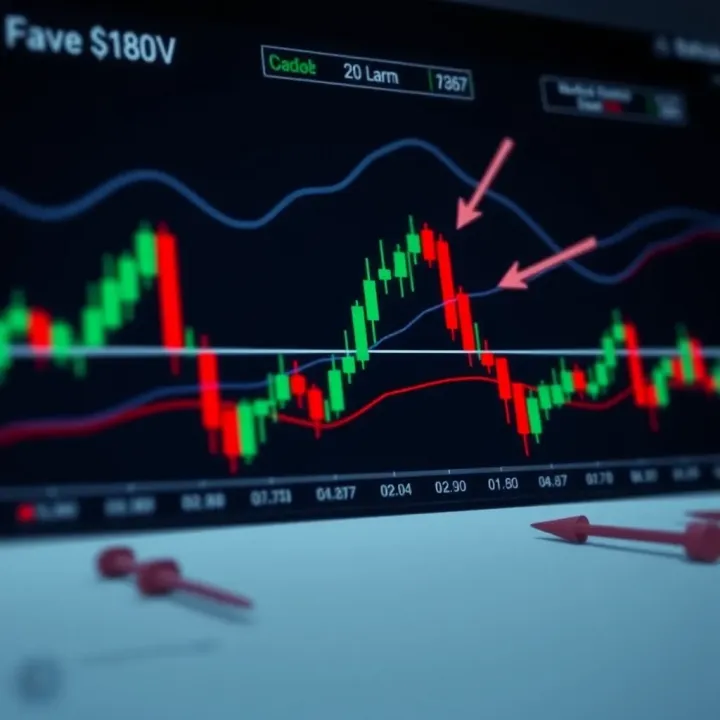
📊 Learn how deviation in forex trading affects your orders, what causes it, and practical ways to manage risks and protect your trades from sudden price shifts.
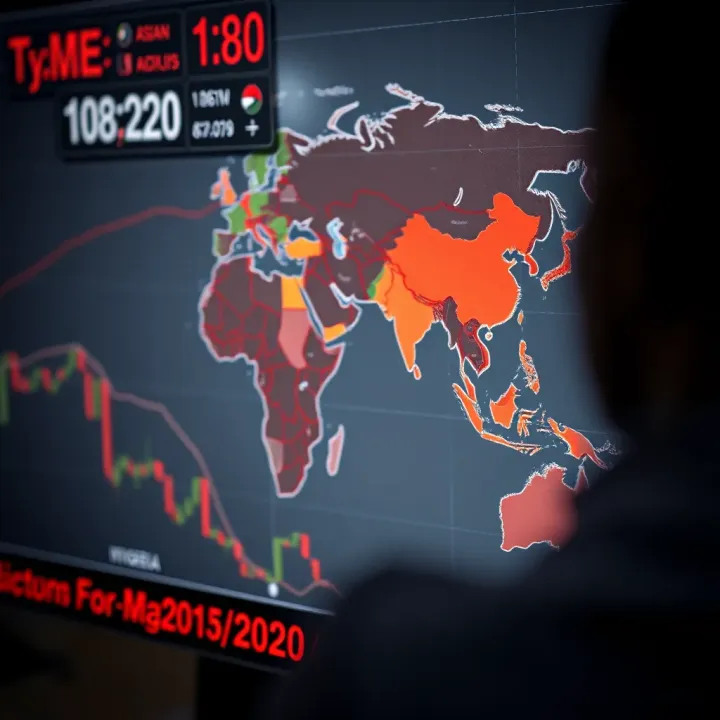
Discover how the Asian forex trading session works from Nigeria 🇳🇬. Learn trading hours, market behavior, and strategies tailored for Nigerian traders 📉📈.
Based on 6 reviews