
Understanding IQ Option Trading for Nigerian Traders
📈 Learn how to trade on IQ Option smartly in Nigeria. Get steps for setup, spot risks, and trade wisely to protect your ₦. Practical tips for Nigerian traders inside!
Derivative trading refers to contracts whose value depends on an underlying asset such as stocks, commodities, currencies, or even indices. For Nigerian investors, understanding these financial instruments can open doors to more strategic investment approaches beyond traditional buying and holding of shares.
At its core, a derivative is an agreement between two parties to buy or sell an asset at a predetermined price and date. This agreement itself has value, which changes with fluctuations in the underlying asset’s price. For instance, a futures contract on crude oil lets investors speculate or hedge based on how oil prices move in the coming months.
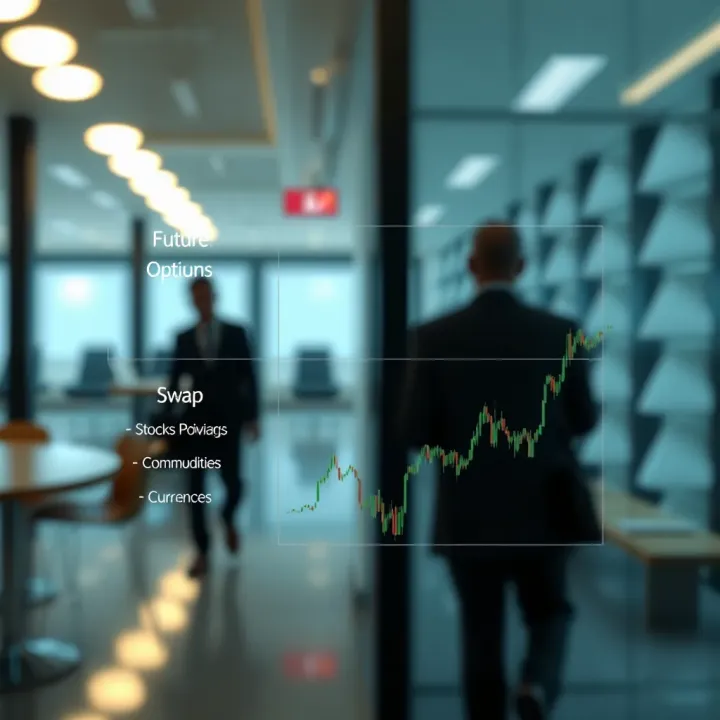
Unlike straightforward stock transactions, derivative trading allows investors to:
Speculate on price movements without owning the actual asset
Hedge against risks in other investments, like protecting a stock portfolio from market swings
Access leverage, meaning they can control a bigger position with a smaller amount of capital
In Nigeria, the financial market ecosystem around derivatives is still developing, but platforms underpinned by the Nigerian Stock Exchange (NGX), and regulatory bodies like the Securities and Exchange Commission (SEC), have begun encouraging derivative products. This offers new opportunities for investors to diversify and manage risks more effectively.
Understanding how derivatives work in practice is critical. Without proper knowledge, the leverage effect can magnify losses quickly – a risk particularly relevant given the volatility of both global commodities and the naira exchange rate.
Several derivative types exist, but four main kinds Nigerian investors should be aware of include:
Futures contracts: Agreements to buy/sell an asset at a set price on a future date.
Options contracts: Provide the right, but not obligation, to buy or sell an asset before expiry.
Swaps: Contracts to exchange cash flows or financial instruments between parties.
Forwards: Similar to futures, but usually traded privately over-the-counter.
Each has distinctive features and risks. Futures and options are more common on regulated exchanges like NGX, while swaps and forwards typically suit advanced investors or corporate hedgers.
To navigate derivative trading successfully in Nigeria, investors must combine solid market insight with awareness of local regulatory frameworks and infrastructure limitations. This practical guide will help you grasp the essentials and apply them meaningfully in the Nigerian context.
Understanding the basics of derivative trading is essential for Nigerian investors seeking to expand their portfolios beyond traditional assets. Derivatives are contracts whose value depends on the price movement of an underlying asset, allowing investors to manage risks or speculate without owning the asset outright. Grasping these fundamentals helps investors make informed decisions, especially in a market environment that is volatile, such as Nigeria’s, where exchange rates and commodity prices swing unpredictably.
Derivatives are financial contracts that derive their value from an underlying asset. Rather than buying or selling the actual asset, investors trade these contracts based on the expected future price changes. This distinction is important because it allows traders to access markets with lower capital outlay and potentially hedge against price fluctuations.
For example, a futures contract enables a farmer in Kaduna to lock in a price today for maize to be sold months later, protecting against price drops during harvest. This practical use showcases how derivatives are not only for speculation but also vital tools for risk management.
Common underlying assets in derivatives include stocks, bonds, commodities like crude oil or cocoa, currencies, and indices. In Nigeria’s context, derivatives might be based on the price of crude oil — a major export commodity — or the exchange rate of the naira against the US dollar.
Participating in derivatives linked to the NGX All-Share Index or foreign exchange can help investors hedge against market downturns or naira volatility, respectively. Thus, knowing the nature of underlying assets is key to evaluating potential derivative contracts.
Derivative contracts may be traded on formal exchanges like the Nigerian Exchange Group (NGX) or over-the-counter (OTC) between private parties. Exchange-traded derivatives provide more transparency, standardised contract terms, and regulatory oversight, reducing counterparty risk.
However, OTC markets offer flexibility to tailor contracts to specific needs but come with higher risks, including less liquidity and potential credit risk from the counterparty. Nigerian investors often encounter both, so understanding these options helps in selecting the right trading platform.
Clearing involves the confirmation and validation of derivative trades, ensuring both parties fulfill their obligations. Settlement is the actual exchange of payments or assets upon contract maturity. NGX uses a clearing house to guarantee these processes, minimising the chances of default.
For Nigerian investors, using exchange-traded derivatives with strong clearing mechanisms is safer. It reduces the chance of loss from a counterparty walking away. Still, knowing how settlements work — whether in cash or physical delivery — is crucial before engaging in any derivative trade.
Derivatives provide Nigerian investors with powerful tools to manage price risk and explore profit opportunities. But success depends on clear understanding of the basics — from what these contracts are to how the markets operate and settle trades.
By mastering these foundational aspects, you position yourself to make smarter, safer moves in Nigeria’s evolving financial market.
Understanding the common types of derivative instruments is vital for Nigerian investors aiming to harness these tools practically. Each derivative offers distinct features and serves different investment or risk management purposes. Knowing how futures, options, swaps, and other derivatives function helps investors choose the right instrument to match their financial goals and market outlook.
Features and typical uses
Futures contracts are agreements to buy or sell an asset at a predetermined price on a specific future date. They are standardised and traded on organised exchanges, which reduces counterparty risk. For Nigerian investors, futures offer a way to lock in prices for underlying assets like agricultural commodities or foreign currencies, especially in a market where price volatility is quite common. In practice, futures are often used to hedge against risks or to speculate on price movements with leverage.
Example scenarios
Consider a Nigerian farmer growing maize who fears prices may drop at harvest time. By selling maize futures today, the farmer can secure a price, thus protecting income even if market rates fall. On the other hand, a foreign exchange trader may buy currency futures contracts to profit from expected naira fluctuations. These scenarios show futures’ practical role in both risk mitigation and speculative profit, making them relevant to sectors like agriculture and forex trading within Nigeria.
Call and put options explained
Options give the buyer the right, but not the obligation, to buy (call) or sell (put) an underlying asset at a set price within a specific timeframe. Unlike futures, options limit potential loss to the premium paid, which attracts investors wanting flexible exposure to price changes. Nigerian investors can use calls to benefit if they expect shares or commodities to rise, while puts protect against price drops.
Using options for hedging and speculation
Options serve as tools for managing risk or seeking profit. A Nigerian stock investor can buy put options on shares to insure against sudden price falls—similar to paying insurance premium for a car. Conversely, traders may buy call options anticipating a price surge, hoping for gains larger than the initial premium. This mix of protective and speculative uses gives options a wide appeal in a market prone to sudden shifts like Nigeria’s equities or oil sectors.
Interest rate swaps and currency swaps
Swaps are contracts where two parties exchange cash flows or liabilities, commonly linked to interest rates or currencies. For Nigerian banks or corporations, interest rate swaps help manage exposure to fluctuating lending rates, often tied to the Monetary Policy Rate (MPR) set by the Central Bank of Nigeria (CBN). Currency swaps assist companies managing foreign exchange risks, especially when dealing with dollar-denominated loans or import-export deals.
Less common derivatives in Nigeria
While futures and options gain traction, more complex derivatives like credit default swaps or exotic options remain limited in Nigerian markets due to low liquidity and regulatory caution. However, as the financial ecosystem evolves, these instruments might find niche uses among sophisticated investors or multinational corporations operating locally. Understanding their functions, even if not readily accessible now, equips Nigerian investors with a broader perspective on global derivative practices.
Knowing the characteristics and applications of each derivative instrument positions Nigerian investors to make informed decisions that balance opportunity and risk efficiently.
Investors use derivatives mainly to manage risk and improve their chances of profit. These financial contracts allow market participants to respond to price changes in underlying assets without necessarily owning them outright. In Nigeria, where currency fluctuations, commodity price swings, and market volatility are common, derivatives provide practical tools to handle such uncertainties.
Protecting investments against price swings is the chief reason many investors turn to derivatives. With derivatives, you can lock in prices or insure positions against adverse moves. For instance, a Nigerian cocoa farmer worried about falling prices before harvest might use futures contracts to secure a selling price now. This approach reduces the risk of losing income due to volatile global commodity markets.
In the Nigerian market, where naira exchange rates can shift unexpectedly, businesses engaged in import or export often use currency derivatives to hedge against unfavourable currency movements. A company importing machinery from Europe might enter into a currency swap or forward contract to maintain a stable cost in naira despite dollar fluctuations. This stability helps businesses plan better and avoid surprises during payment.
Besides protection, investors also use derivatives to speculate on price changes. Speculators aim to profit from predicting market direction without owning the actual asset. This strategy can offer opportunities especially in Nigeria’s dynamic equities or oil sectors. For example, an investor expecting the price of Nigerian oil to rise might buy futures contracts to gain exposure with a smaller initial outlay.
Leverage plays a key role here. Derivatives often require only a fraction of the asset’s value upfront, allowing investors to control larger positions. While this magnifies potential rewards, it also increases risks. For example, with a small deposit, a trader might gain exposure to ₦10 million worth of stock futures. If prices move as predicted, profits multiply, but if prices fall, losses can mount quickly.
Using derivatives requires careful understanding and risk management. Though the profit potential can be enticing, it’s essential to balance it with appropriate safeguards.
In summary, derivatives serve two main purposes in Nigeria: shielding investments from unpredictable market swings and providing a way to profit from market moves with leverage. For investors willing to engage thoughtfully, these tools can add important tactical options to their portfolios.
Managing risks is fundamental when dealing with derivatives. Unlike traditional investments, derivatives often involve leverage and complex contracts, making it easier for investors to face significant losses if risks are not properly understood. For Nigerian investors, recognising these risks helps in making informed decisions and developing strategies to protect capital.
Market and price risk refers to the potential loss caused by unpredictable changes in the price of the underlying asset. This is particularly relevant in derivatives trading because small price swings can lead to outsized impacts on the contract's value. In volatile markets, prices can move rapidly within minutes or hours, increasing the risk of loss.
For example, a trader who enters a futures contract on Nigerian crude oil is exposed to frequent price fluctuations due to global supply changes, OPEC decisions, or domestic unrest. If the price declines sharply, the contract holder might face margin calls and forced liquidation unless hedged properly. Similarly, derivatives linked to equities on the Nigerian Stock Exchange (NGX) can rapidly lose value in times of political tension or economic uncertainty.
The agricultural sector provides clear instances of price risk in derivatives. Nigerian farmers or commodity traders dealing in products like maize or cocoa could use derivatives to hedge against falling prices during harvest seasons. But if prices suddenly rebound due to unexpected international demand, hedgers may lose potential profits.
In the financial sector, currency derivatives involving the naira are affected by exchange rate volatility. Given the naira's frequent swings against the dollar driven by foreign exchange scarcity and Central Bank interventions, investors using currency swaps or forwards must carefully assess this price risk to avoid severe losses.
Counterparty risk is the danger that the other party in the derivative contract defaults on its obligations. In Nigeria, this is a genuine concern due to less mature financial markets and occasional corporate failures. For instance, if an investor enters into an option contract through a broker that faces financial difficulties, recovery of funds or contract value might be compromised.
Liquidity risk arises when there are insufficient buyers and sellers, making it hard to enter or exit derivative positions at fair prices. This is common in local derivative markets where fewer participants trade outside major contracts. As a result, investors may find it difficult to close positions quickly, especially in less common instruments.
To navigate these risks, investors should choose reputable brokers and platforms with strong regulatory compliance. They also need to check the trading volumes and market depth on derivative instruments before committing funds.
For example, derivatives linked to power sector companies may suffer low liquidity due to the sector's complex regulatory environment and business challenges. Traders holding such contracts can struggle to find counterparties when they want to sell.
In summary, understanding the nature of market, price, counterparty, and liquidity risks is essential for Nigerian investors venturing into derivatives. These risks influence strategies ranging from hedging portfolios to speculating on price moves, and their management determines success or loss in this fast-moving market.
Understanding the regulations and legal framework governing derivative trading in Nigeria is vital for investors. Clear rules provide a safer environment by reducing risks linked to fraud, default, and market manipulation. For traders and brokers, knowing these laws ensures compliance, helping avoid penalties and fostering confidence in the market.
The Securities and Exchange Commission (SEC) Nigeria is the main regulator overseeing derivatives trading. Its role includes supervising market participants like brokers, exchanges, and clearinghouses to ensure fair, transparent operations. SEC Nigeria enforces rules that support orderly trading, preventing abuses such as insider trading or price rigging, which is crucial for sustaining investor trust.
The current regulatory environment aims to adapt to evolving market needs. SEC Nigeria has developed guidelines that cover derivative contracts, including futures and options, tailored to the Nigerian financial system. These rules mandate proper registration of products and licensing of operators, thereby preventing unregulated activities. This framework helps safeguard investors while allowing for market growth and innovation within a controlled setting.
Disclosure requirements form a core part of investor protection. SEC Nigeria demands that brokers and derivative product issuers provide clear, accurate information about contract terms, risks, and fees. This transparency helps investors make informed decisions without being blindsided by complex or hidden clauses. For example, a broker offering commodity futures must detail margin requirements and potential losses, not just the profit potential.
When disputes arise, there are established mechanisms to address complaints promptly. Investors can approach SEC Nigeria or dedicated dispute resolution centres for mediation or arbitration. This system offers recourse against unfair practices or contract breaches, reducing the fear of losing funds without remedy. The availability of such channels enhances investor confidence, encouraging greater participation in derivative markets.
Robust regulations and investor protections are not just legal necessities; they actively build trust and support a healthier derivative trading ecosystem in Nigeria.
By staying informed about these regulatory and protection frameworks, Nigerian investors can navigate derivative trading with greater assurance and reap its benefits responsibly.
Diving into derivative trading in Nigeria offers investors a chance to diversify strategies and safeguard against market swings. Yet, starting properly means knowing the local pathways to access these financial tools, as well as understanding how to manage risks and education around them.
Nigerian investors primarily access derivative products through licensed brokers and platforms that have integrated derivative offerings. Several Nigerian brokerage firms now provide access to futures and options, especially on popular equities or commodities like crude oil. For instance, a trader wanting to hedge against oil price volatility might use futures contracts offered via these brokers.
Besides local brokers, digital trading platforms linked to the Nigerian Stock Exchange (NGX) have started rolling out derivative services. These platforms give investors smoother access to trade without physically visiting the exchange. Users should verify the credibility of these services to avoid the pitfalls of unregulated operators.
In terms of integration, the NGX has been taking steps to incorporate derivatives into its trading ecosystem. Though still growing, the introduction of futures contracts on certain indices or stocks enables investors to participate directly under regulated environments. Such integration improves transparency and helps ensure that contracts are honoured promptly through clear clearing and settlement processes.
Understanding product details is crucial before engaging with derivatives. Each product—be it futures, options, or swaps—comes with distinct features, expiry dates, margin requirements, and payoff structures. For example, options trading involves understanding what call and put options entail, so you don’t find yourself unexpectedly exposed to losses.
Managing risks should be a top priority. Derivative markets can be volatile, with leverage amplifying gains and losses alike. Nigerian investors ought to determine their risk tolerance, start small, and avoid overcommitting capital. Regularly monitoring positions and keeping up with market news—like changes in CBN policies or global oil price shifts—will help manage the ups and downs.
Educational resources form a solid foundation for anyone starting in derivatives. Organisations such as the Securities and Exchange Commission (SEC) Nigeria offer guidelines and investor education materials. Also, fintech platforms often host webinars and tutorials tailored for Nigerian investors. Taking time to learn through these channels can prevent costly mistakes and build lasting competence.
Getting started with derivatives is not just about jumping into trades; it requires careful preparation, choosing the right platforms, and ongoing learning to thrive in the Nigerian market.
By taking these steps, Nigerian investors can navigate derivative trading confidently and make informed decisions aligned with their financial goals.
📈 Learn how to trade on IQ Option smartly in Nigeria. Get steps for setup, spot risks, and trade wisely to protect your ₦. Practical tips for Nigerian traders inside!
Explore how Nigerians can time forex and stock trades during the Asian session 🕒, learn key market traits, and get practical tips to boost trading success from Lagos to Abuja.
🤖 Discover how forex trading robots use market data and algorithms to automate trades. Learn their benefits, risks, and tips Nigerians need before investing ₦ in forex.
📈 Learn how Deriv Trading View helps Nigerian traders spot trends and make smart decisions. Get practical tips on charts, indicators and trading tools tailored for ₦!📊
Based on 10 reviews