
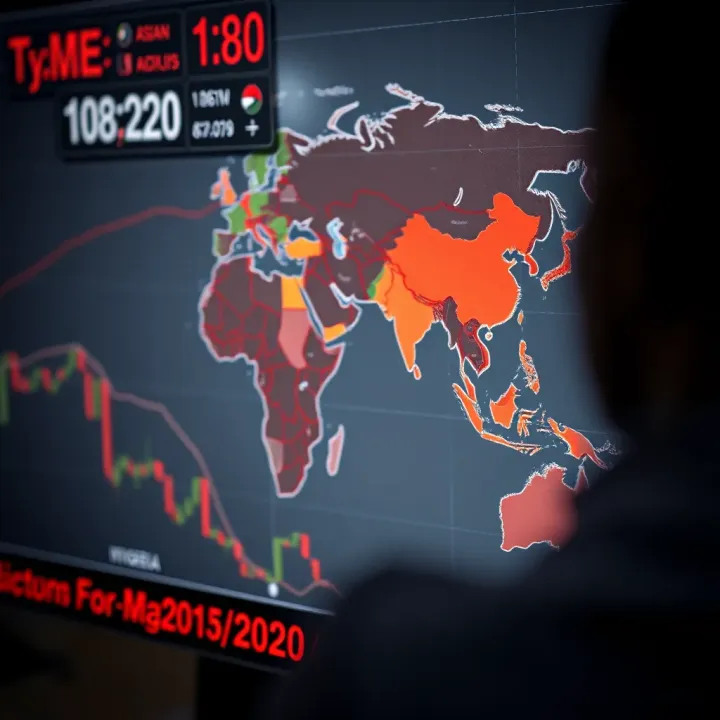
Asian Forex Trading Hours for Nigerian Traders
Discover how the Asian forex trading session works from Nigeria 🇳🇬. Learn trading hours, market behavior, and strategies tailored for Nigerian traders 📉📈.
Edited By
Isabella Clarke
For Nigerians interested in global financial markets, understanding the Asian trading session offers a real edge. This session, covering major hubs like Tokyo, Hong Kong, and Singapore, is a key period when a lot of forex and stock market activities happen. Since the Nigerian market operates on West Africa Time (WAT, UTC+1), knowing when the Asian session runs relative to local time is essential for timing trades effectively.
The Asian trading session typically starts around 12:00 am WAT and runs until about 9:00 am WAT. This period coincides with the opening hours of Asian stock exchanges and forex markets. By tracking price movements and liquidity during these hours, Nigerian traders can spot opportunities that don't always appear during the European or US sessions.
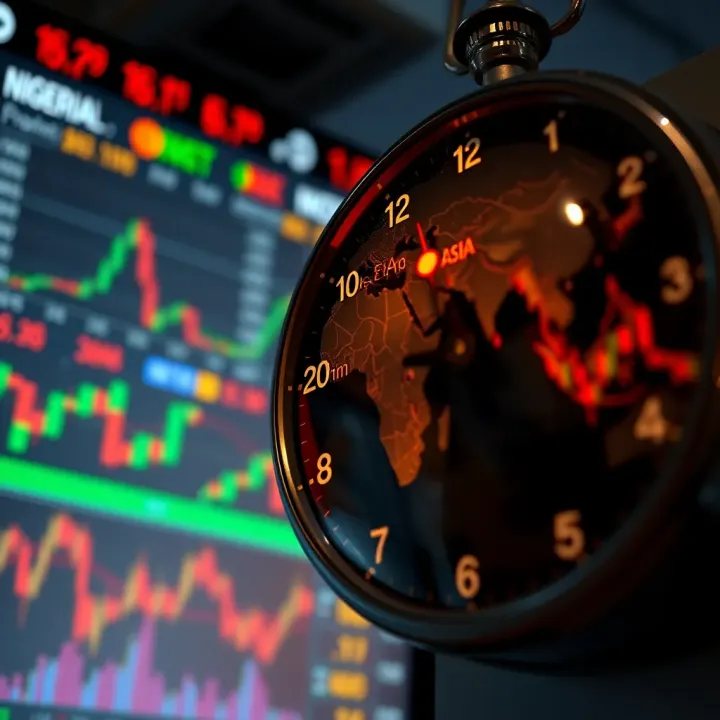
The Asian session is often quieter than its European and US counterparts, but it features sudden bursts of volatility, especially at the start. Nigerian traders can exploit this by preparing for sharp price moves early in their trading day.
Key characteristics of the session include a concentration on currency pairs involving the Japanese yen (JPY), Australian dollar (AUD), and New Zealand dollar (NZD). For example, the USD/JPY and AUD/USD pairs often show notable activity. Traders in Lagos or Abuja who focus on these pairs can gain from the session’s unique market behaviour.
Practical tips for Nigerians trading during this period include:
Monitoring Asian economic data releases, such as Japan’s Tankan survey or China’s manufacturing PMI, which influence price swings.
Using limit orders to manage risk in the session's often unpredictable spikes.
Planning trades ahead to avoid the midday lull when market activity slows.
In summary, recognising the timing and traits of the Asian trading session allows Nigerian investors and brokers to diversify strategies and potentially increase profitability. By aligning trading plans with this session, you tap into an important global market phase that runs largely while Nigeria sleeps.
Understanding the timing of the Asian trading session in Nigerian time matters significantly for traders and investors tuning into global markets from Nigeria. Since the Asian session drives a distinct rhythm with fresh market moves, recognising when this session starts and ends in West Africa Time (WAT) equips you to make more informed trades and manage your daily schedule more effectively.
The Tokyo Stock Exchange (TSE), one of Asia’s major trading hubs, operates roughly from 9:00 am to 3:00 pm Japan Standard Time (JST). Since JST is 8 hours ahead of Nigerian time, this translates to 1:00 am to 7:00 am WAT. Similarly, the Asian Forex markets tend to open around 12:00 am and close at 9:00 am WAT, covering Tokyo and Sydney market activities.
This timing means Nigerian traders have access to key Asian market movements during their early morning hours. For the average trader in Lagos who wakes around 6:00 am, it’s possible to catch the last crucial hour of the Tokyo stock market and the bulk of forex activity in this session.
Nigerian equity markets, such as the Nigerian Stock Exchange (NSE), operate between 9:30 am and 2:30 pm WAT. Since the Asian session winds up by 7:00 am WAT, there is no direct overlap with local stock market hours. However, the early forex trading window overlaps with pre-market hours in Nigeria, offering opportunities for traders who start their day early and want to catch Asian session volatility.
That said, some Nigerian traders adjust their schedule to be active during the close of the Asian session, as it often sets the tone for European market opens and influences currency pairs like USD/JPY and AUD/USD.
Being aware of these timings helps Nigerian traders plan their day better. If you trade forex, you might want to start your day before sunrise to capitalise on Asian session moves, especially when major economic data from Asia is released. On the other hand, local stock investors can use the Asian session to gauge early market sentiment worldwide before the NSE opens.
Practical adjustments, like setting alerts around 6:00 to 7:00 am WAT for Asian market closes or key news releases, can boost trade readiness. This timing also allows you to avoid fatigue by not trying to monitor markets all night but focusing on specific windows when Asian market action peaks.
Recognising the Asian session’s hours in Nigerian time not only helps you optimise trading hours but also aligns your strategy with global market rhythms, improving decision quality.
Asian session runs mainly from 12:00 am to 9:00 am WAT for forex and 1:00 am to 7:00 am for Tokyo stock market
No direct overlap with NSE hours but early forex trading windows are relevant
Early morning trading focus helps Nigerian traders catch Asian market trends without disrupting daily routine
This understanding equips you to work with the global market flow rather than against it, especially when trading currency pairs connected to Asia like JPY, AUD, and NZD. Adjusting your daily routine to match these hours can give your trading edge a qualitative boost, both in timing and execution.
The Asian trading session plays a significant role in the global forex market, and Nigerian traders cannot afford to overlook it. Although it generally experiences lower volatility compared to the London or New York sessions, the Asian session sets the tone for market movements that can ripple through the day. For traders in Nigeria, understanding this session's dynamics can unlock better timing for entry and exit points, especially with pairs linked to Asian economies.
Japanese Yen (JPY) pairs such as USD/JPY, EUR/JPY, and GBP/JPY show the most activity during the Asian trading hours. This is because Japan’s financial markets, including the Tokyo Stock Exchange and the Bank of Japan’s operations, are active during this period. For a Nigerian trader, paying attention to JPY pairs in the early morning West Africa Time (WAT) can offer better opportunities for trading based on market reactions to Japanese economic data or policy announcements.
For example, if the Bank of Japan signals an unexpected change in interest rates during the Asian session, this can cause sharp movements in JPY pairs. Nigerian traders who follow these indicators can position themselves early, avoiding the lag that might come with trading JPY later during the London or New York sessions.
Australian Dollar (AUD) and New Zealand Dollar (NZD) pairs also see crucial activity during the Asian session. While their main markets are technically in the Australasian time zones, the international forex market considers the Asian session as the prime period for their liquidity. Currency pairs such as AUD/USD and NZD/USD respond keenly to economic releases from Australia and New Zealand, often timed to coincide with or slightly precede the Asian trading hours.
For Nigerian investors, monitoring commodities like gold and iron ore prices, which heavily influence AUD movements, alongside Asian session developments, can provide clear insights. Similarly, NZD pairs react to changes in New Zealand’s dairy export forecasts and trade data. Both require Nigerian traders to keep an eye on news feeds during the Asian hours for effective trading strategies.
The Asian session usually exhibits lower trading volumes and reduced volatility compared to the London or New York sessions. This quieter market environment means price movements tend to be more gradual, but sudden spikes can occur due to news from Asia-Pacific economies. For Nigerian traders, this means that while some pairs may not show large daily swings, there is still potential for well-timed trades based on specific triggers.
Lower volatility also implies reduced risk of slippage and sharp spreads, making the Asian session attractive for traders practising careful risk management. Still, because market moving news from Asia can cause unexpected volatility, Nigerian traders should watch economic calendars closely and avoid holding large positions through these announcements if they want to protect their capital.
The Asian trading session may not pack the punch of other market hours, but its role in signalling early trends for the day ahead makes it essential knowledge for Nigerian forex traders looking to sharpen their edge and operate with informed timing.
By understanding which currency pairs are most active and recognising the session’s typical volume and volatility features, Nigerian traders can adapt their strategies effectively, improving their chances of success in the global forex market.
The Asian trading session sets the pace for global markets, and Nigerian investors who understand this influence can position themselves better. Movements during this period often shape expectations for the European and US sessions that follow. By observing trends from cities like Tokyo, Hong Kong, and Singapore, Nigerian traders get an early glimpse into market sentiment, particularly for commodities and currency pairs linked to Asia.
Asian market activity often serves as a prelude to market behaviour in Europe and the US. For example, if the Tokyo Stock Exchange records significant gains on major stocks or indices, European markets tend to open on that positive note, reflecting optimism carried over from Asia. Conversely, sharp declines in Asian markets due to unexpected economic data or geopolitical issues often trigger cautious trading or dips in Western markets.
This connection is not just theoretical; Nigerian investors who track Asian session data can anticipate volatility spikes ahead of European and American market openings. For instance, during the Asian session, if there is an unexpected Bank of Japan policy change or Chinese GDP figures come out, forex pairs like USD/JPY or commodities such as crude oil may react immediately. These moves often ripple through to London and New York sessions, affecting global portfolios.
Nigerian investors have practical ways to tap into the Asian session advantages. One strategy is to monitor Asian economic releases and corporate earnings announcements early in the morning (WAT). Acting on this information before the European session can offer entry opportunities at better prices or hedging against upcoming volatility.
Also, investors in Nigerian equities linked to global commodities—such as companies in the oil or mining sectors listed on the Nigerian Exchange (NGX)—should watch Asian demand signals. A surge in demand for metals in China, for example, may herald a rise in stock values of Nigerian mining firms, allowing timely buying or selling decisions.
Observing Asian market trends enables Nigerian investors to avoid surprises and capitalise on early signals that influence the global financial cycle.
Staying updated through trusted platforms like Bloomberg, Reuters, or local financial news hubs that report Asian market developments can supplement decision-making. Combining this insight with tools like MT4 or MT5, popular with Nigerian forex traders, helps execute trades quickly when opportunities arise.
In summary, the Asian session impacts more than its regional markets. Nigerian investors who watch this session closely can improve timing, anticipate price moves, and manage risk better across their portfolios.
Trading during the Asian session demands a tailored approach, especially for Nigerian traders navigating the unique market conditions and timing differences. Recognising that the Asian session typically features lower volatility compared to European or American sessions, traders need specific strategies to maximise their outcomes. Practical strategies during this period help minimise risks and capitalise on the distinct market behaviour seen from Lagos to Abuja.
The Asian session usually experiences reduced price swings and thinner liquidity in many currency pairs, particularly those outside Asian-centric pairs. Nigerian traders should avoid relying on large price moves that are more common during the London or New York sessions. Instead, adopting scalping or range-trading techniques often works better here. For example, focusing on the Japanese yen (JPY) pairs, which tend to move more during this session, can allow for smaller, more consistent profits.
Traders could also watch out for consolidation patterns or tight ranges as indicators for breakouts towards the end of the session. Staying patient and resisting the urge to chase volatile moves improves discipline and lowers the chance of unexpected losses.
Risk management takes on greater importance because sudden movements—though rare in the Asian session—can be sharp and unpredictable due to key economic releases from Asian countries. Nigerian traders should use tight stop-loss orders and avoid over-leveraging their positions. For instance, placing stop-losses around key support and resistance levels identified during Asian trading hours limits exposure to sudden price shocks.
Moreover, setting realistic profit targets and sticking to a predefined risk-to-reward ratio (say 1:2) helps protect trading capital. Given the low volatility, it’s tempting to open many trades, but spreading risk thinly across multiple small positions is safer than piling on large trades.
Consistent use of stop-losses and careful position sizing can save Nigerian traders from heavy losses during unexpected Asian market spikes.
MetaTrader 4 (MT4) and MetaTrader 5 (MT5) remain the most widely used platforms among Nigerian forex traders, especially for Asian session trading. These platforms provide access to real-time price data, advanced charting tools, and customisable indicators that help traders analyse market trends during this quieter period. For example, MT5 supports more timeframes than MT4, allowing traders to fine-tune their scalping or range-trading strategy during low liquidity times.
The ability to use Expert Advisors (EAs) or automated trading scripts on these platforms also lets Nigerian traders automate repetitive tasks or implement consistent entry and exit rules, which is especially handy when monitoring Asian markets while attending to other daytime activities in Nigeria.
Aside from global brokers, Nigerian traders increasingly turn to local brokers and fintech platforms that provide quicker deposits and withdrawals in naira (₦), reducing the hassle and cost of foreign currency transactions. Platforms like OPay, PalmPay, and Kuda have integrated forex trading services through partnerships or standalone investment products, making it simpler for traders to fund their accounts and access liquidity during the Asian session.
Choosing a broker regulated by the Securities and Exchange Commission (SEC) in Nigeria or licensed by the Central Bank of Nigeria (CBN) gives traders confidence in compliance and customer protection. Such brokers often offer tight spreads and stable execution, which are crucial during the narrow price ranges typical of the Asian trading hours.
In summary, understanding and adapting to the specific conditions of the Asian session can turn what might seem like a dormant period into an opportunity for steady gains and controlled risk for Nigerian traders.
Trading during the Asian session presents some difficulties for Nigerian traders. Understanding these challenges can help investors and brokers prepare better, avoid unnecessary losses, and make smarter decisions.
The Asian session is often quieter compared to the European and US sessions, resulting in lower trading volume and liquidity. This subdued activity can make it harder to enter or exit positions without slippage, especially for traders dealing with large volumes. For example, a Nigerian trader looking to buy or sell ₦5 million worth of Japanese yen may struggle to find enough counterparties without causing price shifts.
Low liquidity also means that price movements can be slower and less predictable. While some traders might enjoy less volatility for safer trades, others may find opportunities limited. This is particularly true for currency pairs not involving Asian stocks or economies like EUR/USD or GBP/USD, which tend to have thinner volume during this time.
Asian markets are sensitive to new information, especially economic indicators and government announcements from countries like Japan, China, and Australia. Nigerian traders must stay alert to news releases such as Japan’s Tankan survey, China’s manufacturing PMI, or Reserve Bank of Australia’s interest rate decisions. These data points can cause sharp price reactions during the session.
However, the timing and interpretation of these releases can be tricky. Since Nigerian traders work several hours behind Asia, keeping track of when these events happen and understanding their context is crucial. For instance, a surprise interest rate hike from the Bank of Japan could send the yen soaring within minutes, affecting positions worldwide.
Nigerian traders benefit from setting alerts for key Asian economic releases and utilising real-time news sources or platforms with global market feeds. This readiness helps them respond quickly when volatility spikes unexpectedly.
In summary, lower market activity and the careful handling of Asian news are practical obstacles for Nigerians trading this session. Preparing for these realities, by adopting cautious trade sizing and staying informed, improves chances of success during the Asian trading hours.
Discover how the Asian forex trading session works from Nigeria 🇳🇬. Learn trading hours, market behavior, and strategies tailored for Nigerian traders 📉📈.
Discover how to pick the best trading platform in Nigeria 🇳🇬. Learn about key features, costs, security & regulations to trade with confidence 💹📊.
Discover how to pick the best trading app in Nigeria 🇳🇬 to earn money 💰. Learn tips, popular apps, risk management, and ways to boost your trading success 📈.
Discover how to pick the best trading broker in Nigeria! Learn about key features, regulations, costs, and top broker options to fit your trading needs 📈🇳🇬
Based on 9 reviews