
Understanding Derivative Trading in Nigeria
Explore derivative trading basics, types, and risks 📈. See how Nigerian investors can navigate these contracts on stocks, commodities & currencies for smart gains ₦!
Edited By
Oliver Bennett
Crypto trading has become increasingly popular among Nigerians, especially with the explosion of fintech platforms like Paystack, Flutterwave, and OPay that make access easier. Many people see crypto as a way to grow wealth outside traditional banking, especially amid naira volatility and inflation pressures. However, trading crypto is not just about buying Bitcoin or Ethereum and waiting for prices to rise — it requires understanding market dynamics, strategies, and risks.
Unlike stocks or forex, crypto markets operate 24/7, creating new chances but also exposing traders to sharp price swings. Nigerian investors often use platforms such as Binance, Quidax, and Bundle Africa to buy and sell cryptocurrencies with naira. These platforms typically offer wallets, charts, and basic educational tools, but relying on them alone is not enough.
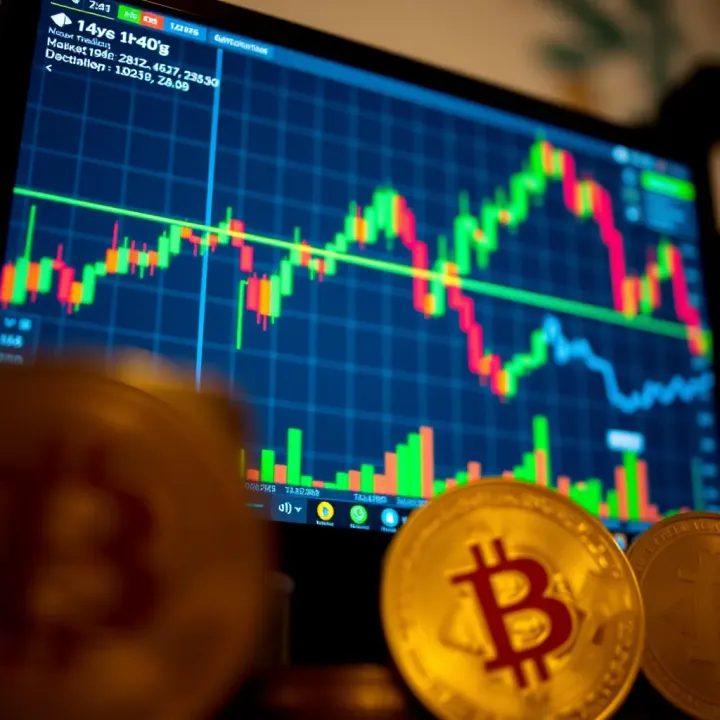
To trade effectively, it's key to grasp fundamental concepts like market orders, limit orders, stop-loss, and the difference between spot trading and derivatives. For example, a trader might use a stop-loss to limit losses if Bitcoin’s price suddenly dips due to global news.
Here are common crypto trading strategies Nigerian investors use:
HODLing: Buying crypto and holding long-term, banking on future price growth
Day trading: Buying and selling within the same day to profit from intraday price moves
Swing trading: Taking advantage of price upswings and downswings over days or weeks
Scalping: Making multiple small trades to earn tiny profits repeatedly
Each strategy varies in risk and skill level. Day trading and scalping require close market monitoring and quick decisions; HODLing is less active but sensitive to market crashes.
Navigating crypto in Nigeria also involves understanding regulations from the Central Bank of Nigeria (CBN) and tax obligations. Though the CBN restricts banks from dealing in crypto, peer-to-peer and non-bank platforms remain popular.
In short, crypto trading is a blend of technical skill, market knowledge, and risk management. This guide will walk you through practical ways to trade safely, evaluate risks, and make informed decisions in Nigeria’s unique market conditions.
Getting the hang of the basics is the first step for anyone interested in crypto trading. In Nigeria, where fintech is booming and more people seek financial alternatives, understanding fundamental concepts helps you avoid costly mistakes and make informed decisions. From knowing what cryptocurrency is to choosing a platform that suits your needs, these basics are vital.
Cryptocurrency is digital money secured by cryptography, making it hard to counterfeit. Unlike traditional currencies like the naira, cryptocurrencies like Bitcoin or Ethereum are decentralised—they don’t depend on banks or governments. Crypto trading involves buying and selling these digital coins, often seeking profit from price changes.
Trading crypto feels similar to stock trading but with some twists. While stocks represent company shares, cryptocurrencies represent tokens on a digital ledger called blockchain. Crypto markets run 24/7, unlike Nigerian stock exchanges which close at specific times. Plus, crypto prices tend to swing more sharply due to market sentiment and smaller market size, meaning there can be both big wins and big risks.
Bitcoin leads the pack as the most popular cryptocurrency across Nigeria, acting as a store of value and a speculative asset. Ethereum follows closely, known for enabling decentralised applications. Nigerians also show interest in native tokens on Binance Smart Chain and some DeFi (decentralised finance) projects. Local traders often check trends on these coins to spot opportunities.
Stablecoins like USDT and USDC play a key role in Nigerian crypto trading. They maintain a 1:1 peg to the US dollar, shielding traders from crypto’s usual volatility. When naira suffers depreciation or during market dips, safely parking funds in stablecoins helps traders preserve their capital.
Picking the right crypto exchange matters a lot. Nigerian traders often use global platforms like Binance and Binance NG, or local ones like Bundle and Quidax that accept naira funding directly. Look out for platforms with smooth user interfaces, low fees, and good customer support.
Next is creating a digital wallet to keep your cryptos. Wallets can be custodial (controlled by the exchange) or non-custodial (you control the private keys). To avoid hacks, many Nigerians use hardware wallets or apps with two-factor authentication (2FA). Remember, if you lose access to your wallet keys, your funds can disappear for good.
Funding your trading account usually involves naira or US dollars. Local exchanges often allow bank transfers, USSD codes, or even card payments. Some traders also use dollar funding via stablecoins to bypass naira volatility. That said, always confirm the payment method’s safety and cost before depositing.
Starting with proper foundations in crypto trading lets you trade with confidence instead of guessing. It protects your funds and sets you up for smarter moves in this fast-paced market.
Knowing various crypto trading strategies helps Nigerian investors align their approach with personal goals and risk appetite. These strategies allow you to exploit market moves, whether short-term fluctuations or long-term growth, making your trading efforts more calculated and less like throwing darts blindfolded.
Day trading involves buying and selling cryptocurrencies within a single day to profit from rapid price changes. In Nigeria, where crypto markets can be volatile due to news, regulatory shifts, or fiat currency pressures, day traders closely watch price ticks and trade timing becomes critical. For example, a trader might buy Bitcoin (BTC) at ₦20 million in the morning and sell it by afternoon when it hits ₦20.3 million, taking advantage of small gains repeatedly.
Swing trading stretches this idea over days or weeks, targeting larger price shifts while holding through minor dips. It suits investors who cannot monitor markets every moment but want to capitalise on trends, like holding Ethereum (ETH) for two weeks as its price reacts to new DeFi platform launches.
Traders use tools like candlestick charts and volume indicators to spot entry and exit points. Moving averages help smooth price data, and Relative Strength Index (RSI) signals overbought or oversold conditions. These indicators clarify when the market may reverse or continue, aiding Nigerian traders in decision-making.
Hodling (holding) means buying crypto and keeping it for months or even years, ignoring short-term market swings. This strategy banks on the belief that cryptocurrencies like Bitcoin will appreciate significantly over time. For Nigerian investors, hodling can conserve effort and avoid emotional trading triggered by daily market noise.
Long-term holding suits those confident in crypto's future but aware that prices can be extremely volatile. Risks include regulation shifts or market crashes wiping substantial value, as seen during past crypto downturns. For instance, holding into a market slump without selling can lead to paper losses, albeit with the hope of recovery.
Arbitrage exploits price differences for the same crypto across different exchanges. Suppose Bitcoin sells for ₦20 million on Binance Nigeria but ₦20.1 million on a smaller local platform; a trader can buy low and sell high quickly. In Nigeria, fragmented liquidity and FX differences sometimes create such opportunities, but timing and transaction fees can erode margins.
Bots and algorithms take automated trading further. These programmes can monitor market data 24/7, executing trades faster than any human. Nigerian traders use bots to trigger buys at set prices or follow specific strategies like moving average crossovers. While efficient, bots require proper configuration and carry risks if markets suddenly shift.
Using these strategies effectively requires understanding their mechanics and adapting to Nigeria’s unique crypto environment—characterised by NAIRA volatility, regulation updates, and fintech innovations.
By choosing a strategy that matches your trading style and circumstances, you increase your chances of success in Nigeria's dynamic crypto scene.
Navigating the world of crypto trading is not without its hurdles. Understanding the risks involved is essential for Nigerian investors to avoid costly mistakes and protect their investments. Crypto markets are notorious for their unpredictability, scams are widespread, and technical vulnerabilities can expose traders to serious losses. This section addresses these challenges, helping you manage risks smartly while trading.
Crypto prices can swing wildly within minutes, more than traditional stocks. For instance, Bitcoin, Nigeria’s most traded crypto, has surged from around ₦6 million to over ₦10 million in a few months before dipping again sharply. This volatility comes from factors like market speculation, global news, or changes in regulation.
Such price swings demand quick thinking. Traders must decide when to buy or sell, sometimes reacting to minute-by-minute changes. It’s common to see Nigerians making sharp gains on well-timed trades, but equally, many face losses from volatile shifts they didn’t expect or plan for.
Because of price unpredictability, having a clear strategy helps. For example, day traders in Lagos use technical analysis tools to time their trades, while long-term holders focus less on daily fluctuations. Emotional trading—buying or selling out of panic—can wipe out gains. Setting limits such as stop-loss orders prevents severe losses if the market drops suddenly.
The fast-moving crypto market also means Nigerian traders must stay updated with news that impacts prices, such as policy changes by the Central Bank of Nigeria or global economic trends. Ignoring these can lead to missed opportunities or unexpected risks.
Unfortunately, scams run rife in Nigeria’s crypto scene. Fake investment schemes promising 100% returns, phishing wallets through bogus websites or apps, and pyramid referrals are common ploys. Some hackers pose as well-known exchanges or influencers to lure investors.
Avoid falling victim by verifying the identity of platforms and offers. Check if exchanges are officially registered and reviewed by users. Avoid sharing private keys or passwords. Legitimate platforms do not pressure you for quick decisions or guaranteed returns.
Always research thoroughly. Check multiple sources for reviews of exchanges such as Quidax, BuyCoins, or Bundle, which are popular in Nigeria. Confirm if the platform complies with local regulations and uses secure transaction measures.
Pay attention to the website’s URL—phishing sites often have misspelled names or unsecured connections. Reach out to customer service to test responsiveness. Trustworthy platforms provide transparent information, clear fee structures, and real-time support.
Crypto wallets, the digital equivalent of bank accounts, can be hacked. If compromised, your funds can vanish instantly with little chance of recovery. This risk escalates when traders use weak passwords or store private keys on their phones or computers without encryption.
Using two-factor authentication (2FA) adds a layer of protection by requiring a second verification step beyond passwords. Most Nigerian exchanges like Patricia and OPay support 2FA, which significantly reduces the risk of unauthorised access.
Cold storage, which means keeping crypto assets offline, is another strong safeguard. For investors who patiently hold assets, hardware wallets or paper wallets prevent exposure to hacks that affect online wallets. While cold storage requires physical care, it’s worth the added security for sizeable holdings.
Protecting your cryptocurrencies is as critical as trading them wisely. Knowing and managing these risks ensures you navigate Nigeria's crypto space with confidence and resilience.
By recognising these risks, preparing security measures, and staying alert for scams, Nigerian crypto traders can reduce potential losses and focus on maximising gains effectively.
Understanding the Nigerian crypto market is essential for anyone looking to trade digital assets here. Unlike other markets, Nigeria’s crypto scene is shaped by unique regulations, payment setups, and tax rules that directly impact how investors buy, sell, and hold cryptocurrencies. Getting a grip on these factors helps you avoid legal pitfalls, manage transaction costs better, and plan your trades with confidence.
The Central Bank of Nigeria (CBN) has maintained a cautious stance towards cryptocurrencies. In early 2021, the CBN issued a directive prohibiting banks and financial institutions from facilitating crypto transactions. This means Nigerian banks cannot process deposits or withdrawals involving crypto exchanges directly. However, owning and trading cryptocurrencies itself is not illegal, creating a complex legal environment.
This regulatory approach affects exchanges and traders significantly. Many international platforms remain operational but lack direct integration with Nigerian bank accounts, increasing reliance on peer-to-peer (P2P) trading and third-party payment systems. Traders should watch for any policy updates from CBN, as tighter or looser regulations influence market liquidity and access.
Several Nigerian exchanges have emerged to bridge gaps left by regulatory limits. Platforms like BuyCoins, Bundle Africa, and Yellow Card offer user-friendly apps and support Naira deposits. They often provide local wallets, enabling easier fund management and quick access to crypto assets.
These platforms typically integrate with Nigeria’s banking system through USSD codes and mobile money services, which many Nigerians use daily. For example, you can fund your crypto wallet via a USSD code or bank transfer from GTBank or Access Bank, then trade without needing a foreign currency account. This integration reduces transaction delays, lowers costs, and helps you avoid the hassle of conversion through multiple channels.
The Federal Inland Revenue Service (FIRS) treats profits from crypto trading as part of taxable income. While official guidelines are still evolving, traders are expected to declare gains as personal income or business profits, depending on their trading frequency and volume.
Filing and reporting crypto gains requires careful record-keeping of transactions, buy and sell prices, and dates. Using transaction histories from exchanges and wallets supports accurate tax returns. Neglecting to report gains may attract penalties, especially as tax authorities intensify monitoring financial activities. Engaging a tax professional familiar with digital assets can be a wise step to navigate these complexities.
Staying informed about Nigeria’s crypto regulations, payment methods, and tax requirements can save you money and protect you from legal challenges. It also equips you to optimise your trading strategy within local conditions.
Navigating these elements carefully positions Nigerian investors to benefit fully from the growing crypto market while managing risks inherent in the evolving regulatory landscape.
Crypto trading can offer substantial rewards but also carries risks. Navigating these requires a mix of careful research, disciplined decision-making, and choosing trustworthy platforms. Nigerian investors will benefit most by focusing on these key practices to protect their investments and improve chances of success.
Following market news and trends is vital for making timely decisions in crypto trading. Prices can shift sharply due to global events, regulatory announcements, or shifts in investor sentiment. Regularly checking sources like cryptocurrency news sites, social media announcements from established experts, and updates from Nigerian fintech platforms helps traders anticipate market moves rather than react last minute. For example, when a major exchange announces a new policy or direction, this information can influence asset prices within hours.
Learning from Nigerian crypto communities and experts offers local context that global analysis may miss. Platforms such as Nairametrics, TechCabal, and Nigerian crypto-focused Telegram groups feature discussions about market trends, exchange reliability, and new regulations from the Central Bank of Nigeria. Engaging with these communities improves a trader's understanding of Nigeria-specific challenges like naira liquidity issues, exchange deposit times, and scam warnings. This peer insight often highlights practical pitfalls and opportunities quickly.
Avoiding emotional trading is essential. Crypto markets fluctuate wildly, and it's easy to panic-sell when prices drop or chase losses hoping to recover quickly. This behaviour often leads to poor decisions like dumping assets at a loss or overexposing one’s portfolio. Nigerian traders should create a clear plan before entering trades and stick to it, avoiding impulsive actions caused by fear or greed.
Setting stop-losses and profit targets helps manage risk and lock in gains. A stop-loss order automatically sells an asset once its price falls to a set level, limiting potential losses. Similarly, setting profit targets ensures that gains are realised before the market reverses. Many Nigerian traders use these tools on platforms like Luno or Binance to maintain discipline and protect their capital amidst volatile price swings.
Evaluating fees, security, and user experience is crucial when selecting platforms for trading. Nigerian crypto exchanges often vary widely in transaction fees, withdrawal timings, and KYC requirements. High fees on small trades can erode profits quickly. Also, security features like two-factor authentication (2FA) and cold storage of user funds are non-negotiable due to rising hacking incidents. Platforms with smooth interfaces reduce errors and speed execution, important during fast market shifts.
Using reputable charting and analysis software supports better trading decisions. Tools like TradingView, CoinGecko, or CoinMarketCap offer detailed price charts, indicators, and historical data essential for both day traders and long-term investors. These platforms include options to set alerts or run technical analysis and are widely accessible in Nigeria. Reliable data prevents traders from acting on rumours and helps in spotting trends early.
Staying disciplined with research, risk controls, and platform choice builds a solid foundation for crypto trading. For Nigerian investors, combining global information with local insight is the best way to trade smart in this fast-moving market.
Explore derivative trading basics, types, and risks 📈. See how Nigerian investors can navigate these contracts on stocks, commodities & currencies for smart gains ₦!

📈 Master crypto trading in Nigeria with this practical guide! Learn market basics, risk control, and how to handle naira swings and regulations confidently.
📈 Learn how to trade on IQ Option smartly in Nigeria. Get steps for setup, spot risks, and trade wisely to protect your ₦. Practical tips for Nigerian traders inside!

Explore how Nigerians can time forex and stock trades during the Asian session 🕒, learn key market traits, and get practical tips to boost trading success from Lagos to Abuja.
Based on 10 reviews