
Best Online Trading Platforms in Nigeria
Discover how to choose the best online trading platform in Nigeria 🇳🇬 by comparing features, security, fees, asset options, and user experience for smart trading.
Edited By
William Price
Trading platforms have become a key part of Nigeria's financial scene, especially with growing access to the internet and mobile technology. Whether you're dealing in stocks, forex, or cryptocurrencies, picking a platform that’s trustworthy is vital. A legit trading platform shields your funds and helps you trade smoothly without unnecessary stress.
Many Nigerian traders have faced losses because they joined platforms with no proper regulation or unclear terms. This isn’t just about avoiding scam sites; even some platforms with flashy offers lack transparency or good customer support. So, knowing what to look for can save your money and peace of mind.
In the Nigerian market, a trading platform must be regulated by recognised authorities—most importantly the Nigerian Securities and Exchange Commission (SEC) for equities and derivatives, or the Central Bank of Nigeria (CBN) for currency exchanges and payments.
Before you commit your ₦ funds, always confirm that the platform has valid licences and follows Nigerian financial laws.
Look out for these key features when assessing a platform:
Regulatory Approvals: Check if the platform displays its SEC or CBN licence openly. Some platforms even publish their registration numbers on their websites.
Transparent Fees: Beware of hidden charges or complicated fee structures that make it hard to understand how much you’re paying per trade.
User Reviews and Track Record: Investigate user feedback on social media or fintech forums to see if other Nigerians have faced issues.
Secure Transactions: Platforms should use encryption protocols and provide two-factor authentication to protect your account.
Customer Support: Access to timely support via phone, email, or chat can make a difference if problems arise.
Platforms like Chaka, Troves, and Piggyvest’s trading service have gained traction partly because they meet these standards and cater to local users with naira trading pairs and easy funding options.
Understanding these factors can help you pick a platform that suits your trading style and budget, reducing risk and improving your confidence in handling investments. This article will go deeper into recognising a legitimate trading platform in Nigeria, equipping you with practical ways to verify before you trade.
Knowing what makes a trading platform legitimate is vital for anyone dealing in financial markets in Nigeria. A legitimate platform offers security, transparency, and reliability, all of which protect your investments and reduce chances of falling victim to scams. Nigerian traders frequently face challenges like sudden platform shutdowns or hidden charges, so recognising key traits of trustworthy platforms can save you time and money.
Legitimate platforms use high-level security protocols like two-factor authentication (2FA), encrypted connections (SSL/TLS), and cold storage for user assets, particularly in cryptocurrency exchanges. For example, platforms such as Quidax and Binance ensure funds are stored offline to reduce hacking risks. These steps prevent unauthorised access and keep your money safe from cyberattacks.
A trustworthy trading platform clearly states its fees—whether commissions, spreads, or withdrawal charges—without hidden costs. For instance, if a stock trading app charges a fixed ₦500 per trade or a percentage fee, it must be upfront about it. This transparency helps you avoid unexpected expenses that could eat into your profits, fostering better financial planning.
A simple, intuitive interface allows you to navigate through trades, portfolios, and analytics without headaches. Platforms like GTBank’s investment portal provide easy-to-use dashboards suited for both beginners and experienced traders. Fast load times and responsive design mean your orders execute without delays—a must in volatile markets where seconds matter.
Reliable platforms offer multiple ways to get help, such as live chat, dedicated phone lines, or email support. For Nigerian users, platforms that provide prompt local customer service save you the hassle of waiting for overseas response times. Quick support is crucial when dealing with urgent issues like payment problems or account access.
These platforms connect you to equities listed on the Nigerian Stock Exchange (NGX). Brokers such as Stanbic IBTC or CSCS offer online portals where Nigerians can buy and sell shares. Using these platforms, investors can diversify their portfolios and participate in Nigeria's growing corporate sector.
Forex platforms allow Nigerians to trade currency pairs like USD/NGN or EUR/USD. Companies such as FXTM and HotForex offer NGN base accounts, easing deposits and withdrawals despite naira volatility. However, given regulatory scrutiny by the Central Bank of Nigeria (CBN), it’s important to choose brokers who comply with local rules.
Crypto platforms like Quidax and Bundle facilitate buying and selling of digital currencies such as Bitcoin and Ethereum. Despite the CBN's restrictions on banks dealing with crypto exchanges, these platforms find ways to serve Nigerians through peer-to-peer or alternative payment channels.
These platforms provide access to gold, oil futures, or agricultural products. While relatively niche in Nigeria, platforms linked to the NGX or international brokers allow investors to hedge or speculate on commodities. Such instruments require careful risk understanding but offer diversification beyond stocks or currencies.
Choosing a legitimate trading platform isn’t just about avoiding loss—it’s about ensuring your trades and investments are handled professionally and securely, giving you peace of mind as you grow your wealth in Nigeria’s markets.
Understanding regulation and licensing is vital when choosing a legit trading platform in Nigeria. These frameworks ensure that platforms operate transparently, protect investors from fraud, and uphold market integrity. Without proper oversight, traders risk losing funds to scams or platforms that collapse under poor management.
The Securities and Exchange Commission (SEC) regulates stock and investment platforms to ensure they comply with Nigerian financial laws. SEC supervision includes granting licences, monitoring trading activities, and enforcing disclosure requirements. This supervision reduces the chances of market manipulation and unethical practices, offering traders some protection.
For practical relevance, SEC-regulated platforms must regularly report their operations and financial health. For instance, if a stockbroker uses an online portal in Lagos, SEC oversight requires accurate order execution and fair pricing, which improves investor confidence.
Registering with the SEC is a strong signal that a Nigerian firm is legitimate. Platforms without SEC registration should be approached with caution as they may not have met the necessary capital or governance standards. Traders should always confirm SEC registrations through official channels before funding accounts.
CBN plays a significant role in regulating foreign exchange (forex) trading and cryptocurrency activities in Nigeria. Recent policies focus on tightening controls around forex operations to stabilise the naira and curb illicit financial flows. For example, only authorised dealers licensed by CBN can legally offer forex trading services within Nigeria.
On cryptocurrency, the CBN maintains a cautious stance. While it has not banned crypto holdings outright, it restricts banks and financial institutions from facilitating transactions for crypto exchanges. This means that crypto platforms operating locally must find alternative payment methods or rely on peer-to-peer arrangements. Traders should be aware that these restrictions impact liquidity and affect how quickly they can move ₦ funds into or out of crypto assets.
Always verify a platform’s licensing status with both SEC and CBN databases. Regulatory approval is your best protection against fraud.
In sum, knowing the roles of SEC and CBN helps Nigerian investors navigate which platforms to trust. Look out for SEC registration for stock and investment platforms and confirm if forex or crypto operations align with CBN rules. Doing this checkgoes a long way to keeping your ₦ funds safe and trading experience smooth.
When choosing a trading platform in Nigeria, spotting warning signs early can save you from huge losses and headaches. Fake or risky platforms usually hide behind slick websites or social media adverts but reveal their true colours through certain red flags. Familiarising yourself with these signs significantly lowers your chances of falling prey to scams.
Promises of guaranteed profits often signal trouble. No legitimate trading platform can assure profits because markets are inherently unpredictable. If a platform guarantees returns like “double your money in a week” or “100% profit with zero risk,” it’s likely fishing for your funds. For example, many dodgy crypto exchanges have surfaced in Nigeria during the last few years, enticing users with unrealistic returns before freezing accounts or disappearing.
Lack of clear risk disclosures also stands out. Reliable platforms openly communicate the dangers involved in trading, such as market volatility or loss potential. If you notice a website does not discuss risks or downplays them, be wary. Legitimate firms educate their users about risk management to foster informed decisions rather than simply chasing sales. So, always look for disclaimers or risk warnings before committing your ₦.
Delayed or no responses from customer support can be a huge headache. Genuine trading platforms aim to respond promptly to queries, complaints, or technical issues. If your emails or calls stay unanswered for days, or chat support seems non-existent, this should raise red flags. Poor communication makes it difficult to resolve problems quickly, which can cost you money or access to your funds.
Hidden contact information is another warning sign. A credible platform clearly displays phone numbers, email addresses, and sometimes physical office locations. If you can’t find contact details or if the platform uses only generic forms without direct phone or email contacts, it’s likely hiding something. Nigerian traders should prefer platforms with transparent customer service channels, especially those listing local offices or Nigerian hotlines.
No verifiable regulatory details is a strong indicator of risk. Every legit trading platform operating in Nigeria must be registered or licensed by relevant authorities like the Securities and Exchange Commission (SEC) or the Central Bank of Nigeria (CBN). Platforms without licence numbers or easily checked regulatory status should be approached with extreme caution. Always cross-check licence information on official SEC or CBN portals.
Fake certificates or documents sometimes appear on dubious websites. Scammers often paste fake licences or regulatory seals to create an illusion of legitimacy. Learning to spot inconsistencies—such as incorrect agency logos, poor-quality images, or unverifiable registration numbers—helps avoid these traps. For instance, a platform claiming to be SEC-regulated but failing confirmation on the SEC website is suspicious.
Always remember: no credible trading platform will pressure you to invest immediately or bypass proper verification. Take the time to verify credentials and customer service before funding any platform.
By recognising these red flags—unrealistic promises, poor communication, and questionable licensing—you protect your investments and make more informed choices in Nigeria’s bustling trading environment.
Verifying a trading platform’s legitimacy is vital before committing your funds. In Nigeria's bustling market, fraudulent platforms hide behind flashy promises, so a careful check helps safeguard your investments. Verification gives you confidence that your chosen platform operates within legal frameworks and offers the security necessary to protect your money.
The Securities and Exchange Commission (SEC) and Central Bank of Nigeria (CBN) maintain updated lists of registered trading platforms under their oversight. Before trading, you should visit these official sites and confirm if the platform is licensed. For example, if you want to trade stocks, check the SEC’s registered brokers and investment advisers list. Forex and cryptocurrency platforms should appear on the CBN’s list of authorised operators.
Using these official resources prevents falling prey to unregistered operators who often disappear with users’ funds. If the website or app claims membership but does not appear on these lists, it’s a big warning sign.
Besides regulatory licences, it's equally important to verify the platform's company details with the Corporate Affairs Commission (CAC). This ensures the platform is a legitimately incorporated business in Nigeria. You can search for the company name on the CAC portal to confirm its registration number, address, and directors.
A platform that lacks CAC registration or provides unverifiable information should be treated with suspicion. Legit companies are transparent about their business structure, so this step helps weed out shell companies or fly-by-night operators.
Traders frequently share experiences on forums dedicated to Nigerian investors. Participating or reading through these discussions can reveal much about a platform’s reliability. Forums such as Nairaland or dedicated financial communities online often have detailed threads on popular and dubious platforms.
Pay attention to consistent complaints about withdrawals, sudden account freezes, or poor customer support. Balanced feedback highlighting both positive and negative experiences tends to be more authentic.
Social media platforms like Twitter, Facebook, and Instagram are useful for gauging user sentiment about trading services in Nigeria. Many users post about their experiences with specific brokers or exchanges, including flags about scams or delayed payments.
Look for reviews from verified accounts or respected industry voices rather than only promotional posts by the platform itself. Cross-check claims with other sources to avoid falling for planted fake testimonials.
Reputable trading platforms often offer demo accounts or trial periods allowing users to test the interface and tools without risking real money. This feature helps you understand the platform’s functionality, execution speed, and responsiveness.
Before funding your account, spend some time with these practice tools to confirm the platform suits your trading style. If the platform doesn’t provide a demo, be cautious about investing large sums immediately.
Legit platforms clearly show their fees, spreads, and how orders are processed. Ambiguous pricing or hidden charges usually indicate potential risks. Check if the platform publishes its commissions and whether order execution is timely and accurate during your trial.
Transparency in these areas ensures you won’t face unexpected costs affecting your returns or experience slippage that harms your trades. When a platform allows straightforward verification of such details, it signals professionalism and trustworthiness.
Always keep in mind that no legitimate platform will pressure you into quick funding without allowing adequate time to assess its service. Taking these verification steps shields you from scams and increases your chance of trading success in Nigeria’s dynamic financial markets.
Knowing which trading platforms are prominent and legitimate in Nigeria helps traders avoid scams and ensures smoother transactions. These platforms have established trust through regulatory compliance, strong user bases, and operational transparency. For Nigerians, selecting platforms widely recognised and used locally adds an extra layer of security and convenience.
The Nigerian Exchange Group (NGX) has a number of registered brokers offering online portals for stock trading and investment services. These brokers provide direct access to Nigerian equities and fixed income securities, backed by NGX regulation. For example, firms like Stanbic IBTC Securities and Meristem Securities have user-friendly web and mobile platforms.
Trading through NGX-listed brokers ensures your investment is within the country's official financial ecosystem. The platforms offer features such as portfolio management, real-time price alerts, and dividend tracking. Transaction records are transparently maintained, reducing the risk of fraud. This is particularly important as Nigerian investors increasingly move away from informal stock trading.
Beyond NGX brokers, several regional platforms provide simplified access to equities, sometimes pooling investments across African markets. Platforms such as Chaka and Trove allow Nigerians to buy shares in international companies alongside Nigerian stocks, bridging the gap between local and global investing.
These platforms are relevant because they offer diversified portfolios without complicated foreign exchange procedures. They often include features tailored to Nigerian users, such as NGN funding options and integration with local banks. Using them can complement traditional NGX trading, making equities investment more accessible.
Following the Central Bank of Nigeria's (CBN) restrictions on direct crypto trading through banks, some local crypto exchanges have adapted by focusing on peer-to-peer (P2P) trading and compliance. Platforms like Quidax and Bundle have incorporated CBN guidelines, enabling Nigerians to buy and sell cryptocurrencies while reducing regulatory risks.
These local exchanges often verify user identities through BVN (Bank Verification Number) and NIN checks, improving safety. They provide wallet services and sometimes link to mobile money providers, easing the process in a country where bank transfers to crypto platforms are restricted.
Some global crypto platforms such as Binance and Luno actively support Nigerian customers through dedicated websites and support services. They often facilitate P2P transactions compliant with Nigerian regulations and accept NGN deposits through approved channels.
These international exchanges offer access to a wider range of coins and lower fees, making them attractive for experienced traders. However, users must be cautious by confirming the platform's Nigerian-specific policies and ensuring they follow local rules to avoid penalties.
Forex trading remains popular in Nigeria, but choosing brokers with direct Nigerian operations and regulation is vital. Firms like FXTM and HotForex have offices or partnerships in Nigeria, providing customer support in local languages and adhering to financial regulations.
Having a local account means faster deposits and withdrawals, often without hefty international transfer fees. It also facilitates compliance with Nigerian regulatory frameworks, protecting traders from fund seizure or platform shutdowns.
The ability to fund trading accounts directly in Nigerian Naira (NGN) is a significant advantage. Platforms such as OctaFX and XM offer NGN wallets or integrate with Nigerian banks and payment gateways like Paystack or Flutterwave, reducing the hassle of currency conversion and exchange rate uncertainty.
Platforms that accept NGN funding help traders avoid losing money through unfavourable rates or extra charges. This convenience smoothens the trading experience and attracts a broader range of Nigerians, including those new to forex trading.
When picking a trading platform, always prioritise those widely recognised and active within Nigeria’s regulatory environment. This reduces risks and helps ensure your investments remain safe and accessible.
Discover how to choose the best online trading platform in Nigeria 🇳🇬 by comparing features, security, fees, asset options, and user experience for smart trading.
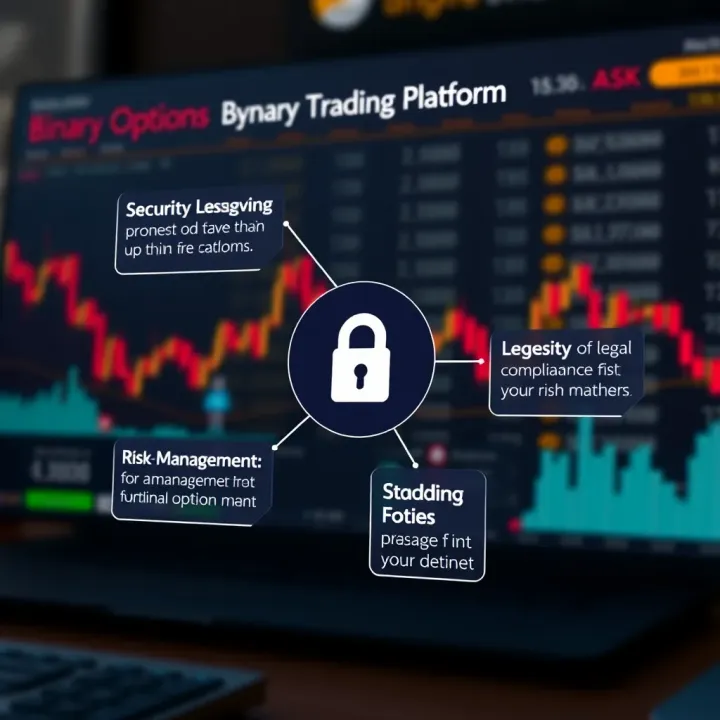
📊 Discover how to trade binary options safely in Nigeria! Learn platform features, legal tips, risks & tricks to pick the right platform for you.
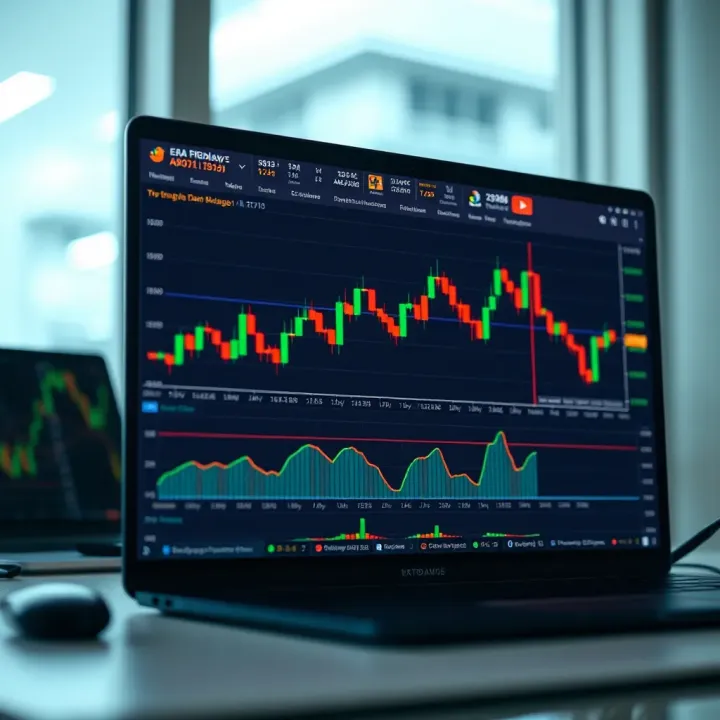
Discover how to pick the best trading platform in Nigeria 🇳🇬. Learn about key features, costs, security & regulations to trade with confidence 💹📊.
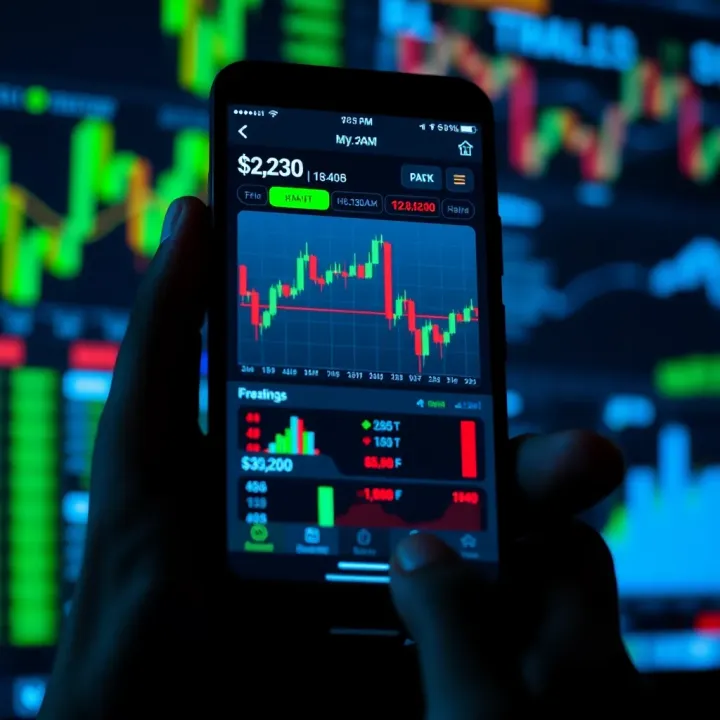
Discover how to pick the best trading app in Nigeria 🇳🇬 to earn money 💰. Learn tips, popular apps, risk management, and ways to boost your trading success 📈.
Based on 13 reviews