
Advantages of Forex Trading Explained
Discover key benefits of forex trading in Nigeria 🇳🇬: easy market access, high liquidity, flexible hours, profit potential, and smart risk management options 📈💰
Edited By
Charlotte Fisher
Forex trading runs 24 hours, but not all hours are equal when it comes to opportunities and market activity. Understanding the major forex trading sessions in Nigerian time — West Africa Time (WAT) — is critical for traders looking to maximise profit and reduce risk. Nigeria operates at UTC+1, so aligning your trading schedule with global market hours helps you spot when liquidity spikes and volatility surges.
There are four major forex trading sessions based on global financial centres: Sydney, Tokyo, London, and New York. Each session reflects its local business hours but shifts when converted to Nigerian time. Here’s a quick breakdown:
Sydney session: Opens at 9 pm WAT and closes at 6 am WAT. It's relatively quiet, often seen as a prelude to more active hours.
Tokyo session: Runs from 12 am to 9 am WAT. Asian currencies like the Japanese yen and Australian dollar gain momentum during this window.
London session: Starts at 8 am and ends at 5 pm WAT. This session brings the highest liquidity and volatility because London acts as a global financial hub.
New York session: Runs from 1 pm to 10 pm WAT. Overlaps with London for a few hours, causing significant market moves.
The overlap between London and New York sessions (1 pm to 5 pm WAT) is when forex trading gets particularly lively, offering prime spots for traders aiming to enter and exit swiftly.
Understanding these sessions guides you on the best periods to trade specific currency pairs. For example, if you’re trading GBP/USD or EUR/USD, focusing on London and New York hours makes sense since these pairs are most active then. Conversely, pairs with the yen or Aussie dollar respond best during Tokyo and Sydney sessions.
Aligning your trading hours with these sessions in WAT allows for better planning of entry points and risk management. Nigerian traders find it useful to avoid trading during off-hours with low liquidity to cut down slippage and poor price execution.
By syncing trading strategies with Nigerian time, you can take advantage of increased market activity plus avoid unnecessary wear and tear on your margin. This kind of focus helps sharpen decision-making, especially in volatile or ember month periods when market moves can be unpredictable.
Understanding forex trading sessions is essential for any trader, especially those operating from Nigeria. The forex market is unique because it never sleeps—it runs 24 hours a day, but not all hours are equal in terms of activity and opportunities. Knowing when each session opens and closes can help you spot the best times to trade and manage risks better.
Each forex trading session corresponds to major financial centres around the world: Tokyo, London, New York, and Sydney. These sessions differ in terms of market liquidity, volatility, and trading volume. For instance, trades during the London session tend to be more active and liquid compared to Sydney, which can affect pricing and trading strategies.
By aligning your trading activities with the right session times in Nigerian local time (West Africa Time - WAT), you can optimise your strategies effectively. For example, a Nigerian trader interested in the GBP/USD pair will find more opportunities during the London or New York sessions when the currency pair's liquidity peaks. Trading during low-activity hours might mean fewer chances to enter or exit the market at desirable prices.
Forex trading sessions refer to specific periods during the day when forex markets in major cities are open and active. Because these cities lie in different time zones, their respective markets operate at different hours. The four main sessions are named after their locations: Tokyo, London, New York, and Sydney.
Each session features distinct market behaviours. The Tokyo session, for instance, often sees less volatility compared to London, but it can influence currency pairs like the USD/JPY significantly. These session windows guide traders on when trading volume surges and when the market might go quiet. Understanding this can prevent you from making trades during unpredictable or illiquid periods.
For Nigerian traders, timing is crucial because forex operates in foreign time zones, but traders must work using Nigerian time (WAT). Misaligning your trading hours could mean missing out on the busiest periods or risking higher spreads during thin trading windows.
Moreover, Nigerian traders often balance forex trading with personal or work commitments. Knowing session times allows for efficient planning. For instance, the London session starts around 8:00 am WAT and closes by 4:00 pm, which conveniently overlaps with Nigeria's workday, making it practical for day traders.
Additionally, session overlaps—when two sessions operate simultaneously—typically result in heightened market activity. The London-New York overlap is particularly noteworthy for Nigerian traders looking to catch spikes in volatility for pairs involving the US dollar and the pound sterling.
By understanding forex trading sessions, Nigerian traders can improve their entry and exit timing, reduce exposure to volatile moments that do not fit their strategy, and ultimately increase their chances of consistent profits.
In short, knowing forex trading sessions isn’t just academic—it has real, practical benefits that can boost your trading efficiency and outcomes.
Understanding the four major forex trading sessions according to Nigerian time is essential for anyone who wants to navigate the markets effectively. Each session corresponds to a key financial hub, and their opening and closing hours bring distinct trading patterns, liquidity, and volatility. Nigerian traders who align their activities with these sessions can better time trades, manage risks, and exploit market movements.

The Tokyo session runs from 12:00 am to 9:00 am West Africa Time (WAT). It marks the start of the Asian trading day, bringing activity primarily from Japanese, Australian, and other Asia-Pacific markets. Volatility during this session is usually moderate, reflecting steady trends rather than sudden spikes. For instance, currency pairs like USD/JPY and AUD/USD often show steady movement, making this window suitable for traders who prefer cautious, range-bound strategies. Nigerian traders who wake early can catch this session, benefiting from less crowded price action.
Starting at 8:00 am and closing by 5:00 pm WAT, the London session is widely regarded as the most liquid and active forex trading period. This session overlaps with European market hours and handles a significant share of daily trading volume. Currency pairs involving the British Pound (GBP), Euro (EUR), and Swiss Franc (CHF) experience heightened volatility here. For Nigerian traders, the London session is particularly attractive because it coincides with local business hours, allowing timely responses to key economic data releases from Europe. This session often sets the market tone and paves the way for trading momentum.
The New York session operates from 1:00 pm to 10:00 pm WAT, overlapping with the latter part of the London session. This overlap triggers the highest liquidity and volatility, making it a hotspot for news-driven price shifts and fast market moves. Currencies like the US Dollar (USD), Canadian Dollar (CAD), and Mexican Peso (MXN) take centre stage during this window. Nigerian traders who work day jobs but want access to intense trading action often focus on the start of the New York session, when volatility tends to peak. Timing trades here requires agility as markets can be unpredictable.
The Sydney session runs from 10:00 pm to 7:00 am WAT, signalling the start of the Asia-Pacific trading day ahead of Tokyo. This session is the quietest among the four, with low trading volumes and limited volatility. Currency pairs like AUD/USD and NZD/USD show gentle movements, useful mostly for traders looking to watch the market or implement long-term strategies. For Nigerian traders, the Sydney session is less appealing for active trading but important for positioning before the Asian sessions.
Being aware of these sessions and their timings helps Nigerian traders anticipate market behaviour, choose the right times to trade, and avoid periods of low liquidity or sudden price swings that can lead to losses.
Aligning trading plans with local time reduces confusion and improves execution speed, especially where quick order placement matters. Nigerian traders using platforms like MTN Mobile Money, OPay, or Paystack for funding can seamlessly manage trades when syncing with session schedules.
By mastering the four major forex sessions in Nigerian time, traders gain an edge in spotting optimal entry and exit points and can handle market volatility with confidence.
Forex trading sessions overlap several times during a 24-hour cycle, creating periods where the market experiences increased activity and liquidity. For Nigerian traders, understanding these overlaps is vital because they offer the best conditions for executing trades at favourable prices and with tighter spreads. When two major sessions run at the same time, more traders join the market, leading to higher trading volumes and volatility — a perfect stage for capturing profitable moves.
The overlap between the London and New York sessions is generally regarded as the most volatile and liquid period in forex trading. In Nigerian time (West Africa Time), this occurs between 2 pm and 6 pm WAT. Both London and New York are financial hubs, so their markets bring a flood of orders during this window.
During these hours, currency pairs involving the US dollar (USD) and the British pound (GBP), such as GBP/USD and USD/NGN (naira paired indirectly via USD), see sharp price swings. Nigerian traders aiming for high-impact trades often look to this period for breakouts or trend reversals.
Trading during the London-New York overlap can improve your chances to enter and exit trades quickly, thanks to the tighter spreads and stronger price movements.
As an example, a trader could exploit the increased volatility during this overlap to scalp quick wins or set stop-loss orders closer due to predictable liquidity.
The Tokyo and London sessions overlap between 8 am and 9:30 am WAT, though it's shorter and less intense than the London-New York overlap. However, it still presents valuable opportunities, especially for traders who prefer less crowded but active markets.
Pairs involving the Japanese yen (JPY) and the euro (EUR), such as EUR/JPY or USD/JPY, tend to react noticeably during this window. For Nigerian traders, this overlap offers a chance to catch early market trends before the big London-New York session heats up.
This period is particularly useful for those who trade before typical Nigerian working hours or want to place trades ahead of midday volatility spikes.
Understanding these session overlaps allows you to pick the best times to trade forex from Nigeria, depending on your strategy and availability. Whether you seek high volatility for aggressive trading or moderate movement for cautious positioning, session overlaps provide key windows you can't afford to miss.
Selecting the right forex trading session is key for Nigerian traders because it directly influences market liquidity, volatility, and the opportunities you can capitalise on. Since Nigeria operates on West Africa Time (WAT), aligning your trading activities with the most suitable session helps optimise your gains while managing risks effectively. For example, you can't expect the same market movements during the quiet Sydney session as you would in the bustling London-New York overlap.
Your trading style should dictate the session you focus on. If you’re a scalper who thrives in fast market movements, trading during the London-New York overlap — roughly 2 pm to 6 pm WAT — offers peak volatility and tighter spreads. This is when major currency pairs like EUR/USD and GBP/USD move sharply, providing plenty of chances to open and close positions quickly.
On the other hand, if you prefer a more conservative, trend-following style, the Tokyo session (approximately 12 am to 9 am WAT) might suit you. This session typically displays steadier movements in pairs like USD/JPY and AUD/USD. Weekend traders or those with limited daily time can consider the New York session (1 pm to 10 pm WAT) since it runs when many Nigerians are free from daytime work commitments.
Choose a session that matches your personal routine too; no point trading live when you’re exhausted or distracted. For instance, a Lagos-based trader who works a standard day job might find the London session too early but can catch plenty of action during the New York session.
Forex markets follow global hours but it’s vital to map them into Nigerian time clearly. Remember, daylight saving time changes in the US and UK shift session times by an hour biannually. Nigerian traders must adjust to avoid trading blind. For instance, during UK summer time, the London session starts an hour earlier in WAT.
Using tools like smartphone apps with automatic local time conversion or forex calendars helps track exact session openings and closings. A common mistake is missing the critical volatility windows due to time confusion, resulting in missed trades or increased risk.
It’s also wise to set daily trading limits aligned with your energy and attention spans. Trading late into the night, especially during Sydney’s or Tokyo’s quiet hours, may lead to poor decision-making. Scheduling trades around peak sessions maximises your chances of success without burning out.
Nigerian traders who understand which sessions best suit their style and life routine can save time, reduce stress, and improve profitability across their forex portfolios.
In short, approaching forex trading as a Nigerian means syncing your activities with market rhythms that complement both your strategy and your local clock. This practical alignment sharpens your trading focus and puts you in the best position to make informed moves when the market heats up.
Timing is one of the key factors that can make or break your forex trading strategy in Nigeria. Knowing not just when the global sessions open and close, but how to track them accurately and adapt to seasonal shifts, gives you a real edge in spotting liquidity surges and market moves. Traders often miss out on profitable opportunities simply because they cannot align their activities properly with market hours in Nigerian time (West Africa Time - WAT).
Technology is a trader’s best friend when it comes to keeping up with forex session times. Smartphones and laptops can host a range of tools—from forex trading platforms like MetaTrader 4 and 5 to specialised apps that show market hours and session overlaps. With one glance, you can tell when the London and New York sessions are overlapping, which typically signals high volatility and more trading opportunities.
For instance, apps like TradingView come with built-in session timers adjusted to your local time zone, including WAT. This means you don't have to manually calculate the session timings based on GMT or EST; the app does it automatically. Plus, you can set alerts to notify you when a session starts or when an overlap period begins. That way, you won’t miss market bursts even during busy days when you might be at an event or running errands.
Besides, using your phone’s calendar or reminder features to schedule trading windows can help manage your trading hours better, avoiding the temptation to trade all day and risk burnout. Nigerian traders juggling jobs or business ventures can especially benefit by blocking out optimal forex market times and sticking to them.
Forex markets observe daylight saving time changes, but Nigeria does not. This sometimes shifts session hours by one hour ahead or behind during certain periods of the year. Traders who don’t adjust their clocks risk trading an hour too early or too late, missing the prime market action.
Take the London session, for example. During British Summer Time (BST), the market opens 1 hour earlier in Nigerian time compared to GMT standard time. That shift usually starts around late March and lasts until late October. Nigerian traders need to recalibrate their alarms and trading schedules to match this change, or else their trades might fall outside the main activity periods.
Monitoring updates from trusted forex news sources or brokers’ announcements about daylight saving changes can save you from this pitfall. While some trading platforms update session times automatically, others may not, so it pays to double-check.
Adapting to seasonal time changes is often overlooked, but it can seriously affect your trading success. Missing a crucial session start by even an hour can mean missing out on valuable price movements.
In summary, using reliable tech tools to track session times and staying mindful of seasonal shifts helps Nigerian traders keep their strategies sharp and timely. Combining these practical steps with a good understanding of global forex sessions can improve your chance of profit in the volatile currency markets.
Discover key benefits of forex trading in Nigeria 🇳🇬: easy market access, high liquidity, flexible hours, profit potential, and smart risk management options 📈💰
Learn how mitigation in forex trading helps manage risks and protect investments 💹 Discover strategies, tools, and tips to minimize losses in Nigeria's currency market.
📊 Learn how deviation in forex trading affects your orders, what causes it, and practical ways to manage risks and protect your trades from sudden price shifts.
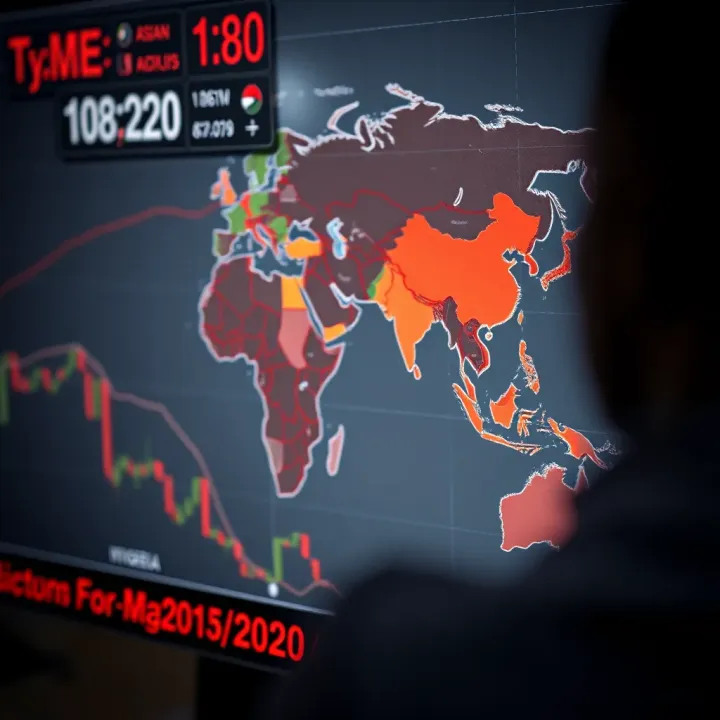
Discover how the Asian forex trading session works from Nigeria 🇳🇬. Learn trading hours, market behavior, and strategies tailored for Nigerian traders 📉📈.
Based on 7 reviews