
Forex Market Hours in Nigeria: When to Trade
📈 Discover the forex market open hours for Nigerian traders, learn the best trading times, and get tips to optimize your forex trading schedule locally. 🇳🇬
Edited By
Sophie Lawson
Trading cryptocurrency in Nigeria has gained significant traction as more people look to explore new investment avenues beyond traditional stocks and real estate. However, unlike straightforward markets, the crypto space can be quite wild, with sharp price swings, fluctuating regulations, and sometimes limited local exchange options.
Before entering this market, it's essential to understand how it operates within the Nigerian environment. Cryptocurrencies like Bitcoin, Ethereum, and USDT have seen widespread adoption here, partly due to naira volatility and the search for alternative stores of value. Yet, many traders still grapple with navigating the best platforms, managing risks from price fluctuations, and staying compliant with local financial rules.
This guide is designed to demystify trading cryptocurrency effectively within Nigeria by focusing on practical steps and insights:
Picking reliable platforms that support ₦ deposits and withdrawals without exorbitant fees.
Implementing trading strategies suitable for high volatility and limited local market information.
Understanding the Central Bank of Nigeria’s (CBN) stance on cryptocurrency and how to avoid falling foul of regulations.
Managing risk to protect your capital against sudden market downturns.
Remember, trading crypto isn’t a get-rich-quick scheme; it demands careful planning, an understanding of market dynamics, and discipline — especially in a market as vibrant and occasionally unpredictable as Nigeria’s.
With that said, the upcoming sections will show you how to get started, what pitfalls to avoid, and how to build a trading approach tailored to your financial goals and the Nigerian context. Whether you are a beginner or have tried trading before, this guide offers concrete steps to enhance your chances of success while keeping your investments secure.
Understanding the basics of cryptocurrency trading is essential before you dive into the market. Without a solid grasp of fundamental concepts, you risk making costly mistakes or falling for scams, which are unfortunately common. In Nigeria, where crypto trading is gaining traction despite regulatory uncertainties, knowing the trade mechanics helps you navigate platform choices, trading types, and asset selection with confidence.
Cryptocurrency trading is the process of buying and selling digital currencies like Bitcoin or Ethereum in order to make a profit. Unlike traditional stocks, cryptocurrencies operate on decentralised blockchain networks, giving users more control but also exposing them to volatility and risks. For instance, when the price of Bitcoin spikes due to global demand or news, traders can capitalise by buying low and selling high within short periods.
Spot trading is the most straightforward method. It involves buying or selling the actual cryptocurrency for immediate delivery. Suppose you buy 0.1 BTC today on Binance, the coins go directly into your wallet, and you own them outright. This type of trading is suitable for beginners and long-term holders as you directly control your assets without leverage.
Futures and derivatives allow traders to speculate on the price movements without owning the underlying coins. In Nigeria, platforms offering crypto futures enable you to bet whether Bitcoin’s price will rise or fall, often with leverage. While this increases profit potential, it also magnifies losses, making futures trading more suitable for experienced traders comfortable with high risk.
Margin trading lets you borrow funds to increase your buying power. For example, with ₦100,000, you might trade crypto worth ₦300,000 if the platform offers 3x leverage. This method can boost gains during price rally but can also wipe out your investment faster if the market moves against you. Nigerian traders should carefully monitor margin positions due to unstable naira rates affecting repayments.
Peer-to-peer (P2P) trading connects buyers and sellers directly, often without intermediaries. Given Nigeria’s banking restrictions on crypto-related transactions, many use P2P networks like Binance P2P or Paxful to fund accounts in naira via bank transfers or USSD codes. This adds flexibility for local payments but requires trust and vetting of trading partners to avoid fraud.
Bitcoin (BTC) remains Nigeria’s most recognised cryptocurrency. It's regarded as the ‘digital gold’ due to its capped supply and widespread acceptance. Many Nigerians use BTC as a store of value against naira fluctuations or to send remittances. Its liquidity makes it a staple asset for traders and investors.
Ethereum (ETH) is notable for enabling smart contracts and decentralised applications (DApps). Nigerian developers and DeFi enthusiasts often prefer ETH for projects and trading because of its robust ecosystem. The upcoming Ethereum upgrades also spark interest among traders anticipating price moves.
Binance Coin (BNB) is the native token of Binance Exchange, widely used for paying transaction fees at a discount on the platform. Since Binance is popular among Nigerian traders, holding BNB offers cost savings and access to Binance Smart Chain projects, which have growing adoption locally.
Stablecoins like USDT are cryptocurrencies pegged to stable assets, usually the US dollar. Nigerians often use Tether (USDT) to hedge against naira volatility while staying within the crypto ecosystem. This makes stablecoins a practical tool for trading and saving, offering stability not present in most digital coins.
Mastering these basics sets a strong foundation, allowing you to choose smart strategies and platforms tailored to your trading goals in Nigeria’s unique crypto scene.
Choosing the right crypto trading platform is key for any Nigerian trader aiming to navigate the market confidently and profitably. With several exchanges operating locally and internationally, picking a platform that fits your needs boosts your chances of smooth transactions, quick access to funds, and strong security. Not every platform suits everyone; differences in usability, fees, and local currency options matter a lot for Nigerians.
Binance stands out as one of the largest global crypto exchanges, boasting a wide range of cryptocurrencies and trading tools. For Nigerian users, Binance offers easy Naira (NGN) deposits and withdrawals through methods like P2P trading. Its deep liquidity and low fees make it an attractive choice for active traders and investors alike. However, occasional restrictions due to CBN policies mean users must stay alert to compliance changes.
BuyCoins is a Nigerian-born platform tailored for local traders. It simplifies crypto buying and selling, supporting NGN deposits via bank transfers and USSD codes. This localisation means quicker fund access and less hassle with forex conversion. BuyCoins also features a straightforward interface that suits beginners, plus educational content to boost understanding.
Quidax offers a balanced combo of solid security and user-friendly design. Registered as a Nigerian exchange, it supports easy fiat NGN funding through banks and payment channels. This seamless local integration makes Quidax a practical option for traders seeking a reliable platform with straightforward wallet management and competitive fees.
Patricia Africa targets crypto enthusiasts across Nigeria and wider Africa by blending exchange services with wallet functions. Its mobile-friendly app and emphasis on security make it a good pick for traders on the move. Patricia Africa also supports multiple deposit channels, easing NGN funding and withdrawal challenges.
Security features top the list. Given the rise of scams and hacking attempts, choose platforms offering two-factor authentication (2FA), cold storage for funds, and clear protocols for dispute resolution. For example, Binance and Quidax deploy multi-layer encryption and regular security audits, reducing risk of theft.
Ease of funding (NGN deposits and withdrawals) is critical. A platform that accepts direct bank transfers, USSD payments, or P2P options saves time and eliminates forex headaches. Nigerian traders prefer platforms like BuyCoins and Quidax, which integrate smoothly with local banks and mobile money services.
User interface and customer support affect daily trading experience. A simple, intuitive design reduces errors and speeds up trading. Plus, responsive customer service—available via live chat or phone—helps resolve challenges swiftly. Patricia Africa’s mobile-first approach and quick support set a good example.
Trading fees and limits impact profitability. Watch out for hidden charges on deposits or withdrawals beyond the quoted trading fees. Platforms vary: Binance often has low fees but higher withdrawal minimums; BuyCoins offers competitive fees suited for smaller trades. Assess your trading volume and frequency to choose the best fit.
Selecting the right crypto platform is not just about fees or app design. It directly affects how quickly you can react to market changes, secure your funds, and make consistent profits in Nigeria’s unique trading environment.
Choosing wisely lays a strong foundation for effective crypto trading.
Mastering effective trading strategies is critical to navigating the volatile cryptocurrency market in Nigeria. With fluctuating naira rates and intermittent regulatory changes, Nigerian traders need more than just luck; they require a solid grasp of both fundamental and technical analysis alongside strategic planning. These tactics help you position your trades wisely, manage risks, and optimise profits regardless of market swings.
Understanding project use cases is the starting point for any fundamental analysis. This means looking beyond the price charts to evaluate what a cryptocurrency actually does. For instance, Ethereum powers smart contracts and decentralised apps, which gives it real-world utility. In the Nigerian context, a token connected to payment systems or remittance solutions could offer tangible benefits, making it potentially valuable.
Team reputation and community support serve as practical indicators of a project’s reliability. A strong, transparent development team is more likely to deliver updates or fixes, which maintains investor confidence. Furthermore, a passionate community—seen on forums, Telegram groups, and social media—can boost adoption and price stability. Nigerian traders often find projects with active local communities easier to trust and trade.
Regulatory developments impacting tokens are especially relevant in Nigeria, given the Central Bank of Nigeria’s (CBN) evolving stance. A token affected by new laws or restrictions may lose value quickly, so traders should stay updated on official announcements and legal opinions. For example, a sudden ban on crypto transactions in banks recently shook the market, reminding traders to factor regulation into their analysis.
Chart patterns form the backbone of technical analysis by visually signalling possible price movements. Patterns like double tops, head and shoulders, or flags provide clues when a price might reverse or continue its trend. Nigerian traders often use these patterns on platforms like Binance and Quidax to time entry and exit points.
Volume analysis reveals the strength behind price moves. If a price rise is backed by high volume, it indicates genuine buying interest, making the move more reliable. Low volume, however, might suggest weak momentum or potential manipulation. Monitoring trading volumes on Nigerian accessible exchanges helps traders avoid fake pump-and-dump schemes common in less regulated spaces.
Indicators like RSI (Relative Strength Index) and MACD (Moving Average Convergence Divergence) offer quantifiable signals. RSI shows if a crypto is overbought or oversold, suggesting potential reversals. Meanwhile, MACD highlights momentum shifts by comparing moving averages. These tools assist Nigerian traders in setting stop-losses or deciding when to take profits.
Risks and rewards of HODLing (holding crypto long term) depend on market cycles. Nigerian investors who held Bitcoin over several years have seen tremendous gains despite short-term dips. However, long-term holding demands patience and tolerance for volatility, plus the risk of regulatory restrictions affecting liquidity.
Day trading considerations involve actively buying and selling within short periods to capitalise on price swings. This approach requires technical expertise, constant market attention, and an appetite for risk. In Nigeria’s fast-changing crypto environment, day trading can be profitable but also taxing—especially with internet instability and occasional exchange downtimes.
Effective strategies blend both fundamental understanding and technical skills. For Nigerian traders, staying informed on local regulations, choosing reliable platforms, and managing risk wisely make the difference between success and loss.
Trading cryptocurrency in Nigeria comes with unique risks and legal considerations. With the market's volatility and ongoing regulatory shifts, understanding these aspects is key to protecting your investments and staying compliant.
Avoiding scams and fraud is critical in Nigeria's crypto space, where fraudsters often exploit lack of experience. One common scam involves fake investment schemes promising guaranteed returns—always be cautious of offers that seem too good to be true. Verify platforms and traders using reviews and community feedback. Also, beware of phishing attempts via email or social media, where fraudsters trick users into revealing private keys or login details.
To minimise risks, only trade on reputable platforms like Binance or BuyCoins and avoid sharing sensitive details. Using P2P trading requires extra caution—know your counterparty before committing funds.
Using hardware wallets safeguards your cryptos by storing private keys offline, away from hackers. For Nigerian traders who often face unreliable internet and power, hardware wallets offer peace of mind. Devices like Ledger Nano S or Trezor keep assets secure even if your computer is compromised. Their initial cost may seem high, but consider it an investment against potential losses due to hacking or malware.
Two-factor authentication (2FA) adds a vital security layer. Almost all good Nigerian crypto platforms support 2FA via apps like Google Authenticator or Authy. This means even if your password leaks, a second unique code is needed to log in or make withdrawals. Enabling 2FA reduces the chance of unauthorised access significantly and is a must-have safety feature in today's trading.
The Central Bank of Nigeria (CBN)'s stance on cryptocurrencies remains cautious but firm. Since 2021, the CBN prohibited banks from facilitating crypto transactions, leading to challenges in fiat-to-crypto exchanges. While this limits direct bank involvement, it has pushed many traders to rely on P2P platforms or fintech alternatives. Understanding this position helps you navigate funding challenges and avoid falling foul of banking rules.
Banking restrictions on crypto transactions mean traders cannot easily use bank transfers for deposits or withdrawals on exchanges. However, platforms like Patricia Africa and Quidax provide alternative NGN funding options, often using USSD codes or integrating with e-wallets. Being aware of these workarounds ensures smoother trading without risking account freezes.
Regarding tax obligations for crypto profits, the Federal Inland Revenue Service (FIRS) treats crypto gains as taxable income. Traders should keep detailed records of transactions to report gains correctly. Ignoring tax duties risks penalties or investigations. Consulting a tax professional experienced in Nigerian finance law can clarify your liabilities and help you stay on the right side of the law.
Navigating Nigeria’s crypto space requires balancing opportunity with significant risk awareness—both in security practices and legal compliance. Protect your assets, use trustworthy platforms, and stay informed on regulatory updates to trade effectively and safely.
By focusing on these key risks and legal factors, Nigerian crypto traders can approach the market with greater confidence and resilience.
Starting cryptocurrency trading in Nigeria requires clear, practical steps to avoid confusion and losses. These steps help you secure your assets, make smooth transactions, and execute trades confidently amid volatile markets and unpredictable regulations. By following a straightforward process—setting up wallet and exchange accounts, funding with naira, and learning how to place orders—you position yourself for success in the local crypto scene.
Your wallet is where you store your crypto, while the exchange acts as a marketplace to buy or sell coins. Opening accounts on trusted Nigerian-friendly platforms like Binance, BuyCoins, or Quidax is essential. Always enable security features, such as two-factor authentication (2FA), and verify your identity as required.
Choosing the right type of wallet matters too. Mobile wallets work well for everyday trading, but hardware wallets offer more protection for holding larger amounts. For example, storing Bitcoin worth several hundred thousand naira offline in a hardware wallet reduces exposure to hacks, compared to leaving it on an exchange.
Bank transfers and USSD options offer simple ways to load your exchange accounts with naira. Many platforms accept direct bank transfers, allowing you to fund quickly from your bank app. Some even integrate USSD codes, so you can deposit money without internet access on your phone.
These methods save you time and often have lower fees compared to card payments. For instance, using your bank’s mobile USSD code provides quick liquidity, especially if you’re in an area with patchy internet.
Using P2P platforms for NGN deposits is crucial in Nigeria, where banking restrictions on crypto are common. Peer-to-peer (P2P) trading lets you buy crypto directly from other users by agreeing on price and payment method.
On platforms like Binance P2P or Patricia Africa, you can convert your naira to Bitcoin or USDT by transferring money to a seller’s bank account. This option creates flexibility because sellers accept various payment options including bank transfer, USSD payment, or even cash deposits.
Choosing order types helps you control how and when crypto gets bought or sold. Market orders execute immediately at the best available price, ideal for quick trades during volatile market movements. Limit orders, meanwhile, let you set a price target, buying or selling only when the market meets that level.
Understand these to avoid surprises; for example, placing a limit order well below the market price means your trade might never execute. So, setting realistic prices aligned with market trends is key.
Managing transaction costs means keeping an eye on fees that affect your profits. Nigerian exchanges typically charge a percentage of the trade value or a fixed fee. Besides exchange fees, consider network fees when withdrawing crypto to your wallet.
Using a P2P platform often cuts fees, but it requires trust and caution. For instance, a ₦1,000 fee might seem small but can eat into gains if you trade small amounts frequently.
Tracking your portfolio is essential for timely decisions and risk management. Use apps or spreadsheets to monitor how your crypto values rise or fall with market changes.
Some platforms offer portfolio tracking features showing your total balance, individual asset performance, and profit or loss at a glance. Staying organised helps you spot opportunities or cut losses before they get out of hand.
Starting with these practical steps builds a solid foundation for trading cryptocurrency in Nigeria. It streamlines dealing with local currency, market quirks, and security concerns, so you can focus on making informed trades that grow your wealth efficiently.
📈 Discover the forex market open hours for Nigerian traders, learn the best trading times, and get tips to optimize your forex trading schedule locally. 🇳🇬
Learn how binary trade works, its types, risks, and tips to trade wisely in Nigeria. 📈💡 Get clear insights before you start trading binary options!

📱 Explore Nigeria's app trade scene: discover key opportunities, challenges, legal tips, market trends, and future prospects for devs and businesses.
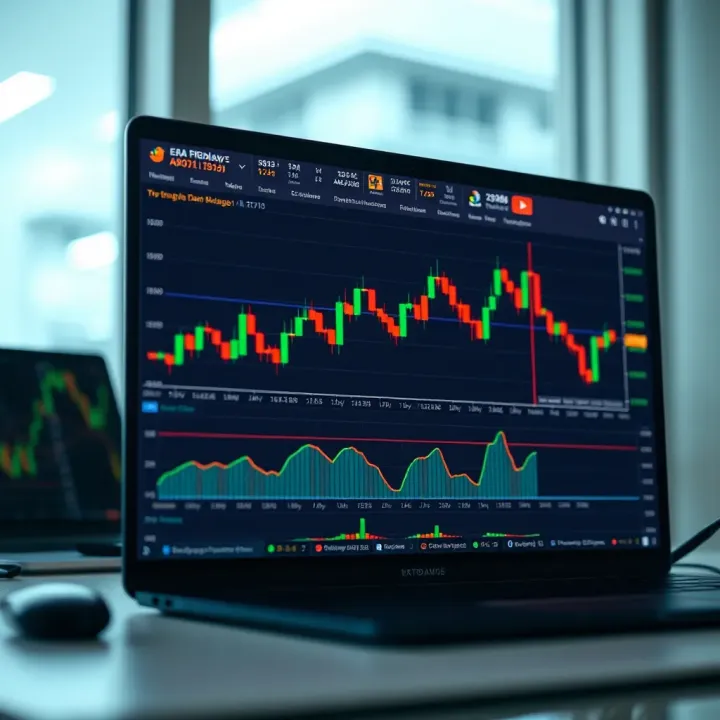
Discover how to pick the best trading platform in Nigeria 🇳🇬. Learn about key features, costs, security & regulations to trade with confidence 💹📊.
Based on 12 reviews