

Crypto Traders on Twitter in Nigeria
Discover how Nigerian crypto traders use Twitter to share insights, alert on risks, discuss strategies, and influence Nigeria’s crypto scene safely 💰📱🚀
Edited By
Sophie Lawson
Metal trading in Nigeria is a significant yet often overlooked part of the economy. It involves the buying and selling of various metals—mainly scrap iron, copper, aluminium, and steel—that serve as raw materials in manufacturing, construction, and technology sectors. Metal traders operate as middlemen who source metals from suppliers, negotiate prices, and sell to buyers like fabricators, manufacturers, or exporters.
In Nigeria, metal traders navigate a distinct market shaped by local demand, regulatory requirements, and supply challenges. A typical metal trader might collect scrap iron from demolition sites in Lagos, source copper cables from industrial offcuts in Kano, or deal in imported tokunbo aluminium sheets. These traders not only understand the physical qualities of the metals but also keep track of market prices, quality grades, and logistics.
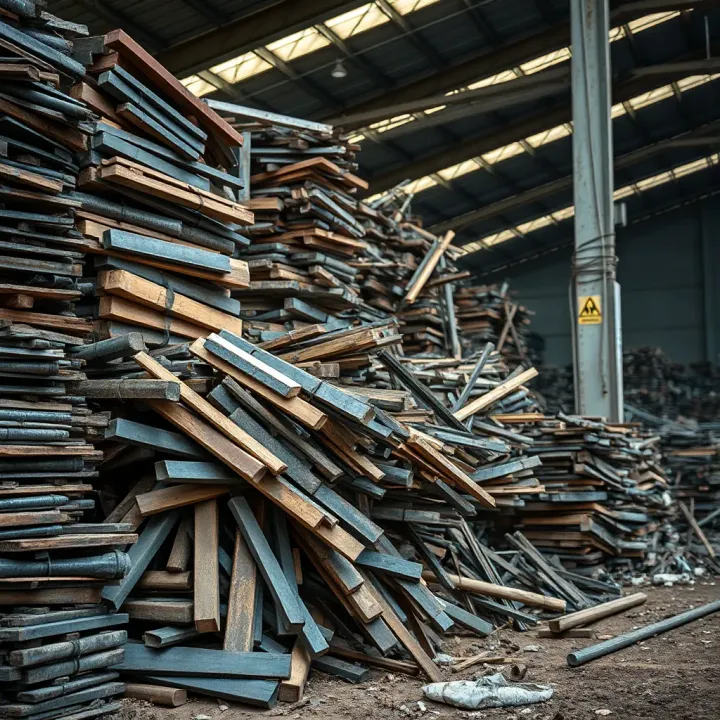
The metal trading business is not just about buying low and selling high. Traders must verify the quality of the metals to avoid losses from substandard goods. For example, copper purity directly affects resale value, so a trader may use simple but effective tests or rely on trusted suppliers and contacts. In addition, metal traders regularly engage with Nigerian regulators, such as the Nigerian Customs Service for imports and the Standards Organisation of Nigeria (SON) for product quality standards.
Succeeding in metal trading requires sharp negotiation skills, a good network, and quick adaptation to market trends and regulatory shifts.
Key metals in trade include:
Scrap Iron: Used mostly in steel manufacturing
Copper: Essential for electrical wiring and electronics
Aluminium: Favoured in construction and packaging
Steel Products: Structural materials for buildings and infrastructure
Despite the opportunities, metal traders face challenges ranging from fluctuating naira exchange rates, security risks in transport, to inconsistent regulatory enforcement. Traders must stay updated on policies, such as import tariffs and export controls, which can heavily impact profitability.
This introduction sets the stage to explore the detailed roles metal traders play in Nigeria, the operational dynamics of their trade, and how the sector influences the broader Nigerian economy.
Metal traders in Nigeria play a key role in connecting the supply of metals with demand, ensuring availability for industries and businesses across the country. Understanding who metal traders are and what they do helps clarify how this sector supports construction, manufacturing, and even recycling activities. For investors and entrepreneurs, grasping these roles reveals opportunities and challenges unique to Nigeria’s metal market.
Buying and selling of metals involves acquiring various metals from producers, scrap collectors, or importers and selling them to manufacturers, fabricators, and end-users. For example, a trader might buy scrap iron from Lagos markets and sell it to a steel mill in Aba. This activity helps ensure metals flow smoothly through the economy without long delays.
Connection between suppliers and buyers is crucial because metal traders act as middlemen who link sources of raw or processed metal to businesses needing these materials. They ease the procurement process by offering ready stock or arranging supply agreements, reducing the search cost and time for both parties. Imagine a trader helping a furniture maker in Enugu to get quality aluminium sheets without the hassle of dealing directly with far-off suppliers.
Functions within the supply chain extend beyond buying and selling; traders manage storage, quality checks, and transport logistics. In practical terms, a trader might organize warehouse space near industrial hubs like Ogun State and coordinate delivery trucks to ensure materials reach customers on schedule. These logistics functions keep Nigerian industries running efficiently despite infrastructural challenges.
Wholesale versus retail metal trading defines how traders serve the market. Wholesale traders purchase large batches, often directly from mines or importers, selling in bulk to manufacturers or other businesses. Retail traders serve smaller buyers, sometimes supplying local workshops or artisans with modest quantities. Both models coexist; for instance, a Lagos trader might wholesale copper coils to electrical companies, while a retail trader supplies copper wires to local electricians.
Specialisation in specific metals allows traders to build expertise and trust. Some focus solely on ferrous metals like iron and steel, catering to construction firms, while others specialise in non-ferrous metals such as aluminium or copper, serving electrical and industrial sectors. Specialisation helps traders stay updated on price trends, quality standards, and demand patterns in their chosen metal segment.
Brokerage and agency roles involve facilitating deals without necessarily owning the metals. Brokers connect buyers and sellers and earn commissions for successful transactions. This model suits traders with vast networks and market knowledge but limited capital to stock inventory. For example, a broker may arrange a bulk scrap metal sale between a scrap yard in Kaduna and a recycling plant in Lagos, smoothing negotiations and paperwork.
Efficient metal trading keeps Nigeria’s manufacturing and construction sectors supplied, supporting growth even amid supply chain hiccups.
Understanding these basics helps reveal how metal traders shape economic activity and offer business opportunities in Nigeria's evolving market.
Understanding the key metals traded in Nigeria is essential to grasp the full scope of the metal trading business. Traders focus mainly on ferrous, non-ferrous, and scrap metals, each offering different opportunities and challenges. These metals play distinct roles in Nigeria’s industrial and economic sectors, influencing demand and pricing.
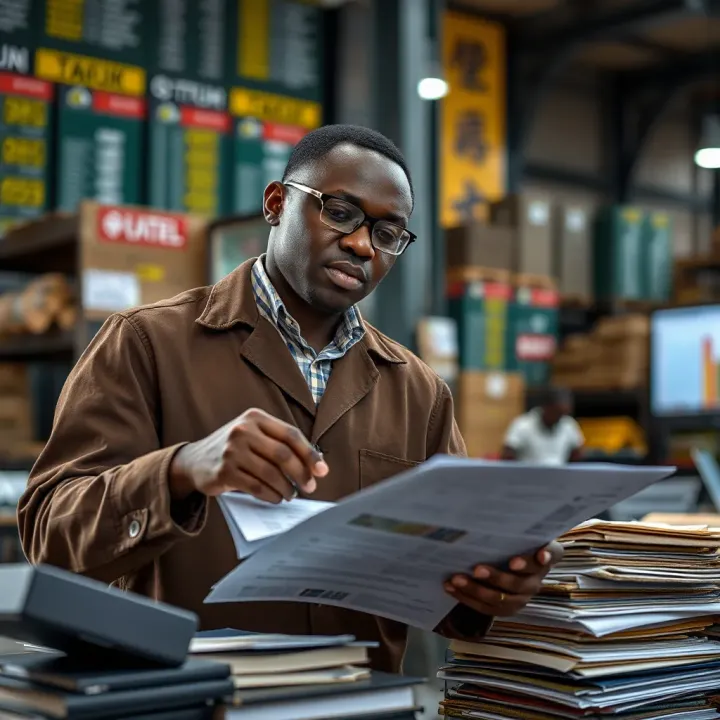
Iron and steel products form the backbone of Nigeria’s construction and manufacturing sectors. These metals, comprising mainly iron and steel alloys, are favoured for their strength and durability. For instance, steel rods and sheets are widely used in building infrastructure such as bridges, commercial buildings, and homes. With Nigeria’s booming urban development, demand for iron and steel remains steady, making these metals a reliable focus for traders.
The practical relevance of ferrous metals extends to manufacturing as well. Industries producing machinery, automobile parts, and household appliances rely heavily on steel components. Local manufacturers often source raw iron or steel to produce goods, creating a steady client base for metal traders. Hence, a good understanding of quality and grades of steel is crucial for traders to meet client specifications.
Non-ferrous metals like copper and aluminium are prized for their conductivity and resistance to corrosion. Copper finds extensive use in electrical wiring and plumbing, sectors growing alongside Nigeria’s increasing electrification and urbanisation efforts. Aluminium is another popular choice because it is lightweight yet strong, often used in packaging, transportation (for example, car parts), and household items.
Precious metals such as gold and silver also play a significant role beyond their industrial uses. Nigeria’s informal and formal sectors trade these metals frequently as investment assets. Gold, in particular, serves as a store of value and a hedge against inflation for many Nigerians. Traders often deal with these metals in larger urban centres where buyers look to secure assets or adornments. Precious metals trading requires careful attention to authenticity and purity standards to maintain trust.
Scrap metal forms a large part of Nigeria’s metal trading market. Traders source scrap metals from local markets, dismantling old vehicles, factories, and construction waste. For example, Lagos and Kano host many informal scrap dealers who collect metals discarded by industries or consumers. This scrap metal is then sold either for reuse in manufacturing or recycling.
Recycling scrap metals offers both environmental and economic benefits in Nigeria. On the environmental side, it reduces the need for mining, lowering pollution and land degradation. Economically, it creates jobs along the supply chain — from collection to processing — and provides more affordable raw materials to manufacturers. Traders benefit from these cycles by maintaining steady stock and offering competitive prices, especially when global metal prices fluctuate.
The trade in ferrous, non-ferrous, and scrap metals reflects Nigeria’s industrial demands and economic realities, making metal trading a dynamic and rewarding business sector.
Ferrous metals: Iron, steel for construction and manufacturing.
Non-ferrous metals: Copper, aluminium, gold, silver for industrial and investment use.
Scrap metals: Sourced locally for recycling, promoting sustainability and cost-efficiency.
Understanding these categories prepares traders, investors, and entrepreneurs to navigate Nigeria’s metal market with better insight and clearer expectations.
Metal trading in Nigeria operates on a mix of local sourcing and importation, strategic pricing influenced by global trends, and logistical coordination spanning the country's vast geography. Understanding how this trade functions helps traders and investors grasp the challenges and identify opportunities in navigating the industry effectively.
Nigeria's metal traders rely greatly on local mines, especially for ferrous metals like iron ore, although these mines are limited in output and often lack modern equipment. This scarcity means many traders supplement their stock by importing metals, particularly non-ferrous and speciality metals, from countries such as China, Turkey, and India. For example, a trader in Lagos might import copper coils to supply manufacturers in the electronics sector. Importation typically involves dealing with customs regulations and fluctuating foreign exchange rates enforced by the Central Bank of Nigeria (CBN).
Working directly with manufacturers and scrap collectors plays a critical role in ensuring a steady flow of materials. Local scrap collectors gather discarded metal from construction sites, defunct machinery, and even electronic waste. This scrap offers an economical metal source and supports recycling initiatives. Traders often establish relationships with manufacturers who produce surplus metal or have offcuts, securing better prices and bulk availability. For instance, a steel fabrication plant in Ogun might supply scraps to a metal trader who then processes and resells it locally.
Metal pricing in Nigeria adjusts not only to local demand but also tracks global market prices. Since metals like aluminium and copper are globally traded commodities, their prices on international exchanges heavily impact local rates. Fluctuations in the London Metal Exchange or Shanghai Futures Exchange ripple through Nigerian markets, affecting how traders set their prices. For example, a slump in global copper prices might lead to a drop in local trading rates, offering manufacturers cost savings but squeezing traders’ margins.
Effective negotiation is a skill metal traders use daily. Pricing agreements depend on payment terms, quantity, metal quality, and delivery timelines. Traders often negotiate bulk purchase discounts or longer payment windows with clients. In Lagos's bustling metal market, it’s common to see extended bargaining sessions where parties meet halfway on price and delivery schedules, balancing profit with customer retention.
Transporting metals between regions within Nigeria involves navigating infrastructure challenges. Moving heavy metal consignments from ports like Apapa in Lagos to inland industrial hubs requires coordination with trucking companies familiar with local routes. Seasonal rains can deteriorate roads, delaying shipments or increasing costs. Some traders mitigate risks by using multi-modal transport, combining road and rail where available.
Managing warehouses is crucial for maintaining metal quality and fulfilling orders promptly. Storage facilities in regions like Lagos, Port Harcourt, and Kano must consider security and protection from environmental effects such as rust. Traders often keep stock levels balanced to avoid excess capital tied up in inventory but large enough to meet client demands quickly, especially during peak construction seasons or ember months when demand rises sharply.
Successful metal trading in Nigeria depends equally on smart sourcing, savvy pricing, and reliable logistics. Each step requires close attention to market changes and operational details to stay competitive in this demanding sector.
Understanding the legal and regulatory landscape is essential for metal traders in Nigeria. It ensures compliance with government rules, prevents legal hiccups, and helps in building a trustworthy reputation. Without proper adherence, traders risk hefty penalties or business closure, especially given Nigeria’s strict controls over foreign exchange and import-export activities.
To operate legally, metal traders must register their businesses with the Corporate Affairs Commission (CAC). This step not only legitimises the enterprise but also protects the trader’s brand and operations. Registration requires submitting necessary documents, paying fees, and choosing an appropriate business structure—sole proprietorship, partnership, or limited liability company.
CAC’s role extends beyond registration; it enforces company laws to maintain transparency and accountability. For example, a metal trading firm registered with CAC can open corporate bank accounts, enter contracts, and legally own assets. This framework reassures partners and clients, demonstrating that the trader meets Nigeria’s business standards.
The Nigerian Customs Service (NCS) regulates imports and exports, with strict guidelines on metal shipments. Metal traders must declare cargo accurately to avoid delays or fines. This includes providing invoices, certificates of origin, and compliance documents. Failure to adhere may lead to confiscation or prolonged clearance times at ports.
Another layer comes from the Central Bank of Nigeria (CBN) with its foreign exchange policies. Since metals are often imported, accessing foreign currency at the official rate can be challenging due to CBN regulations aimed at controlling naira stability. Traders must secure foreign exchange through authorised dealers, or risk paying inflated parallel market rates, which affects profit margins.
Metal trading involves handling heavy and sometimes hazardous materials, which calls for strict compliance with NESREA (National Environmental Standards and Regulations Enforcement Agency) rules. Compliance means managing waste responsibly, avoiding environmental pollution, and ensuring workplace safety practices are in place.
Handling hazardous materials, like certain scrap metals containing toxins, demands proper storage, transportation, and disposal procedures. Ignoring these can lead to environmental damage and health risks, not to mention regulatory sanctions. Traders who manage these responsibly often gain advantages by partnering with companies that prioritise sustainable practices.
Strict compliance with Nigeria’s regulatory framework is not just a legal necessity but a strategic move that protects your business and the environment alike.
By following these legal requirements, metal traders strengthen their operations, enhancing credibility with clients, suppliers, and government bodies.
Metal trading presents a promising opportunity in Nigeria’s bustling industrial and manufacturing sectors. Starting and growing a business in this field requires careful preparation, solid relationships, and resilience against challenges. Understanding how to navigate initial costs, find trusted suppliers and clients, and expand networks digitally can shape the success or failure of your metal trading venture.
Estimating startup costs depends largely on the scale and type of metals you intend to trade. For instance, starting small with scrap metal trading might require ₦500,000 to ₦1 million for purchasing initial stock, transportation, and basic storage. Scaling up to wholesale trading of ferrous or non-ferrous metals could push required capital beyond ₦5 million due to larger inventory and logistics demands. Many traders secure funding through personal savings, bank loans, or informal cooperatives, though access to affordable credit remains a challenge.
Finding reliable suppliers and clients is crucial. You need suppliers who consistently provide metals of acceptable quality and quantity, such as local mines or scrap collectors with verified sources. On the client side, manufacturers, construction firms, and fabricators are typical buyers. Establishing trust early through transparency and timely deliveries helps retain business even when competition intensifies. Traders who maintain clear communication and prompt payment terms often secure repeat clients.
Networking with manufacturers, scrap dealers, and end-users creates avenues for steady supply and demand. For example, a trader connected to a steel factory can predict required materials and plan procurement accordingly. Similarly, fostering ties with scrap dealers in major markets like Alaba International Market in Lagos ensures access to diverse scrap metals. Active participation in trade associations or informal gatherings can open doors to new deals and partnerships.
Using digital platforms to expand your reach has become indispensable. Traders now advertise inventory and negotiate deals through WhatsApp groups, Facebook Marketplaces, or specialised apps for commodity trade. These platforms reduce barriers caused by physical distance, especially for traders located outside major urban centres. Digital tools also help monitor market prices in real time, allowing quicker decision-making and responsiveness to price shifts.
Managing market volatility is an everyday reality. Global metal prices fluctuate due to factors like currency strength, import tariffs, and international demand. Nigerian traders must monitor indices on platforms such as the London Metal Exchange and adjust pricing or inventory accordingly. Hedging through contracts or forward buying is not common but could safeguard margins if properly managed.
Logistics and power supply challenges affect operational efficiency. Inadequate road infrastructure can delay metal deliveries, increasing costs and risking client dissatisfaction. Power outages force reliance on generators, adding to expenses. A practical tip is to locate warehouses close to transport hubs and industrial areas to cut transit time and secure reliable power sources. Collaborating with logistics firms experienced in handling bulky metals also reduces headaches.
Building a successful metal trading business in Nigeria demands hands-on management of capital, relationships, and logistics, but with a thoughtful approach, many traders have turned modest startups into thriving enterprises.
Discover how Nigerian crypto traders use Twitter to share insights, alert on risks, discuss strategies, and influence Nigeria’s crypto scene safely 💰📱🚀

Discover the top richest crypto traders in Nigeria 🤑, their trading methods, backgrounds, and how they shape local crypto markets. Get insights on their ₦-wealth and challenges faced.
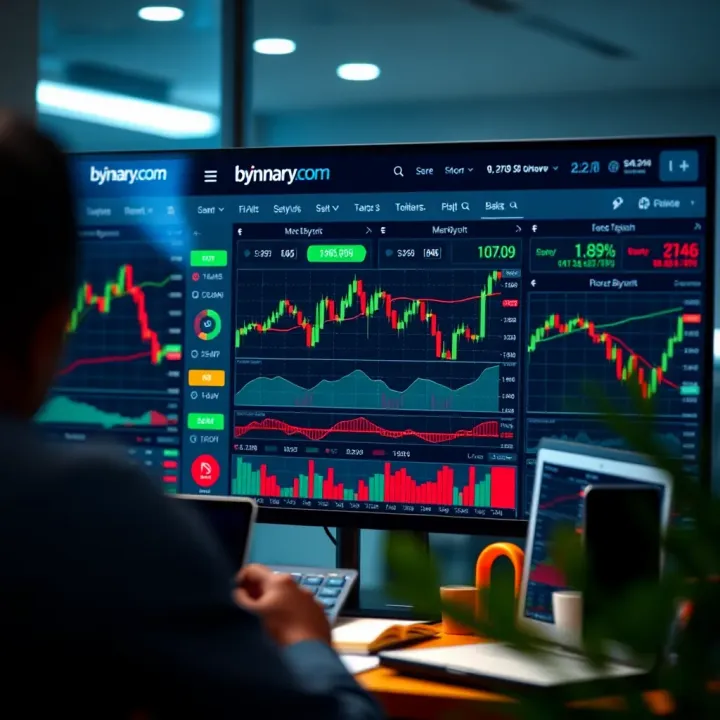
Explore Binary.com’s trading platform 🌐, tailored for Nigerian traders 🇳🇬. Learn about account types, security, risk tips, and how to trade confidently 📈.
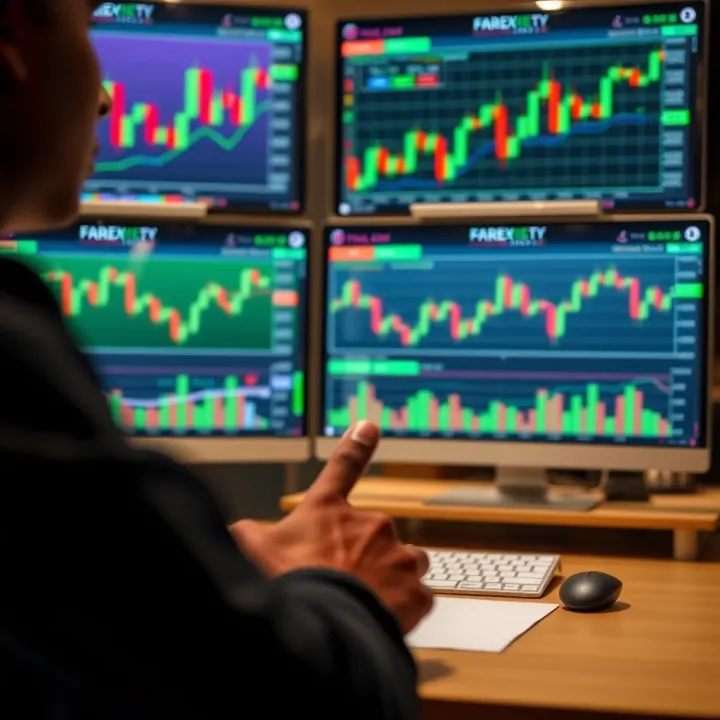
Discover top forex traders in Nigeria 🇳🇬, their winning strategies, popular platforms, and market influence 📈. Learn what sets them apart and boost your trading game 💹.
Based on 13 reviews