
Advantages of Forex Trading Explained
Discover key benefits of forex trading in Nigeria 🇳🇬: easy market access, high liquidity, flexible hours, profit potential, and smart risk management options 📈💰
Edited By
Sophie Reynolds
Forex trading offers the chance to make handsome returns, but it is not without risks. The currency markets can swing sharply in reaction to news like Central Bank of Nigeria (CBN) rate decisions, geopolitical events, or global economic shifts. For Nigerian traders, this volatility combined with leverage can lead to substantial losses if not managed carefully.
Trading without a clear risk strategy is like driving a danfo at night without headlights — it’s a gamble that may end badly. To protect your capital and survive the ups and downs, you need practical tools and disciplined approaches tailored to our market realities.
"Managing risk in forex trading means actively controlling how much you could lose on any trade and not letting emotions drive your decisions."
Understanding how leverage magnifies both profits and losses
Setting stop-loss orders to limit downside in volatile conditions
Using market analysis to avoid poorly timed entries and exits
Maintaining realistic trade sizes based on your account balance
Recognising behavioural biases that lead to rash decisions
By focusing on these principles, you reduce exposure and increase your chances of steady growth. Rather than chasing quick gains like many new traders do, smart risk management is about preserving your ₦ for the long haul.
The following sections will expand on these strategies and provide actionable guidance for Nigerian forex traders keen to trade with confidence and caution.
To trade forex successfully, grasping the risks upfront is non-negotiable. Without recognising where dangers lie, you risk losing more than just money — your confidence and discipline might also take a hit. For traders and investors, especially in Nigeria's dynamic market, understanding market volatility, leverage, and economic triggers forms the bedrock for making informed decisions and protecting capital.
Geopolitical events sharply shake forex markets because they directly affect investor confidence and economic stability. Consider Nigeria’s political climate around election seasons or regional conflicts. These incidents can spike fears of instability, prompting investors to move funds away from the naira to safer currencies like the US dollar or euro. For instance, during the lead-up to the 2019 Nigerian presidential election, the naira experienced significant volatility as investors weighed the political risks. Such swings can present opportunities but also steep risks if you’re caught on the wrong side of a trade.
Central banks, like the Central Bank of Nigeria (CBN), use monetary policy to control inflation and stabilise the currency. Changes in interest rates directly influence forex by affecting demand for a currency. When CBN hikes rates, it can attract foreign investors seeking higher yields, strengthening the naira. Conversely, rate cuts might weaken the currency. Traders who track CBN announcements and policy directions can anticipate these moves. For example, a sudden rate cut can lead to a rapid drop in naira value, impacting forex positions if not hedged properly.
Economic indicators such as GDP growth, inflation rates, trade balances, and foreign reserves reveal the health of an economy and currency prospects. Nigeria’s frequent release of inflation figures or foreign exchange reserves data often causes quick market reactions. If inflation spikes beyond expectations, the naira might depreciate. Staying alert to such reports allows traders to position themselves advantageously or exit risky trades before losses escalate.
Leverage means you can trade using borrowed funds, allowing control of positions larger than your invested capital. Margin is the amount you must put down to open a leveraged trade. Nigerian brokers offering 1:100 leverage let you control ₦100,000 worth of currency with just ₦1,000 margin. This boosts potential gains but requires a solid understanding because even small price shifts can cause large changes in your account balance.
While leverage can multiply profits, it equally magnifies losses. Suppose you buy $10,000 worth of USD/NGN at 415 with 1:50 leverage. A 1% adverse move might wipe out 50% of your margin. A careless trader might quickly exhaust their capital if stops aren’t set. Conversely, smart use of leverage and disciplined risk control can turn small market moves into meaningful profits without excessive risk.
If your losses reduce your account equity below the broker’s required margin, a margin call occurs. This means you must deposit more funds to keep positions open or risk automatic liquidation. Many Nigerian traders face margin calls during volatile periods like the ember months when global economic uncertainties spike. Understanding margin calls helps you plan capital reserves and avoid forced trade closures that lock in losses.
Knowing these risks does not mean avoiding forex trading, but approaching it with a clear, practical mindset that respects market realities. Informed traders manage risks better and turn challenges into opportunities.
Traders looking to protect their investments in forex must prioritise core risk management techniques. These methods help control losses and maximise gains by setting clear rules on trade entries, exits, and capital allocation. Without these, even the sharpest market insights may be wiped out by volatility or emotional decisions. Nigerian traders, in particular, benefit from disciplined approaches due to currency fluctuations and global economic uncertainties.
Setting realistic stop-loss levels means adjusting your exit points based on how volatile a currency pair is. For example, the naira dollar pair often reacts sharply to oil price swings or CBN announcements. Placing stop-loss orders too tight might trigger premature exits during normal price jitters, while too wide stops can result in heavy losses. A sensible approach involves analysing recent price ranges and setting stops slightly beyond average daily movements.
Balancing risk-reward ratios is crucial in every trade. A common guideline is targeting at least a 1:2 ratio, where potential profit is double the possible loss. If you risk ₦10,000 on a trade, aim for ₦20,000 return. This strategy ensures winning trades offset losses and improve long-term profitability. It also helps keep your trading consistent rather than chasing small, risky gains.
Avoiding emotional decisions during price swings protects traders from impulsive exits or excessive risk-taking. Sudden market drops often trigger panic, leading to revenge trades or abandoning strategies. Sticking to your stop-loss and take-profit orders without second-guessing preserves discipline. Some traders use automated orders to eliminate the temptation of manual intervention during volatile periods.
Allocating capital across different currency pairs reduces exposure to a single economic event or market trend. For instance, relying solely on USD/NGN can be risky if oil prices drop or government policies change. Including pairs like EUR/USD, GBP/USD, or emerging market currencies spreads risk and smooths returns. Diversification mimics investing in different assets rather than putting everything in one basket.
Calculating appropriate trade sizes prevents major losses from one bad trade. If your trading capital is ₦500,000, risking 2% per trade means a maximum of ₦10,000 at risk. Position size depends on this risk tolerance and the distance between your entry price and stop-loss. Smaller trade sizes offer a buffer against volatility, giving you room to survive downturns and keep trading.
Preventing overexposure to single markets involves setting limits on how much total capital you allocate to related currency pairs or correlated assets. For example, holding large positions in both USD/NGN and USD/ZAR at once increases risk if the US dollar weakens. Setting caps—such as 30% of total capital per market segment—ensures you don’t suffer outsized losses when one market shifts unexpectedly.
Core techniques like placing smart stop-loss orders and managing your portfolio diversity create a safer trading environment. These practical steps guard your capital from common pitfalls faced by Nigerian forex traders navigating volatile global markets.
Understanding the forex market requires a blend of fundamental and technical analysis. Using these approaches helps traders make informed decisions, reducing exposure to unexpected losses. Fundamental analysis focuses on economic factors and events, while technical analysis looks at price movements and trading patterns. Combining both gives Nigerian traders a clearer picture of market conditions.
Monitoring Nigeria's economic reports and CBN decisions is critical for forex traders dealing with the naira. Reports such as inflation rates, GDP growth, and unemployment figures directly affect currency strength. The Central Bank of Nigeria (CBN) also plays a big role through interest rate changes and monetary policies. For example, when the CBN raises its monetary policy rate, it often strengthens the naira as investors seek higher returns. Traders who keep an eye on these reports can anticipate shifts in naira performance, adjusting their positions accordingly.
Global commodity prices effects on naira are another important consideration. Nigeria’s economy heavily relies on oil exports, so the price of crude oil often dictates the naira’s value. When global oil prices fall, naira usually weakens due to reduced foreign exchange inflows. Conversely, rising oil prices can bolster the currency. As a trader, monitoring crude oil trends alongside geopolitical developments affecting supply can guide decisions on naira pairs. This approach helps avoid sudden losses triggered by external shocks in commodity markets.
Understanding trade balances and foreign reserves impact offers added insight into currency risk. A trade surplus means the country exports more than it imports, which tends to support the naira. Nigeria's trade data can fluctuate because of oil price changes and import demands for machinery or consumer goods. Meanwhile, foreign reserves act as a buffer against currency volatility. If reserves dip below safe levels, the CBN may struggle to defend the naira during sell-offs. Recognising these factors allows traders to anticipate periods of weakness or strength in the naira’s exchange rate.
Using chart patterns and candlestick signals helps identify market sentiment shifts quickly. Popular patterns—like head and shoulders or double tops—can indicate reversals or continuations in price trends. Candlestick formations such as dojis or hammer candles provide visual clues on buying or selling pressure. For example, spotting a bullish engulfing candle near a support level might hint at an upcoming rally. Nigerian traders often combine these signals for more precise timing.
Applying moving averages and support/resistance levels simplifies understanding price momentum and potential barriers. A moving average smooths out price data over a set period, highlighting trend direction. Support levels show where prices tend to bounce back up, while resistance marks where prices struggle to rise further. For instance, if the naira/USD pair keeps bouncing off ₦470 per dollar support, a trader might set buy orders near this level with tight stop-losses.
Incorporating volume and momentum indicators completes the technical picture by confirming price moves. Volume shows how many units traded, signalling the strength behind a trend. Momentum tools, like the Relative Strength Index (RSI), indicate whether an asset is overbought or oversold. In Nigeria’s forex market, where liquidity can vary, paying attention to volume helps avoid false breakouts. Meanwhile, the RSI can warn when a currency pair is about to reverse, supporting smarter entry and exit points.
Combining fundamental and technical analysis equips Nigerian forex traders to manage risks effectively by understanding both market drivers and price behaviour. It is not enough to trade blindly; knowledge of economic events and chart signals makes trading more strategic and less speculative.
Managing the mental and practical sides of trading is just as vital as understanding the markets. Overconfidence or panic can wipe out profits quickly, no matter how sound your strategy. In Nigeria's fast-moving forex markets, traders must maintain discipline, pick trustworthy platforms, and keep learning. These measures build resilience against unpredictable swings and scams alike.
Sticking to a trading plan in volatile markets means having clear rules for entries, exits, and risk levels before you start. When currencies swing wildly, it's tempting to stray from your plan, chasing quick profits or cutting losses too soon. Staying disciplined keeps you from making impulsive decisions that often lead to bigger losses. For example, a trader with a set stop-loss at 1% risk per trade won't suddenly move it to 5% just because the market looks tempting.
Managing fear and greed impulses is about recognising these emotions and not letting them control your trades. Fear might cause you to close positions too early, missing potential gains, while greed can push you to hold on too long or increase risk dangerously. Successful Nigerian traders often use journaling to review trades, spotting when emotion drives choices rather than logic.
Learning from losses instead of chasing revenge trades means accepting that losses happen and analysing them for lessons. Some traders feel the urge to jump right back in with bigger risks to recover losses quickly, which worsens the position. Instead, taking time to review what went wrong and adjusting strategies reduces repeated mistakes, preserving capital.
Checking regulatory compliance and licences ensures the broker operates legally under Nigerian financial authorities or respected international regulators. This safeguards your funds and ensures transparency. Brokers regulated by the Securities and Exchange Commission (SEC) Nigeria or the Central Bank of Nigeria (CBN) are generally safer. Avoid unregulated outfits, which often delay withdrawals or disappear with deposits.
Assessing execution speed and spreads affects how much the market costs you. In high volatility, slow execution causes slippage, meaning you buy or sell at worse prices than intended. Tight spreads lower fees and improve profit margins. Platforms with fast servers and low spreads, like those used by major Nigerian brokers, give traders an edge.
Ensuring safe deposits and withdrawals means confirming the broker offers reliable banking options popular in Nigeria, such as direct bank transfers or USSD payments. Escrowing funds safely prevents cases where deposits vanish or withdrawals stall. Always test small transactions first before committing large sums.
Understanding typical return rates and possible drawdowns helps set practical goals. Forex markets rarely yield overnight riches. Expecting steady 5-10% monthly returns with manageable drawdowns of 10-20% keeps you on track without disappointment. Nigerian traders who aim for realistic targets avoid rash decisions during losing streaks.
Following Nigerian forex experts and reputable sources keeps you updated on local market dynamics and regulatory changes. Industry voices like the Nigerian Stock Exchange or leading fintech founders provide insights relevant to naira fluctuations and policy impacts, offering valuable context for trades.
Participating in webinars and demo trading offers risk-free practice and fresh perspectives. Demo accounts provided by brokers like OANDA or FXTM allow you to test strategies without losing ₦. Regular webinars also expose you to new tools and market outlooks, helping refine your approach and stay ahead.
Discipline, trustworthy platforms, and ongoing education together form the backbone of mitigating forex risks effectively in Nigeria's challenging trading environment.
By combining psychological control with smart broker choices and continual learning, you improve your chances of trading profitably while protecting your capital against sudden shocks.
Discover key benefits of forex trading in Nigeria 🇳🇬: easy market access, high liquidity, flexible hours, profit potential, and smart risk management options 📈💰
Discover how the Asian forex trading session works from Nigeria 🇳🇬. Learn trading hours, market behavior, and strategies tailored for Nigerian traders 📉📈.
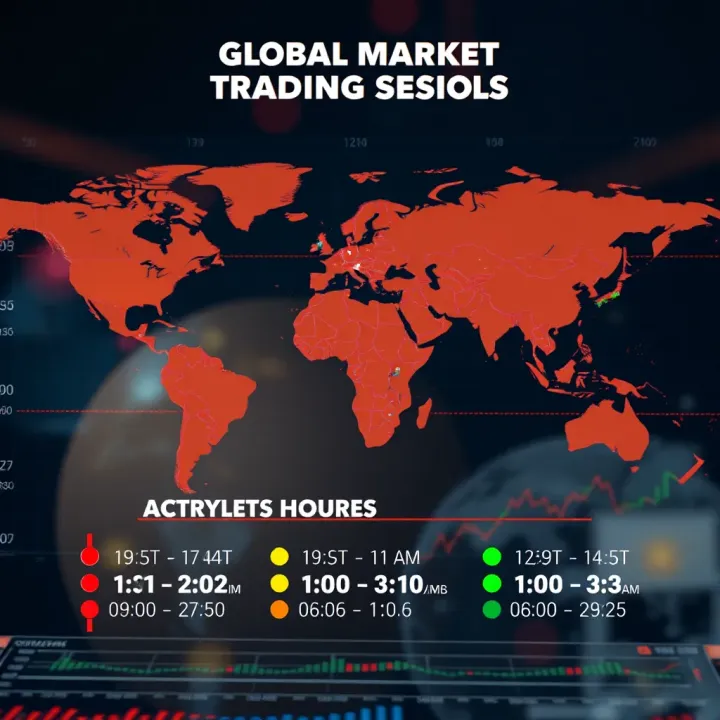
📅 Discover how forex market hours work in Nigeria with a focus on Sunday trading sessions. Learn key tips, global time impacts, and liquidity factors to trade smartly.
Discover how to pick the best trading app in Nigeria 🇳🇬 to earn money 💰. Learn tips, popular apps, risk management, and ways to boost your trading success 📈.
Based on 10 reviews