

TradingView Guide for Nigerian Traders
Explore TradingView with this guide tailored for Nigerian traders 🇳🇬. Learn charting, indicators, global connections, and smart tips to navigate the platform!
Edited By
Victoria Clark
The Sydney session marks the official start of the Forex trading day, running roughly from 10 pm to 7 am Nigerian time (WAT). This session seldom grabs headlines like the London or New York sessions, but it offers a distinctive trading environment with its own opportunities and challenges. Understanding the Sydney session and the currency pairs most active during this period can give traders, especially those in Nigeria, an edge.
Unlike the busier sessions, Sydney tends to have lower volatility, which some traders might see as slow, but it actually allows for more stable trend formations. Liquidity is moderate because markets in Australia, New Zealand, and nearby Asian countries are active while Europe and the US prepare for their own sessions.
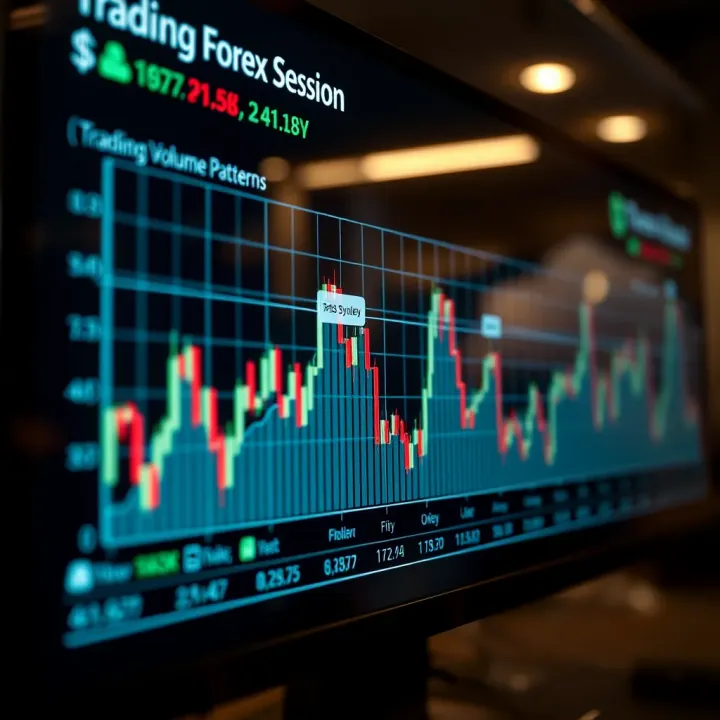
Key currency pairs during the Sydney session include AUD/USD, NZD/USD, and USD/JPY. The Australian dollar (AUD) and New Zealand dollar (NZD) react significantly to market events during this time, especially economic releases from Australia and New Zealand. For example, announcements like the Reserve Bank of Australia’s interest rate decisions often move these pairs noticeably, offering chances for well-timed trades.
Nigerian traders should consider that the Sydney session might align well with late-night trading or early-morning routines, which can suit those balancing daily commitments. Monitoring the session’s activity is helpful, especially when liquidity picks up just before London opens.
To trade effectively during the Sydney session, focusing on the pairs with the most volume and watching for breakouts or follow-through patterns after key news releases is advisable. Using technical tools like support and resistance levels can help identify entry and exit points in this quieter market.
In short, mastering the characteristics of Sydney session pairs and their behaviour equips you to plan trades better and manage risks according to the session's unique rhythm. For Nigerian traders, this means making the most of less crowded markets and avoiding the price gaps often seen with more volatile sessions.
The Sydney Forex trading session marks the beginning of the global Forex market day, making it an important period for traders worldwide. Understanding this session helps traders, especially those in Nigeria, grasp the patterns and characteristics that influence currency movements early in the cycle. This knowledge can sharpen entry and exit strategies, particularly for pairs involving the Australian Dollar (AUD) and New Zealand Dollar (NZD).
The Sydney session officially opens at 10:00 pm Nigerian local time (WAT) and closes at 7:00 am WAT, aligning with the Australian and New Zealand working hours. This seven-hour window offers a unique trading environment characterised by moderate volatility and relatively lower liquidity compared to later sessions like London or New York. The session often displays steady price movements at the start, gradually increasing in activity as business hours progress across the Asia-Pacific.
Traders commonly observe that the AUD and NZD pairs gain the most traction during this period due to economic news releases and market activities in Australia and New Zealand. For example, when the Reserve Bank of Australia (RBA) announces rate decisions or economic data, it can trigger sharp moves that present day traders with profitable short-term opportunities. Besides, the session's quieter market conditions can be advantageous for scalping and range-bound strategies.
Though it may not command the volume of the London or New York sessions, Sydney sets the tone for the trading day by providing an early glimpse into market sentiment. Currency pairs involving Asia-Pacific economies often experience price shifts, affecting global trends. The session's overlap with the Tokyo session for a few hours further increases activity in certain pairs like AUD/JPY and NZD/JPY.
For Nigerian traders, the Sydney session offers access to fresh market moves before the busy London session. It can be a chance to react to overnight developments and plan for higher liquidity periods ahead. Moreover, the Sydney session reflects geopolitical and economic events in the Asia-Pacific, such as China’s trade data or commodity price changes, which impact commodities-linked currencies like the AUD.
Keeping a close eye on the Sydney session allows Nigerian traders to spot early trends and exploit the less crowded trading conditions before global volume ramps up.
In summary, the Sydney Forex session's timing and unique market characteristics provide a strategic opening for trading certain currency pairs. Its role in connecting overnight Asia-Pacific market activity with the coming European and American sessions makes it a valuable part of the global Forex market puzzle.
Understanding which currency pairs are active during the Sydney session significantly improves decision-making for Forex traders. This session marks the start of the global trading day, with the Australian Dollar (AUD) and New Zealand Dollar (NZD) pairs showing distinct patterns influenced by regional economic data and market sentiment. Focusing on these pairs can help Nigerian traders identify practical trading opportunities based on liquidity, volatility, and the timing of relevant news releases.
AUD/USD is one of the most traded pairs during the Sydney session due to Australia’s economic influence and trade links, especially with China. This pair tends to show moderate volatility early in the session, often reacting to data releases like employment figures or commodity prices, which Nigerians who track these pieces can align with for timely trades. For example, when iron ore prices move, AUD/USD often responds, giving traders a chance to capitalise on these moves within a few hours after market opening.
AUD/JPY pairs combine the Australian Dollar with the Japanese Yen and display interesting dynamics in this session. Although less liquid than AUD/USD, AUD/JPY gains traction as the Tokyo market overlaps slightly with Sydney’s close. This pair reacts sharply to shifts in risk appetite; when risk is low, Yen usually strengthens, pushing AUD/JPY down, and vice versa. Nigerian traders looking for swings linked to geopolitical news or Asian market trends often watch this pair closely.
AUD/NZD represents two closely connected economies in the Pacific, showing unique but less volatile movements in the Sydney session. Traders interested in this pair should note the high correlation due to shared economic factors like trade data, interest rates, and commodity exports. Though it doesn’t move as dramatically as AUD/USD, AUD/NZD can present steady opportunities for range-bound or breakout trades, especially when market sentiment around Australia or New Zealand shifts.
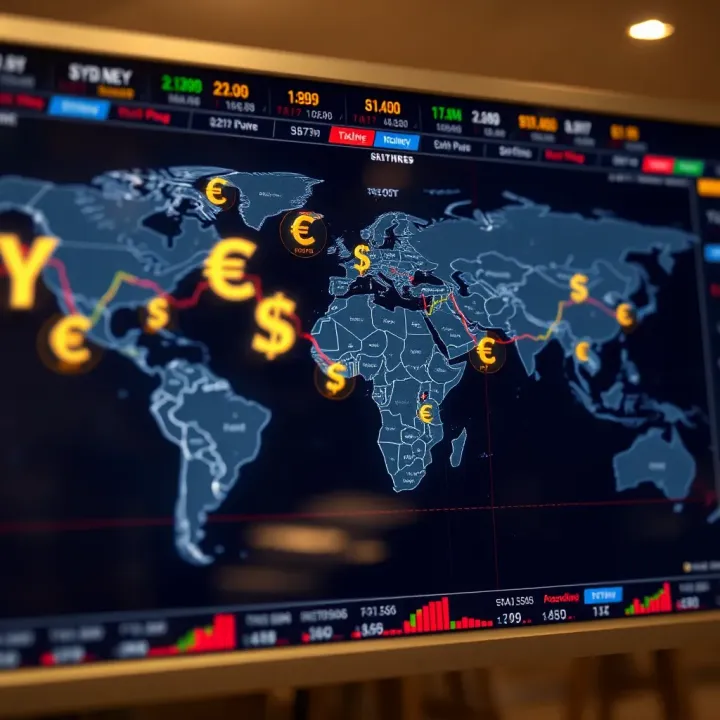
NZD/USD mirrors AUD/USD in many ways but carries its nuances influenced by New Zealand’s economic releases and dairy exports. Its liquidity peaks during the Sydney session, as market participants digest news relevant to the Asia-Pacific region. Nigerian traders can benefit from tracking NZD/USD moves alongside commodity prices, particularly milk and meat, which tend to affect the pair's value.
NZD/JPY gains volume during the early Sydney session and remains favored for its responsiveness to broader market risk sentiment. Like AUD/JPY, this pair is sensitive to positive or negative risk trends between investors. For instance, during global uncertainty, the Yen usually gains strength, and NZD/JPY dips, offering potential short-selling trades for savvy traders in Nigeria.
USD/JPY is not at its peak during the Sydney session but still commands attention due to the Yen’s safe-haven status. Movements are generally calmer unless there is an unexpected geopolitical event. Nigerian traders should exercise patience with USD/JPY in this time frame but watch for early Asian market reactions, which can set the tone for the Tokyo session.
GBP/USD, known as the “Cable,” sees lighter volume in the Sydney hours, but it remains relevant for traders placing early bets before European markets open. While volatility is subdued, price gaps sometimes appear when major UK or US economic indicators are released later, so Nigerian traders may use Sydney’s quiet hours to plan trades ahead of the London session.
Focus on these active pairs during the Sydney session helps traders spot timing advantages and better manage market risks, especially when balancing local challenges like internet stability and market timing from Nigerian local hours.
Volatility and liquidity are key drivers shaping trading activities during the Sydney Forex session. Understanding these factors helps traders spot good entry and exit points, actively manage risks, and choose pairs that fit their trading style. Despite being a quieter session globally, the Sydney period offers unique opportunities, especially for Nigerian traders adjusting their schedule to the market's rhythm.
Volatility measures how much a currency pair’s price moves within a given period. During the Sydney session, volatility tends to be lower compared to London or New York, but that does not mean trading here lacks potential. For example, the AUD/USD pair often displays moderate swings as Australia and New Zealand release economic data related to employment or trade balance early in their trading day.
These controlled price fluctuations allow traders to apply strategies like range trading or breakout plays with clearer stops and targets. Consider a Nigerian trader who prefers trading around midnight local time—Sydney session volatility aligns well with risk tolerance for limited margin accounts.
Still, the key is to watch for sudden bursts in volatility when unexpected news hits or if Asian markets begin to stir. Such spikes create short windows for quick gains but demand sharp focus and swift execution.
Liquidity in the Sydney session is shaped by market participants mainly from the Asia-Pacific region, including Australia, New Zealand, and Japan’s early market moves. Although the overall trading volume is lower than other sessions, this liquidity is often concentrated in AUD and NZD pairs.
For instance, USD/JPY starts gaining liquidity towards the end of the Sydney session as Tokyo opens, but AUD/NZD pairs are more active right from the session’s open. Traders should anticipate some slippage or wider spreads during off-peak hours but can still take advantage of predictable liquidity patterns.
Factors such as public holidays in Australia or Japan, or central bank commentary, can briefly reduce market depth, making order execution tricky for large volumes. That said, reputable brokers serving Nigerian clients often provide tighter spreads and good execution speeds even during quieter hours.
Navigating Sydney session's unique volatility and liquidity helps Nigerian traders better time their trades and control risk, turning local challenges like power or internet issues into manageable factors.
In summary, being mindful of Sydney session volatility and liquidity nuances lets traders decide when to be active and which currency pairs to focus on. Realistic expectations and a disciplined approach to timing will always pay off—especially when paired with practical risk controls suited to Nigeria’s trading environment.
Trading during the Sydney session requires deliberate strategies because this period presents unique market behaviours. The session is characterised by moderate liquidity and lower volatility compared to London or New York, yet it offers opportunities centred on Asia-Pacific currencies like AUD and NZD. Nigerian traders who understand these nuances can craft approaches to optimise profits and manage risks effectively.
For Nigerian traders, aligning trading hours with local time is key. The Sydney session runs roughly from 9 pm to 6 am Nigerian time (WAT), so it often overlaps with late-night or early-morning hours locally. To sustain focus during these off-peak hours, traders should prioritise disciplined trade plans and use automation tools such as Expert Advisors on MetaTrader. One practical tactic is focusing on AUD/USD and NZD/USD pairs, which tend to show clearer, steadier trends during this window. For example, if Australian economic data is pending, watching AUD/USD momentum can offer good directional cues.
Another approach is employing range trading strategies since the session often experiences limited price swings. Using indicators such as RSI or Bollinger Bands can help spot overbought or oversold conditions. Nigerian traders should also leverage demo accounts to test these methods before applying real capital, given the session's idiosyncratic liquidity.
Risk management during the Sydney session is about controlling exposure to lower liquidity and sudden price moves caused by Asian market news. Traders should always place stop-loss orders, setting them wider than usual to account for potential spikes but narrow enough to avoid heavy losses. Position sizing is crucial; smaller trade volumes reduce the risk from unpredictable swings.
Naira traders must also consider their broker’s spread adjustments overnight, as wider spreads can inflate costs during Sydney hours. For example, if the AUD/USD spread doubles at night, a trader might close positions earlier or wait for tighter spreads.
Moreover, sudden events like RBA (Reserve Bank of Australia) announcements can lead to sharp moves. Staying alert to the economic calendar helps Nigerian traders avoid entering the market just before high-impact releases.
An essential edge during the Sydney session comes from timely use of Asia-Pacific economic data. News from Australia, New Zealand, and sometimes Japan influences Forex pairs during this period. Nigerian traders should monitor releases like Australia’s GDP, employment figures, and the Official Cash Rate decisions by the RBA, as these shape AUD-based pairs significantly.
For instance, a higher-than-expected Australian job creation report can trigger strength in AUD/USD overnight, presenting entry points for swing trades. Keeping access to reliable news sources and economic calendars tailored to the Asia-Pacific time zone can enhance decision-making.
Using economic events as signals complements technical analysis, turning trading decisions from guesswork into calculated moves.
Furthermore, Nigerian traders could track speeches or statements from central bank officials, which sometimes cause price volatility. Combining news-based insight with technical indicators creates a balanced trading strategy during Sydney hours.
In summary, trading Sydney session Forex pairs successfully requires a mix of well-timed methods, prudent risk control, and a sharp focus on economic releases from the Asia-Pacific region. Nigerian traders embracing these elements can navigate this session’s unique pace and boost their Forex outcomes.
Trading during the Sydney session offers unique opportunities, but Nigerian traders must navigate specific challenges to make the most of it. This section highlights key practical aspects that can affect your trading experience and results.
The Sydney Forex session runs roughly from 10 pm to 7 am Nigerian time (WAT). This timing overlaps mostly with Nigerian night hours, meaning most retail traders will be active when many Nigerians are asleep or engaged in late-night activities. To stay sharp, traders should plan trades during early Sydney hours when liquidity is higher, typically between 10 pm and 1 am WAT. Some serious traders use alerts or automated strategies to catch opportunities without staying glued to their screens all night. For instance, if you prefer manual trading, setting alarms for key economic releases from Australia or New Zealand that happen in early Sydney hours can help you respond promptly.
One practical hurdle Nigerian traders face is unreliable power supply and unstable internet connections, especially at night. Trading during the Sydney session means often working through the night, when power cuts can be more frequent. To avoid missing crucial trades or having open positions stranded, consider investing in a quality Uninterruptible Power Supply (UPS) and a standby generator. Pair this with a mobile data backup plan from reliable telecom providers like MTN or Airtel. Using apps that function well on limited bandwidth can also improve the trading experience.
Remember, even a brief disconnection can lead to significant losses, especially when trading volatile pairs like AUD/USD or NZD/JPY during the Sydney session.
Selecting a broker suited for Sydney session trading matters a great deal. You need a broker that offers tight spreads and good execution during off-peak Nigerian hours. Not all international brokers maintain high liquidity when the Lagos or Abuja offices are closed. Look for brokers regulated by reputable bodies like SEC Nigeria or international entities with servers that handle Sydney session activity well.
Also, check their platform stability, overnight swap rates, and customer support availability during Nigeria’s late hours. Brokers like FXTM, Pepperstone, and IC Markets are popular among Nigerian traders for their swift execution and competitive pricing. Demo accounts let you test how well they perform during the Sydney session before committing real funds.
Trading Forex at odd hours demands preparation beyond market knowledge. Without accounting for local realities—like power supply and internet—you risk losing more than just money.
Practical planning around timing, infrastructure, and broker choice can tilt the odds in your favour when trading Sydney session Forex pairs from Nigeria. Adapting to these factors turns potential hurdles into manageable steps for consistent success.
Explore TradingView with this guide tailored for Nigerian traders 🇳🇬. Learn charting, indicators, global connections, and smart tips to navigate the platform!

Explore Deriv.com for Nigerian traders 🇳🇬! Learn account setup, payment methods, trading tips, security, and how to trade smartly and safely online 📈💼.

📊 Discover which platform fits Nigerian traders best—TradingView or Deriv.com. Explore charting, market options, ease of use, and support in detail.

Explore binary options trading in Nigeria 🇳🇬 with this guide covering basics, risks, regulations, and tips to trade smart and avoid pitfalls 🚀📉📊
Based on 13 reviews