
Understanding Infinity Forex Funds in Nigeria
Explore how Infinity Forex Funds works and its role for Nigerian investors 🇳🇬. Learn risks, benefits & how to pick trusted forex managers for ₦-wise investing.
Edited By
Isabella Clarke
Synthetic trading is gaining ground in Nigeria's financial markets as investors seek fresh ways to navigate price swings and risk. At its core, synthetic trading uses derivatives like options and futures to build financial positions that mimic owning an asset, but without actual ownership. This method can offer investors a more flexible, often cost-efficient route to participate in markets.
In the local context, where access to certain foreign assets or direct shares can be limited or costly, synthetic trading opens doors. Instead of buying stocks or commodities outright, a trader might use a combination of call and put options to replicate owning the stock or bet on its price move. This approach helps manage exposure and hedge risks without tying up large capital amounts.
Investors in Nigeria can use synthetic positions to diversify portfolios and respond quickly to market shifts, even when cash or access is tight.
Synthetic trading involves creating a set of contracts that behaves exactly like the underlying asset. For example, instead of buying ₦1 million worth of Nigerian Stock Exchange (NGX) shares, an investor could buy call options and sell put options for the same stock at the same strike price. The result? The synthetic position will profit or lose as if the investor owned the shares.
This flexibility is valuable when direct asset purchase faces hurdles—like long settlement times, regulatory barriers, or funding constraints common in Nigerian markets.
Lower capital requirement: You control exposure with less upfront cash.
Hedging risks: Synthetic trades help protect existing investments without selling them.
Access to restricted markets: Enables indirect entry where direct ownership is difficult.
Leverage: Investors can amplify potential returns, though this boosts risk too.
Understanding derivatives pricing, broker charges, and regulatory guidelines from the Securities and Exchange Commission (SEC) Nigeria is vital to avoid costly mistakes. Derivatives trading also demands careful monitoring due to rapid market swings.
In practice, synthetic trading can supplement traditional investments, providing Nigerian investors with more tactical tools to navigate economic uncertainties, naira volatility, and market ebbs.
This article will walk you through common synthetic strategies, risks involved, and how to apply these concepts pragmatically in your portfolio.
Understanding synthetic trading is key for Nigerian investors aiming to diversify their strategies without the need to directly own assets. It allows you to mimic the behaviour of underlying assets—like stocks or commodities—using derivatives. This approach can offer flexibility and capital efficiency, especially in markets where direct access to some assets might be limited or expensive.
Synthetic positions in finance refer to arrangements where derivatives are combined to replicate the payoff of owning an asset without actually holding it. For example, instead of buying shares in a company, a trader could use options contracts to gain similar exposure to that stock’s price movements. This is practical for investors who want to take advantage of market opportunities without tying up funds in buying the actual asset.
Unlike direct asset ownership, synthetic trading does not involve possession of the physical asset or security. Instead, it depends on contracts based on the asset’s price movements. This difference matters because it changes your risk profile, capital requirements, and sometimes regulatory obligations. For instance, buying a share may require upfront capital equal to the share price, but creating a synthetic equivalent using options might need significantly less capital upfront.
The main derivatives used for synthetic trading are options, futures, and swaps. Options give the right, but not the obligation, to buy or sell an asset at a set price before a specified date. Futures contracts bind the buyer and seller to transact at a predetermined price and date. Swaps are agreements to exchange cash flows, often linked to interest rates or currencies. These tools provide the building blocks for creating synthetic exposures.
By combining these instruments, investors can form positions that behave like owning the underlying asset without actual ownership. For example, holding a call option plus shorting a put option on the same stock can simulate the payoff of owning that stock (called a synthetic long). Such strategies allow investors to tailor their exposures with precision, manage risk, and sometimes reduce costs compared to direct asset purchases.
Synthetic trading opens doors to strategies that would otherwise require more capital or access. For Nigerian investors, grasping these mechanics means stepping beyond traditional buy-and-hold approaches.
Key points to remember:
Synthetic positions replicate asset performance using derivative contracts.
They require less capital but involve understanding derivative mechanics.
Options, futures, and swaps form the core of synthetic trading tools.
Combining these provides flexibility for exposure and risk management.
For Nigerian traders exploring new avenues, knowing how synthetic trading works gives you a practical toolkit to navigate the market with smarter, more strategic moves.
Synthetic trading strategies provide investors alternative ways to take market positions without directly owning the underlying assets. These approaches often use combination of options and other derivatives to replicate exposures efficiently. For Nigerian investors, mastering common synthetic strategies can boost portfolio flexibility and risk management, critical in a market where direct access to some assets or markets may be challenging.
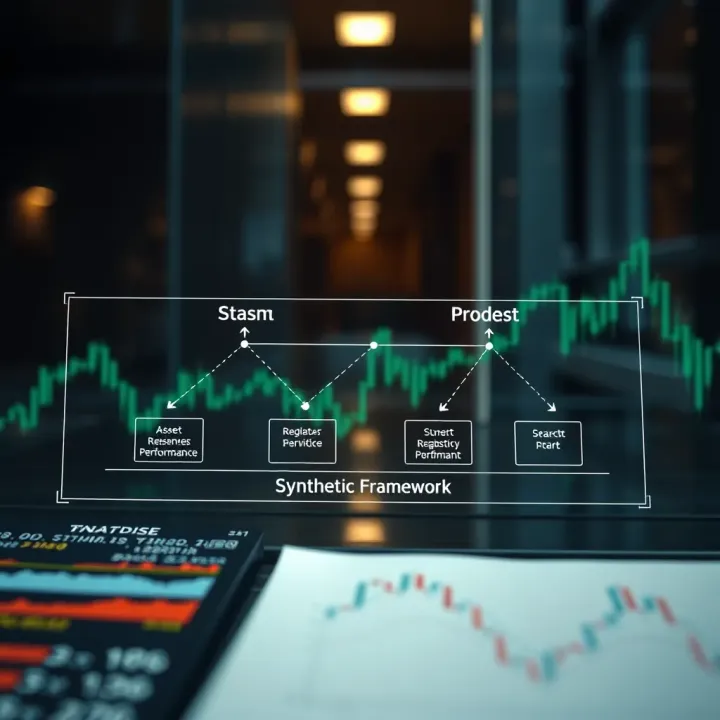
Constructing synthetic longs using options involves creating a position that mimics owning the asset without buying it outright. Typically, this is done by buying a call option and simultaneously selling a put option at the same strike price. This combination exposes you to potential price rises just like owning the stock but often requires less upfront capital compared to buying the asset directly. In Nigeria, where access to certain stocks might be limited or expensive, synthetic longs give traders a practical way to benefit from expected price gains without full ownership.
Creating synthetic shorts to profit from declines also uses options but in a reverse manner. A synthetic short position is created by buying a put option while selling a call option at the same strike price. This setup profits when prices fall, allowing investors to speculate on declines or hedge existing holdings. Given the volatility in oil prices and currency fluctuations that impact Nigerian equities, synthetic shorts offer a practical hedge without the logistics of borrowing and selling assets outright.
Using synthetic spreads to manage risk means combining derivative contracts to limit exposure and reduce potential losses. For example, an investor might buy one option contract and sell another with a different strike price or expiry, forming a spread that caps downside risk but also limits upside gains. This approach is useful in Nigeria's still-developing derivative markets, allowing measured risk-taking especially during periods of economic uncertainty or policy shifts.
Arbitrage opportunities with synthetic instruments arise when price differences exist between synthetic positions and the actual underlying assets or between various derivative contracts. Savvy investors can exploit these gaps to lock in risk-free profits. For instance, if a synthetic long position in an NGX-traded stock is priced differently compared to physically owning the share, a trader may buy the cheaper side and sell the more expensive one. While arbitrage tends to narrow such gaps quickly, Nigerian markets sometimes show inefficiencies due to lower liquidity, making arbitrage strategies worth understanding.
Synthetic trading strategies offer practical tools for Nigerian investors to flexibly position portfolios, manage risks, and capitalise on market inefficiencies without full ownership of assets. Gaining familiarity with these can open new windows especially in constrained or volatile markets.
Synthetic trading presents Nigerian investors with unique benefits and challenges that require careful consideration. Understanding these will enable traders to better harness derivative instruments while mitigating inherent risks.
Synthetic trading offers a way to control larger positions with a fraction of the capital usually required. For example, using options to construct a synthetic long position in a stock allows investors to gain exposure equivalent to owning the stock without paying its full price upfront. This mechanism helps investors with limited funds stretch their capital and potentially amplify returns.
In the Nigerian market, where access to large amounts of capital can be difficult for retail investors, this leverage allows participation in markets like NSE-listed shares or international assets through derivatives. However, while it improves capital efficiency, higher leverage also means risks magnify quickly if markets move against the position.
Synthetic positions allow investors to tailor exposures finely, beyond what direct asset ownership offers. For example, an investor may create a synthetic short position by combining options, profiting from expected declines without short selling shares directly, which is often restricted or expensive on NGX.
This flexibility supports dynamic risk management. Investors can switch views, hedge specific portfolio risks, or adjust exposure to sectors and currencies without selling assets outright. This is particularly useful in Nigeria’s volatile markets, where conditions can change rapidly, and investors need versatile tools.
Some assets or markets are off-limits or impractical for direct investment due to local regulations or high costs. Synthetic trading opens these doors by using derivatives to mirror asset performance without physical ownership.
For instance, a Nigerian investor could gain synthetic exposure to global oil prices or foreign equities, using futures or options available through international brokers. This broadens diversification opportunities, which is vital in an economy with concentrated market sectors and currency volatility.
Synthetic positions often depend on counterparties, such as brokers or financial institutions, to honour contracts. In Nigeria, where some financial entities may have weaker regulatory oversight or uncertain creditworthiness, counterparty failure poses a significant threat.
Moreover, market risk remains a primary concern. Due to leverage and complexity, even small price changes can cause outsized losses. For example, a sudden naira depreciation combined with leveraged futures positions could wipe out gains and capital.
Derivatives and synthetic strategies require a solid grasp of market mechanics, pricing, and risk management. Novice investors might struggle with options Greeks or valuation nuances, leading to mistakes like overexposure or mis-timed trades.
In Nigeria, limited availability of training resources and financial literacy on derivatives compounds this challenge. Those new to synthetic trading should prioritise education or work with experienced advisers.
Derivative markets in Nigeria are still developing. The Nigerian Stock Exchange (NGX) and Securities and Exchange Commission (SEC) regulate some products but offerings remain limited compared to global markets.
Liquidity is another hurdle. Thin trading volumes in derivatives or synthetic instruments can increase bid-ask spreads, making entry and exit expensive. This impacts effective price discovery and may deter active trading.
Investors need to balance the flexibility and leverage of synthetic trading against the regulatory and market realities of Nigeria. Proper education, risk management, and choice of reliable brokers are critical to navigating these complexities.
Synthetic trading is gaining traction among Nigerian investors as it offers alternative routes to market exposure without outright asset ownership. In Nigeria, where traditional markets can be volatile and direct asset acquisition sometimes costly or restricted, synthetic products provide a way to hedge risks or take speculative positions more efficiently. For example, leveraging derivatives to mimic the movement of stocks listed on the Nigerian Stock Exchange (NGX) can help investors react rapidly to market changes without the need for full capital deployment.
The Nigerian Stock Exchange (NGX) has started to expand its offerings beyond equities to include derivative instruments, though the market is still developing. Presently, futures contracts on commodities like cocoa and palm oil, alongside some equity derivatives, are available on the NGX platform. This allows investors to engage in synthetic trading by using futures to replicate positions on physical assets or stocks, supporting price discovery and portfolio diversification.
Meanwhile, the limited liquidity and low participation in derivatives markets mean investors often face challenges in executing large synthetic trades without affecting prices. However, NGX's efforts to promote financial innovation and deepen the derivatives market are expected to provide more options for Nigerian traders in the near future.
The Securities and Exchange Commission (SEC) Nigeria plays a vital role in regulating synthetic trading and derivatives. Strict guidelines govern these financial instruments to protect investors from excessive risks and fraud. SEC's regulatory framework mandates transparency and disclosure requirements for brokers and market operators, ensuring that synthetic transactions are conducted fairly and securely.
For Nigerian investors, complying with these regulations reduces counterparty risks and enhances trust in derivative markets. However, they must remain mindful of regulations regarding margin requirements, trading limits, and reporting to avoid penalties or trading restrictions.
Retail and institutional investors interested in synthetic trading can start by educating themselves on derivative mechanics through workshops or reading materials provided by the NGX and SEC. Practical steps include opening trading accounts with brokers licensed to handle derivatives, understanding contract specifics, and starting with small, manageable positions. Institutions may benefit from tailored risk management tools to integrate synthetic exposure into broader portfolios efficiently.
On the technology front, Nigerian fintech platforms like OPay and Kuda are beginning to offer investment products that touch on derivatives, though these are mostly limited to basic exposure. Meanwhile, foreign brokers provide more comprehensive access to synthetic instruments but come with challenges such as currency exchange rates, compliance with Nigerian tax laws, and the need for international payment methods.
Choosing between local platforms and foreign brokers depends on factors like product variety, costs, regulatory protections, and ease of access. For many Nigerians, local fintech solutions offer convenience and better alignment with domestic regulations, while foreign brokers might appeal to experienced traders seeking wider markets and more sophisticated synthetic trading tools.
Nigerian investors must balance access, costs, and regulatory compliance when engaging in synthetic trading to make informed and profitable decisions.
In summary, synthetic trading is becoming more relevant in Nigeria as derivatives markets grow and investors look for flexible ways to manage risks and explore new opportunities. Awareness of the current state of derivative products at NGX, adherence to SEC regulations, and careful choice of trading platforms will help investors unlock the practical benefits of synthetic trading in Nigeria.
Synthetic trading can offer Nigerian investors flexible ways to gain market exposure or hedge risks. However, diving in without a sound approach risks heavy losses, especially given derivatives’ complexity. Following best practices brings clarity and control, helping you avoid costly mistakes and take smarter positions.
Understanding derivative mechanics is fundamental. Derivatives, like options and futures, aren’t the actual assets but contracts whose value depends on them. For example, by buying call options on an NGX-listed stock, you mimic owning it without buying shares outright. This requires grasping terms like strike price, premium, and expiry. Without this basic knowledge, traders can misinterpret movements and costs, leading to wrong bets or unexpected losses.
Besides the mechanics, following market trends and regulatory updates ensures you stay relevant. Nigerian markets evolve; the SEC sometimes issues new rules affecting derivative trading. For instance, restrictions on margin trading or new requirements for documentation could impact your ability to trade certain synthetic products. Keeping tabs on economic news, NGX announcements, and fintech developments (like OPay or Flutterwave integrating derivatives access) sharpens your timing and compliance.
Setting limits and stop-loss points safeguards your capital. Synthetic positions can magnify gains but also losses. By deciding upfront to close a position if your loss reaches a defined threshold (say 5% of your initial capital), you prevent a small slip from snowballing. Nigerian investors juggling multiple sources of income must protect key funds, especially amid naira volatility.
Portfolio diversification to reduce exposure is another bedrock. Instead of putting all funds in synthetic positions on one sector—like banking stocks—you spread risks across different assets or synthetic instruments. This balances out shocks. For instance, combining synthetic exposure to oil companies with those in tech can mitigate losses if oil prices suddenly plunge.
Criteria for evaluating brokers in Nigeria is vital. Look for brokers registered with the Securities and Exchange Commission (SEC Nigeria) and recognised by the Nigerian Stock Exchange (NGX) when possible. Check if they have a valid licence to offer derivatives, customer support availability, and user-friendly digital platforms. Since synthetic trading often involves rapid transactions, reliable technology and execution speeds matter.
Importance of transparency and compliance cannot be overstated. Ethical brokers openly disclose fees, possible risks, and trading conditions. For example, finding out beforehand about hidden spreads or margin calls helps you plan better. Equally, compliance with Nigerian financial laws protects you against scams or sudden legal hurdles. When a broker operates above board, your trades are safer, and your peace of mind improves.
Entering synthetic trading without preparation is like driving a danfo in Lagos traffic without knowing the rules—it’s risky and likely to lead to trouble. Equip yourself with knowledge, manage risks cautiously, and pick trusted partners to navigate this space confidently.
Explore how Infinity Forex Funds works and its role for Nigerian investors 🇳🇬. Learn risks, benefits & how to pick trusted forex managers for ₦-wise investing.

Discover how Nigerian traders can pick the right trading websites, secure their funds 🔒, handle naira fluctuations ₦, and use local payment options like USSD effectively.
Explore top online trading tips for Nigerians 🇳🇬. Learn how to pick reliable platforms, manage risks, and navigate asset classes within Nigeria’s financial rules 📈💹.
Discover practical tips on forex trading in Nigeria 🇳🇬, including key regulations, common challenges, and how technology is shaping ₦trading for local traders.
Based on 7 reviews