
Top Forex Traders in Nigeria: Strategies and Success
📊 Explore top Nigerian forex traders, discover their expert strategies, navigate local challenges, and learn about key platforms and regulations for success.
Edited By
Amelia Reed
Choosing a reliable forex broker is the first step for anyone serious about trading currencies, especially Nigerian traders who face unique challenges such as naira volatility and limited payment gateways. This guide highlights key elements to look for when selecting a broker and previews some of the best platforms traders around the world trust.
Brokers differ in many ways, but these factors usually make or break the trader's experience:
Regulation and Security: Always look for brokers licensed by reputable regulators like the Financial Conduct Authority (FCA) or the Cyprus Securities and Exchange Commission (CySEC). These brokers abide by strict rules protecting your funds, which is not always the case with two-timer brokers flying under the radar.
Trading Costs: Spreads and commissions directly affect your profit margin. Top brokers offer tight spreads—sometimes as low as 0.1 pips on major pairs—plus low or no commissions. This matters more during frequent trades.
Trading Platforms: The user interface quality and tools determine how efficiently you trade. Platforms like MetaTrader 4 and MetaTrader 5 remain widely popular for their custom indicators and automated trading. Some brokers also have their own apps tailored for smartphones, handy for traders on the go across Nigerian cities.
Payment Options and Currency Support: Nigerian traders benefit from brokers supporting deposits and withdrawals in naira or via familiar payment channels like Paystack, Flutterwave, or direct bank transfers. This reduces forex conversion hassle and extra charges.
Customer Support: Responsive customer service, available via chat, email, or phone, makes a difference when issues come up, especially across time zones.
Naira's fluctuating value against the dollar means transaction costs can spike unexpectedly. Also, some brokers don’t allow local payment methods, forcing traders to use expensive international wire transfers or unreliable third-party processors. With such factors in mind, the choice of broker impacts both cost and convenience in daily trading.
Next sections will cover specific forex brokers popular among Nigerian traders and detail their unique advantages, helping you pick a platform that fits your trading needs and budget.
Choosing a forex broker is more than just picking the one with the flashiest ads or the lowest minimum deposit. What really makes a broker stand out boils down to practical factors that affect your day-to-day trading experience and your financial security. These include how well regulated they are, the real costs of trading, and the quality of their platforms and tools. Nigerian traders especially need to watch these closely to avoid losses and scams.
Regulation sets the foundation for trust. A broker under strong regulatory oversight must follow strict rules that protect traders' funds and ensure fair trading practices. This reduces risks of fraud or sudden closure of accounts. For example, brokers licensed by top agencies hold client money in segregated accounts, limiting chances of misuse.
Some major global regulators include the UK’s Financial Conduct Authority (FCA), Australia’s Australian Securities and Investments Commission (ASIC), and the Cyprus Securities and Exchange Commission (CySEC). These bodies enforce transparency and periodic audits, keeping brokers in check. Their approval signals reliability, though traders should verify the exact licence, as some brokers use complex corporate structures to appear regulated.
Nigerian traders have a special reason to check licences carefully. While local regulation by the Securities and Exchange Commission (SEC) is growing, many brokers operate across borders. Choosing brokers without proper licences could expose you to scams or unresolved disputes with no legal recourse. Always request proof of a valid, recognised licence before depositing funds.
Costs impact your profits directly, so understanding spreads and commissions is crucial. The spread is the difference between the buy and sell price of a currency pair. Brokers usually offer fixed or variable spreads; low and tight spreads are better for traders. Commissions might be charged per trade, often alongside low spreads, so watch for that.
Hidden fees can sneak up on you, such as overnight swap rates (rollover fees), inactivity charges, or withdrawal fees. For instance, some brokers may charge a fee if you leave your account dormant for months, cutting deeply into your capital if unnoticed.
These costs collectively affect your trading profitability. A broker with low visible fees but high hidden charges can drain your funds faster. On the other hand, transparent fees help you plan trades better, ensuring you aren’t losing money just to stay active.
The quality of trading platforms defines your operational ease. Popular platforms like MetaTrader 4 (MT4), MetaTrader 5 (MT5), and cTrader dominate the market due to reliability and user-friendly interfaces. Brokers offering these show they invest in technology suitable for Nigerian traders who value stability and speed.
Mobile app availability is essential, especially in Nigeria where many traders rely on smartphones. A well-designed app that performs smoothly on low-data connections, with clear displays and fast execution, makes trading flexible for people on the go.
Charting and analysis tools help make informed decisions. Features like advanced technical indicators, real-time news feeds, and customisable charts enhance your ability to spot trends and act promptly. Brokers providing such tools empower traders to sharpen strategies and react to market moves promptly.
Always test demo accounts to explore these platforms, ensuring they fit your trading style before committing real money.
By focusing on these areas—regulation, costs, and tech—you can spot forex brokers that stand out not only in marketing but in serving Nigerian traders’ real needs.
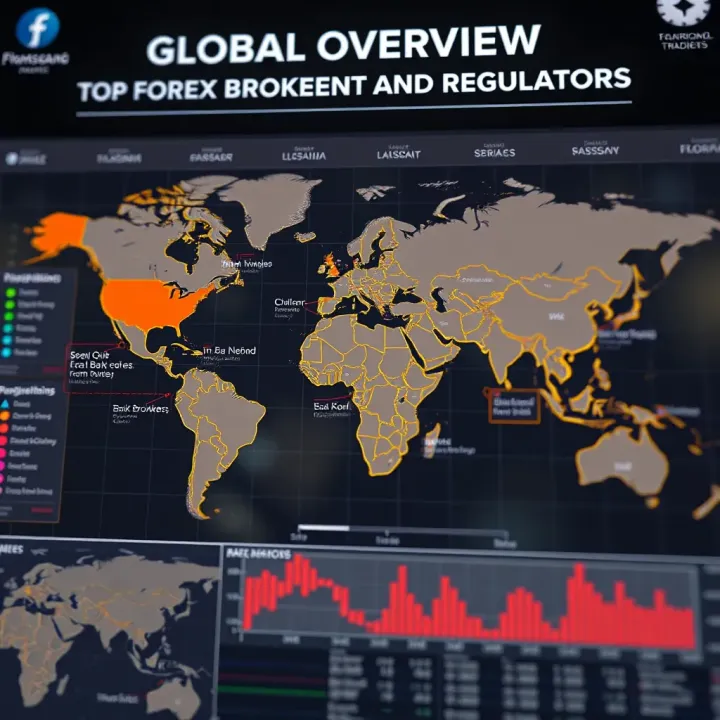
Understanding the top forex brokers around the globe helps Nigerian traders make informed choices based on reliability, pricing, and platform features. This overview sheds light on brokers' profiles, what makes them popular, and which ones suit different trading levels. Instead of wandering through adverts or unverified reviews, you get a straightforward snapshot of key players to consider.
Broker A stands out because it offers a wide range of currency pairs and tight spreads, which keep trading costs low. It provides strong regulatory coverage, backed by licences from top-tier authorities like the FCA (Financial Conduct Authority) and ASIC (Australian Securities and Investments Commission). This broker also delivers fast execution speeds and reliable customer support, making it a favourite among active traders who need smooth and trustworthy service.
Broker B wins many fans due to its user-friendly trading platform and extensive educational resources. The broker caters well to medium-scale traders who value intuitive tools and market news updates. Its mobile app is particularly praised for ease of use, allowing traders to respond to market moves quickly from wherever they are, which suits Nigeria’s often busy lifestyle and the need for mobility.
Broker C focuses heavily on novice traders by offering demo accounts and guided tutorials to build confidence before investing real money. It has low minimum deposits and offers straightforward account types with simple interfaces. Nigerian traders who are just starting out find Broker C helpful for learning forex basics without risking large sums in the initial phases.
Most top brokers offer various account options to match different trader needs; these include standard, mini, and sometimes Islamic accounts. Standard accounts suit seasoned traders with higher deposits, while mini accounts allow smaller stakes, perfect for risk-averse individuals or learners. Islamic accounts comply with Sharia law, offering zero interest on overnight positions—a consideration important for many Nigerian traders.
Brokers often use bonuses like deposit matches or cashback to attract new clients. While these offers can boost starting capital, traders should check terms carefully since conditions like volume requirements or withdrawal limits often apply. Skilled traders may benefit from these bonuses, but beginners must beware of companies pushing bonuses as a main advantage without transparency.
Minimum deposits range widely, from as low as ₦5,000 to over ₦50,000 depending on the broker and account type. Lower deposits make forex accessible to more Nigerians and reduce entry barriers, especially for those testing strategies. However, higher deposits sometimes unlock better spreads or more tools, so understanding your trading budget and goals is essential before choosing.
Selecting the best broker requires weighing features, costs, and support carefully. This overview helps you cut through the noise to spot brokers matching your style and resources.
Selecting the right forex broker can make a huge difference for Nigerian traders, not just in terms of profits but also safety and convenience. Because of Nigeria's unique financial environment, brokers must offer more than just good spreads and strong platforms. Practical matters like ease of funding, withdrawal options, and reliable customer support tailored to Nigerian users weigh heavily. For example, a trader in Lagos who can deposit directly in naira and withdraw smoothly without excessive delay or fees will have a much better experience than one struggling with complicated currency conversions or slow responses.
Many reputable brokers now offer account types denominated in Nigerian Naira (₦), which helps traders avoid the high cost of currency conversion with every deposit or withdrawal. This feature is especially important due to Nigeria’s fluctuating exchange rates and restrictions on accessing foreign currencies. For a trader based in Abuja, holding an account directly in ₦ means capital stays intact longer and reduces surprises during fund transfers.
Brokers that support local payment channels like Nigerian bank transfers, Quickteller, or popular e-wallets such as Opay and PalmPay provide added convenience. Mobile money solutions are also gaining traction, allowing traders to fund accounts from phones without visiting bank branches. Withdrawal flexibility is just as important; delays in transferring profits back to Nigerian accounts or high fees can eat into earnings. Brokers who integrate these local payment systems carefully reduce friction and boost trader confidence.
The Nigerian naira often faces sharp swings in value against the US dollar and other major currencies, driven by policy changes or market pressure. Brokers who provide hedging options or fix conversion rates briefly during transfers help mitigate those risks. For instance, some platforms allow users to lock in a favourable exchange rate when depositing, preventing losses from sudden naira depreciation. Understanding and managing this volatility is vital for Nigerian traders who want to preserve their trading capital.
Having access to customer service that understands Nigerian trading conditions and banking systems can save you time and frustration. Some brokers employ agents in Nigeria or have call centres streaming support during Nigerian working hours. This localisation means quicker solutions when dealing with technical issues or account verification processes, compared to non-specific global services.
Traders expect prompt replies, especially when transactions or platform glitches are at stake. Brokers offering multiple contact channels—live chat, phone, email—tailored for Nigerian users tend to build stronger trust. For example, instant chat support during Nigerian trading hours, coupled with phone lines, reduces downtime and allows traders to stay active without waiting days for answers.
While English is Nigeria's official language, simple, clear communication without heavy jargon is essential. Customer support teams conversant with Nigerian English variants and cultural context relate better and provide answers that resonate more effectively. This approach avoids misunderstandings that sometimes occur due to technical language or unfamiliar expressions.
Choosing a broker that ticks these local boxes not only enhances your trading experience but safeguards your capital and peace of mind in an often volatile forex environment.
Trading forex internationally opens doors to vast opportunities but also brings unique risks Nigerian traders must understand. Knowing these risks helps you avoid losses and protect your capital. This section outlines the most common dangers and practical steps to stay safe.
Leverage lets traders control larger positions with a small amount of capital. For example, using 1:100 leverage means ₦10,000 could control ₦1,000,000 in forex trades. While this magnifies profits, it also increases potential losses dramatically. If the market moves just 1% against you, your entire capital could be wiped out. So, leverage is a double-edged sword that demands careful handling.
Forex is known for its rapid price swings fueled by news, economic data, and geopolitical events. Traders must use risk management tools such as stop-loss orders to limit unintended losses. For instance, a trader might set a stop-loss at 2% below their entry price to avoid bigger losses. Additionally, position sizing should align with your risk tolerance—never trade beyond what your account can handle. Staying informed about global events, such as Central Bank of Nigeria (CBN) policy changes or unexpected political developments, helps anticipate volatility.
Scam brokers often promise guaranteed profits or unusually high returns with little risk—both serious warning signs. Other red flags include refusal to provide transparent licence information, spiking spreads during trades, and difficulty withdrawing profits. If a broker pressures you to deposit more funds or uses aggressive sales tactics, beware. Scammers rely on confusing jargon to trick unsuspecting traders.
Always verify the broker’s regulatory status with recognised authorities like the Nigerian Securities and Exchange Commission (SEC Nigeria), the Financial Conduct Authority (FCA) in the UK, or the Australian Securities and Investments Commission (ASIC). These regulators publish licensed brokers on their official websites. Checking reviews on reputable financial portals and forums also helps to gauge user experiences. Maintaining this due diligence protects you from losing money to unlicensed platforms, which are common in the forex space.
Never trade with brokers you cannot verify. Your funds and data security depend on choosing a properly regulated platform.
Being alert to these risks and taking the right precautions ensures a more secure and successful forex trading journey, especially when dealing with international markets.
Every trader aims to improve profits and minimise risks, but it takes more than luck to succeed in forex trading. Understanding key practices can help you make smarter moves and avoid common pitfalls. These tips matter especially for Nigerian traders who face unique challenges like currency volatility and occasional payment delays.
Starting with a demo account lets you trade using virtual money, helping you grasp market dynamics without risking real funds. This practice is invaluable because it offers firsthand experience of chart movements, order execution, and platform navigation. For example, using platforms like MetaTrader 4 or MT5 demo versions can help you test strategies in real market conditions without financial pressure.
Many brokers offer free demo accounts with all the trading tools, so you can experiment with different techniques until you find what suits your style. In Nigeria, where forex exposure is still learning-based for many, this stepping stone avoids unnecessary losses.
Access to tutorials and market analysis is another valuable resource. Credible brokers often provide educational materials ranging from beginner guides to in-depth webinars and daily market updates. These help traders understand economic indicators, geopolitical events, and technical analysis.
For instance, reading market forecast reports from brokers like FXTM or IG can help you anticipate market moves more confidently. Regular engagement with these materials keeps you informed and sharp, crucial for thriving in a fast-moving forex space.
Beginners should focus on straightforward, tested strategies instead of chasing complex systems. Common beginner methods include trend following—buying when prices rise steadily and selling when they fall—and breakout trading, which involves entering trades when price breaks past key support or resistance levels.
These strategies are popular because they rely on observable market behaviour rather than guesswork. For example, using a moving average to spot trend direction can simplify decision-making.
On top of that, traders need access to tools that improve analysis. Charting software with technical indicators like Relative Strength Index (RSI), Bollinger Bands, or Fibonacci retracements enhance entry and exit timing.
Platforms provided by most brokers, including cTrader and MetaTrader, come with built-in indicators that help you spot price patterns and momentum. Combining these with news feeds and economic calendars ensures you stay aware of events likely to move the markets, reducing surprises.
Practical tools and education, combined with patient testing in demo accounts, build the foundation for consistent trading success. Nigerian traders can particularly benefit from this approach as it reduces risk while adapting to the local economic environment.
Together, these tips form a practical roadmap. Start small, learn steadily, and use technology to your advantage. With discipline and the right resources, forex trading in Nigeria and beyond becomes more manageable and rewarding.
📊 Explore top Nigerian forex traders, discover their expert strategies, navigate local challenges, and learn about key platforms and regulations for success.
📊 Discover which platform fits Nigerian traders best—TradingView or Deriv.com. Explore charting, market options, ease of use, and support in detail.
Explore TradingView with this guide tailored for Nigerian traders 🇳🇬. Learn charting, indicators, global connections, and smart tips to navigate the platform!
Explore Deriv.com for Nigerian traders 🇳🇬! Learn account setup, payment methods, trading tips, security, and how to trade smartly and safely online 📈💼.
Based on 14 reviews