

Understanding Vital Markets and Their Impact
Explore vital markets' role in Nigeria's economy 🌍, their types, challenges, and impact on trade and business strategies shaping growth 📈.
Edited By
Henry Matthews
In the world of cryptocurrency, 'HODL' is more than just a term—it’s a mindset, especially for investors who believe in holding their digital assets through thick and thin. The term originally emerged from a typo in a 2013 Bitcoin forum post, where a frustrated user wrote “HODL” instead of “hold”. Since then, it stuck and grew into a popular strategy among crypto traders worldwide.
At its core, HODLing means keeping your crypto investments regardless of market swings. Rather than panic selling during price drops, investors choose to stay put, expecting long-term gains. This approach contrasts with active trading, where investors frequently buy and sell to catch short-term profits.

For Nigerian investors, HODL offers a way to bypass the often volatile and unpredictable local market conditions. For example, during naira depreciation or unstable exchange rates, holding onto cryptocurrencies such as Bitcoin or Ethereum can protect asset value better than local currency savings. This gives a practical advantage alongside hopes of significant appreciation over time.
HODL is rooted in confidence: confidence in the technology behind the crypto, its future adoption, and the belief that short-term turbulence will eventually give way to growth.
Investors who HODL typically aim to:
Avoid emotional decisions driven by market fear or hype
Reduce transaction costs from frequent trading
Benefit from potential long-term market upswings
Still, HODLing isn’t free from risks. Sudden regulatory changes by Nigerian authorities or international crackdowns can affect crypto prices heavily. Plus, storing digital assets requires proper security—weakness here can lead to losses through hacks or scams.
Understanding why HODL matters helps you decide if it fits your investment style. Rather than chasing quick wins, HODL can be a disciplined commitment to ride out the choppy crypto waters and aim for future rewards.
In the following sections, we will explore the origins of HODL in greater detail, its relevance to Nigerian investors, and practical tips to manage your portfolio with this approach effectively.
Understanding what HODL means in the cryptocurrency space is vital for anyone involved in digital asset investing or trading. The term goes beyond just a misspelling; it captures a particular mindset and approach often adopted by investors who believe in the long-term potential of cryptocurrencies. In practical terms, HODL encourages investors to resist the urge to sell during volatile market swings and instead hold their assets firmly.
This strategy has practical benefits such as potentially riding out market downturns and capitalising on future price surges. For example, early Bitcoin holders who adopted the HODL approach saw massive gains despite several dramatic price drops over the years. For Nigerian investors facing a volatile naira or fluctuating crypto prices, adopting HODL can reduce the stress of constant trading decisions.
The term HODL emerged in the early 2010s during heated discussions on BitcoinTalk, one of the earliest forums for crypto enthusiasts. Initially, it appeared as a typo for 'hold' in a post expressing frustration over market fluctuations. This accidental misspelling resonated with traders who were tired of panic selling, capturing the emotional challenge of sticking to an investment through turbulence.
This origin gives HODL a relatable backstory—it wasn't a deliberate strategy at first but rather a candid expression of holding on when selling seemed impulsive. This early usage set the stage for the term to enter crypto culture as a marker of steadfastness.
What started as a simple typo soon turned into a rallying cry. Crypto enthusiasts began using "HODL" deliberately, sometimes stylised in all caps, to signal pride in their commitment to holding rather than everyday trading. It morphed into memes, slogans, and even merchandise as the community embraced it humorously.
This meme status helped spread the term across social media, making it a common phrase among traders beyond just forums. For Nigerians following crypto on Twitter or Telegram groups, seeing HODL in posts serves as a reminder to resist emotional trading.
Today, HODL is widely recognised across global and Nigerian crypto markets as a legitimate investment philosophy. Major exchanges, wallet providers, and influencer channels use the term when discussing strategies to manage market volatility. As Nigeria experiences growing crypto adoption, especially among retail investors looking for long-term growth amid economic uncertainties, HODL helps frame their approach.
Adoption by communities also means HODL is more than slang: it’s part of educational content, workshops, and discussions on portfolio management in Nigeria’s crypto scene.
Literally, HODL means holding a cryptocurrency asset without selling, especially during price falls. This contrasts with trading, where investors often buy and sell assets frequently to capitalise on short-term price movements. Holding reduces trading costs and fees, which can erode profits especially given Nigeria’s sometimes high withdrawal and transaction charges.
For example, a Nigerian investor holding Bitcoin since 2017 despite volatile cycles would have avoided repeated trading fees and missed opportunities caused by emotional decisions. This literal difference highlights why HODL appeals to investors who lack time or expertise for active trading.
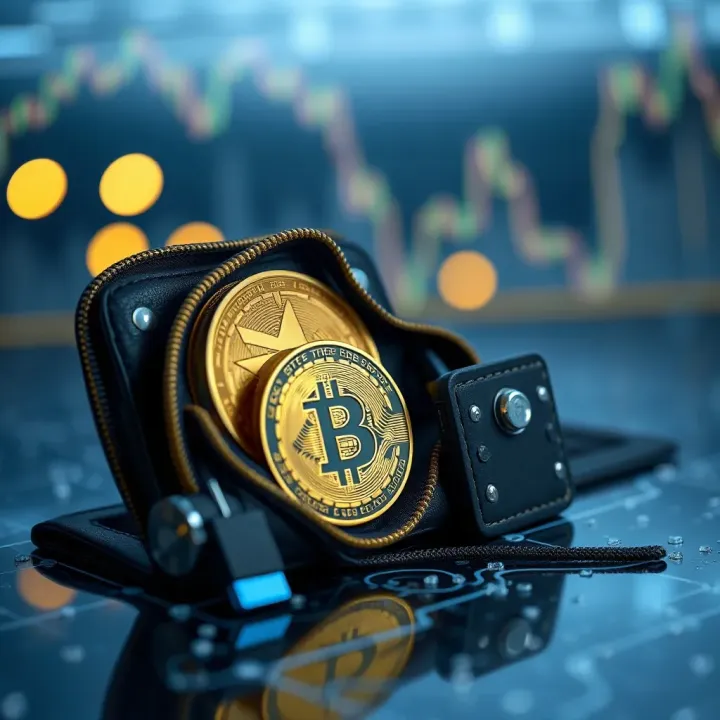
Beyond simply holding coins, HODL represents a long-term belief in cryptocurrency’s value growth. It implies patience, confidence in the technology, and acceptance of market ups and downs without panic. This philosophy fits many Nigerian investors who see crypto as a hedge against naira devaluation or inflation.
Practically, following HODL means setting clear goals on when to buy and sell, often linked to years rather than days. It encourages investors to avoid impulsive reactions during market crashes or rallies and focus on broad trends.
HODL isn't just about ignoring market dips; it demands discipline and conviction—a mindset crucial for navigating crypto markets prone to rapid swings.
Many investors opt to HODL because they believe in the long-term growth potential of cryptocurrencies despite the market's notorious ups and downs. This strategy offers several practical benefits that appeal especially to those who want to avoid the frenzy of daily trading.
Bitcoin's price over the years tells a story of massive growth peppered with sharp corrections. Starting from a few cents in 2009, Bitcoin soared past ₦30 million in 2021 at its peak, showing that substantial gains are possible for patient holders. Unlike stocks or forex, Bitcoin’s supply is capped at 21 million coins, which many see as a safeguard against inflation and long-term depreciation. This scarcity principle convinces investors to hold their assets through downturns, expecting significant growth with increasing adoption.
Such price history encourages investors to look beyond short-term dips. For example, those who held Bitcoin during the 2018 crash, when prices dropped nearly 80%, eventually saw recovery and substantial profits by the end of 2020. This history provides practical motivation to HODL rather than panic sell during market falls.
Cryptocurrency markets can jump and dive within hours. For many traders, this volatility triggers emotional decisions — buying high during hype or selling low during fear. HODLing helps sidestep this rollercoaster by focusing on steady gains over time. Investors who adopt a HODL mindset practice patience and control, reducing impulsive trades that often lead to losses.
This emotional discipline is practical especially in Nigeria, where price swings can be exaggerated by local news, government policies, or exchange rate fluctuations. Staying put rather than chasing every price change reduces stress and transaction mistakes, ultimately preserving capital.
Each trade in cryptocurrency usually attracts fees, whether on exchanges or blockchain network charges (gas fees). Active traders might find themselves spending thousands of naira over time just on fees, eating into profits. For example, a high number of trades on platforms like Binance or LUNO can result in cumulative fees running into tens of thousands of naira annually.
By holding their assets, investors reduce the number of transactions and thus the fees paid. This practice is especially relevant for those using stablecoins or Bitcoin, where fees for transferring coins can spike during busy network periods. Cutting down frequent trading saves money and improves net returns.
In Nigeria, crypto taxation is still evolving, but the Federal Inland Revenue Service (FIRS) indicates that taxable events occur during disposals or transfers. Frequent trading creates multiple taxable occasions, increasing complexity and audit risk.
HODLing simplifies tax reporting since the investor only accounts for gains or losses upon selling. Additionally, it lowers regulatory scrutiny connected with heavy trading that may attract questions about money laundering or market manipulation. For Nigerian investors juggling crypto with other businesses, this simplification is a strong practical reason to choose HODL.
In essence, investors choose to HODL not just out of hope for price rises but because it brings cost savings, reduces emotional strain, and aligns with practical considerations in Nigeria's developing crypto market.
Deciding to HODL cryptocurrency carries risks that every investor must consider carefully. While holding through market volatility seems like a steady approach, it exposes investors to sharp price declines and missed profit opportunities. Understanding these downsides helps you weigh whether HODLing suits your risk appetite and investment goals.
Examples of Major Price Corrections
Cryptocurrency markets have experienced significant crashes, sometimes wiping out large portions of investors' holdings. For instance, Bitcoin dropped from nearly $20,000 in late 2017 to about $3,200 in December 2018. More recently, during 2022’s crypto winter, multiple assets lost over 70% of their value. These corrections demonstrate how holding without a clear exit strategy can lead to prolonged unrealised losses.
Impact of Holding During Bear Markets
Staying in the market during bear phases tests an investor’s patience and resolve. Many who waited saw recovery years later, but not all coins bounced back. In Nigeria, where forex instability and regulatory uncertainty add pressure, extended downturns can reduce your liquid capital and limit reinvestment opportunities. Holding through protracted bear markets means you must avoid panic selling but also accept the risk of capital being tied down for an unpredictable period.
Comparing HODL to Active Trading
While HODLers rely on long-term price appreciation, active traders attempt to capitalise on short-term price swings by buying low and selling high. This strategy can yield profits when executed well, especially in volatile markets common in Africa. However, active trading requires time, skill, and tolerance for frequent decisions. HODLing avoids these hassles but risks missing out on gains that could arise by timely selling and rebuying in market cycles.
When Selling Could Be Advantageous
Selling a portion of your holdings can secure profits or cut losses during critical market phases. For example, when Nigerian fintech startups like Bundle or BuyCoins announce partnerships or regulatory approvals, prices might surge. Taking profits then helps lock in gains instead of waiting indefinitely. Conversely, selling some assets during extreme crashes might protect you from further erosion. Having a clear plan about when to sell ensures you maximise returns rather than holding on out of mere hope.
HODLing is more than just holding; it's a calculated decision. Understanding the risks—market downturns, opportunity costs, and timing your moves—helps build a strategy aligned with your financial goals.
In summary, HODLing exposes investors to real risks and trade-offs. While historically rewarding in some cases, it demands discipline and awareness of potential pitfalls, especially in Nigeria's dynamic crypto market.
Navigating the crypto space through HODLing requires more than just holding on to coins. Especially in Nigeria, where market conditions, regulatory shifts, and technology risks combine uniquely, adopting a careful approach ensures better protection and potential gains. Nigerian investors must be selective about which cryptocurrencies to hold, secure their assets properly, and set clear investment goals to avoid common pitfalls.
Blue-chip cryptocurrencies are those widely recognised for their stability, large market capitalisation, and liquidity. When choosing which coins to HODL, Nigerian investors should focus on established names like Bitcoin and Ethereum, known for wider acceptance and fewer abrupt crashes. Practical factors include the coin’s transaction frequency in Nigeria and its integration with local trading platforms. For example, Bitcoin remains the most accepted crypto for peer-to-peer transactions within Nigeria's fintech ecosystem.
Beyond market reputation, strong development teams and consistent updates indicate a coin’s longevity. Avoid coins with unclear whitepapers or unsteady developer activity, as these may collapse suddenly, leaving holders stranded.
Local factors influence the success of HODLing. Nigeria’s frequent naira volatility and exchange rate fluctuations can impact the real value of cryptocurrency holdings when converted back to naira. Additionally, regulatory changes like the Central Bank of Nigeria’s directives on crypto banking affect how easily investors can access or liquidate assets.
Seasonal events such as the ember months often see increased trading volumes and volatility. Understanding these patterns helps investors decide whether to hold through turbulence or take profits at strategic times. Moreover, network uptime and internet accessibility in Nigeria can affect timely transaction approvals, making it crucial to pick cryptos with reliable blockchains and local support.
Cold wallets (offline storage) such as hardware wallets are indispensable for HODLers. They protect assets from online hacks or phishing scams prevalent in Nigeria’s digital landscape. For example, devices like Ledger or Trezor store private keys offline, making it impossible for cybercriminals to access funds through internet breaches.
Investors should also keep backup phrases securely, preferably offline, and avoid storing sensitive info on phones or PCs exposed to malware. Combining cold storage with trusted software wallets can balance usability and security.
Scams in the Nigerian crypto space continue to rise, ranging from fake investment schemes to phishing websites posing as legitimate platforms. Holding coins safely means staying vigilant against such risks. Always verify the authenticity of exchanges before sending funds and beware of unsolicited investment tips on social media.
Regularly updating device software and enabling two-factor authentication (2FA) on accounts adds layers of protection. Nigerian investors should also educate themselves on common fraud tactics and report suspicious activities promptly to relevant authorities like the Nigerian Cybercrime Unit or SEC Nigeria.
Clear timelines are vital for HODLers in Nigeria to balance patience and responsiveness. For example, an investor might set a five-year horizon looking to accumulate wealth steadily, which suits high volatility periods. Alternatively, a shorter timeframe might focus on capitalising on expected bullish runs during events like Bitcoin halving.
Having predefined holding durations reduces emotional decision-making when markets fluctuate. Nigerian investors should review goals annually or when major economic developments occur, such as changes in exchange rates or crypto regulations.
Even the best HODLing strategy needs flexibility. Market signals like price crashes beyond historical corrections, regulatory bans, or security breaches in a crypto project should prompt reassessment. Selling doesn’t always mean failure; sometimes locking in profits or avoiding further losses is smarter.
For instance, if a coin embedded in a suspected scam loses developer support or becomes delisted from major Nigerian exchanges, it might be time to exit. Setting price targets and stop-loss orders helps automate these decisions, reducing stress and preserving capital.
Wise HODLing in Nigeria is about calculated patience, strong security, and realistic goals. Merging global best practices with local realities safeguards investments and positions Nigerian traders to benefit from cryptocurrency’s growth.
Explore vital markets' role in Nigeria's economy 🌍, their types, challenges, and impact on trade and business strategies shaping growth 📈.
📉 Explore how volatility indices gauge market sentiment, aid in risk management, and guide trading decisions during economic shifts. Learn their real impact!
Explore Upbit Exchange in Nigeria 🇳🇬: Learn how to set up your account, trade securely, check fees, and access support for smooth crypto trading 💱🔐.

Discover how to pick trustworthy binary brokers in Nigeria 🇳🇬, learn key trading strategies 📈, understand risks ⚠️, and trade smarter with expert tips!
Based on 12 reviews