

Understanding Binary Brokers for Nigerian Traders
Discover how to pick trustworthy binary brokers in Nigeria 🇳🇬, learn key trading strategies 📈, understand risks ⚠️, and trade smarter with expert tips!
Edited By
Edward Collins
MetaTrader stands out as a leading platform for online trading, used across the globe—including Nigeria. Whether you’re dealing with forex pairs, stocks, or commodities, MetaTrader offers tools that simplify these activities and provide control over your trades.
For many Nigerian traders, understanding how to use MetaTrader is more than a technical necessity; it’s a gateway to participating in global markets. The platform supports automated trading through Expert Advisors (EAs), offers real-time market data, and comes equipped with powerful charting capabilities. These features help traders track market movements and make informed decisions faster.

MetaTrader isn’t just software; it’s your trading workstation, allowing you to monitor, analyse, and execute trades at your fingertips.
Key features include:
Multiple chart types and timeframes for detailed technical analysis
An integrated economic calendar for tracking relevant events
Customisable indicators for tailored market insights
One-click trading to speed up order execution
Nigerian traders can start with demo accounts offered by many brokers that integrate MetaTrader. This helps beginners practise without risking real money. Also, the low minimum deposit requirements suit those trading from Nigeria, where starting capitals might be modest.
That said, challenges exist. Network interruptions in certain parts of Nigeria can affect real-time data flow and trade execution. Choosing reliable internet service providers and brokers with local servers is a practical way to minimise this pain point.
In summary, getting familiar with MetaTrader equips you with tools trusted by professionals. This guide breaks down how to set up the platform, manage trades, and overcome challenges specific to Nigerian conditions so you can trade smarter and with more confidence.
Next, we will look deeper into installing the platform and setting up your trading environment for optimal use.
MetaTrader platforms have become a cornerstone for traders worldwide, including in Nigeria, because they offer a blend of accessibility, powerful tools, and flexibility. Understanding what MetaTrader provides helps Nigerian traders make informed decisions, optimise their trading strategies, and respond quickly to market changes.
MetaTrader 4 is still the most widely used platform across Nigeria due to its simplicity and reliability. It offers a user-friendly interface that allows even novice traders to navigate forex markets with ease. The platform supports multiple order types like market, limit, and stop orders, which lets traders tailor their strategies based on how volatile the market is. For example, a Lagos-based trader might set stop-loss orders during ember months when market swings tend to increase.
MetaTrader 5 builds on MT4’s foundation by adding more asset classes beyond forex, including stocks and commodities. It also features enhanced charting tools and more timeframes for analysis. Nigerian traders interested in diverse portfolios, such as investing in oil futures or Nigerian Stock Exchange-listed companies, find MT5’s expanded capabilities particularly useful. However, MT5 is still gaining ground here due to MT4’s entrenched presence.
Both MT4 and MT5 offer access to a variety of tradable instruments such as forex pairs, commodities like crude oil and gold, indices, and cryptocurrencies. This variety means Nigerian traders can diversify to hedge against naira volatility or invest in global markets. For instance, trading gold or oil on MetaTrader can serve as a hedge when inflation spikes locally.
MetaTrader excels with its rich set of charting features and over 30 built-in technical indicators. Nigerians use tools like the Relative Strength Index (RSI) or Moving Average Convergence Divergence (MACD) to spot trends or potential reversals. Customisable charts allow traders to switch between candlestick, bar, and line views, helping them interpret price movement clearly, especially during Lagos intercity market hours.
Expert Advisors (EAs) allow traders to automate strategies on MetaTrader. This is crucial in Nigeria, where power supply or internet interruptions can hamper active trading. A well-programmed EA can continuously monitor the market and execute trades based on predefined rules—minimising emotional biases and improving consistency. Many Nigerian traders use demo accounts to test EAs before applying them live.
Managing risk is vital given forex market volatility and naira fluctuations. MetaTrader provides stop-loss orders to cap potential losses and take-profit orders to lock gains automatically. These tools give Nigerian traders peace of mind, especially when stepping away from the screen or during busy ember months when market unpredictability rises. For example, setting a stop-loss on a US$/Naira trade can limit exposure to sudden exchange rate swings.
MetaTrader’s combination of powerful trading features and risk management makes it a practical choice for Nigerian traders aiming to navigate local and global markets effectively.
In summary, knowing what MetaTrader offers equips Nigerian traders with the right tools to handle everyday trading challenges and seize opportunities. Whether it’s leveraging MT4’s simplicity or MT5’s broader instrument access, the platform remains a trusted ally for serious traders in Nigeria.
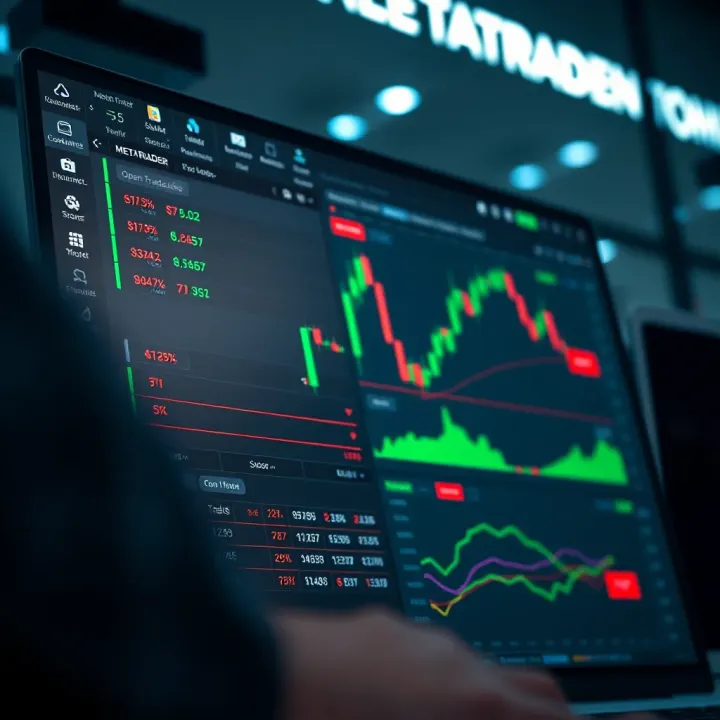
Setting up MetaTrader properly is an essential first step for Nigerian traders looking to access global markets effectively. Getting the platform installed the right way and linking it to a suitable broker can save you lots of stress later on. This section covers the practicalities around downloading, installing, and funding your MetaTrader account with Nigerian considerations in mind.
When choosing between MetaTrader 4 (MT4) and MetaTrader 5 (MT5), consider your trading style and device preference. Both platforms are available for desktop and mobile, but mobile versions work best if you’re constantly on the go, such as traders commuting via danfo or okada. For those who prefer detailed charting and custom indicators, desktop versions offer a broader display and advanced features.
Installation is straightforward but requires attention to system requirements. On Windows or macOS desktops, ensure you have at least 2GB of RAM and around 100MB of free storage. Mobile users need compatible smartphones running Android 6.0 or higher, or iOS 11.0 or later. Remember, a stable internet connection improves download speed and platform performance once set up.
A smooth installation prevents frustrating interruptions during crucial trading moments, especially considering Nigeria's sometimes unstable power and internet supply.
Choosing a broker that supports MetaTrader and has a solid presence in Nigeria matters a lot. Brokers like FXTM, Alpari Nigeria, and Exness operate locally, offering support aligned to Nigerian traders’ needs. They also tend to be familiar with CBN regulations and offer customer service during Nigerian business hours, which helps when you need quick assistance.
Funding your trading account in Nigerian Naira eliminates constant currency conversion fees, which can quickly add up. Many brokers have integrated local payment options like bank transfer, Quickteller, or Paystack, allowing you to deposit funds without converting to US dollars or euros upfront. Still, be mindful of naira volatility; it’s wise to keep an eye on the Central Bank of Nigeria's (CBN) exchange rate updates to know the best time to fund your account.
Using local payment methods accelerates your deposits and withdrawals, minimising delays. This is especially important for traders who rely on quick fund access to capitalise on market opportunities or manage risk effectively.
Getting your MetaTrader platform set up correctly with the right broker and funding options custom-tailored for Nigerian realities sets the foundation for a seamless trading experience with fewer surprises along the way.
Mastering trading operations on MetaTrader is essential for any trader aiming to navigate the platform confidently and profitably. It enables you to execute trades efficiently, manage risk properly, and adapt quickly to changing market conditions. Without proper skill in handling trades, even the best strategies can falter.
Executing market and pending orders is the heart of trading on MetaTrader. A market order lets you buy or sell immediately at the current market price, which is crucial when timely entry or exit is necessary. For example, a forex trader watching the USD/NGN pair might use a market order to capitalise on sudden price movements after a CBN announcement. Pending orders, on the other hand, allow you to set conditions to enter the market only at specific price points, giving you more control and flexibility. You can place a buy limit to purchase a currency when it dips to a certain level or a sell stop that triggers a sale if prices fall below a threshold.
Using stop-loss and take-profit orders effectively helps manage your risk and lock in profits automatically. For instance, placing a stop-loss order ensures that your position closes when losses reach a level you’ve accepted, protecting your capital from unexpected market swings common in volatile Nigerian forex markets. Take-profit orders close your trade once a set profit target is hit, preventing emotional decision-making that might cause you to hold on too long and lose gains. These tools are practical safeguards, especially when you cannot monitor the market closely due to unstable power or internet.
Modifying and closing positions is another skill every trader must master. On MetaTrader, you can adjust stop-loss and take-profit levels at any time, which is handy when market sentiment shifts unexpectedly. Suppose oil prices surge affecting equities; you might want to tighten your stop loss to secure profits. Closing positions manually is straightforward too, allowing you to exit trades before hitting stop or take-profit orders when market analysis suggests doing so. This flexibility supports active trading strategies suited to fast-moving local and global markets.
Customising chart types and timeframes is key to making technical analysis work for your style. MetaTrader offers multiple chart styles like candlestick, bar, and line charts. Candlestick charts are popular in Nigeria for their visual clarity on price action. Timeframes range from one minute to monthly, so whether you’re day trading or swing trading, you can adjust the view that suits your trading plan. For example, a day trader might monitor 15-minute charts to catch short-term moves, while a longer-term investor checks daily charts for broader trends.
Applying technical indicators for trend analysis lets you interpret market direction and strength more reliably. MetaTrader includes indicators like the Moving Average, Relative Strength Index (RSI), and Bollinger Bands, which help reveal trends and potential reversal points. For instance, RSI signals overbought or oversold conditions, useful in volatile pairs like NGN/USD, where rapid moves can happen. Knowing when to enter or exit trades based on indicator signals reduces guesswork, enhancing your chances for consistent success.
Mastering trade placement, management, and chart analysis on MetaTrader equips Nigerian traders to face local market challenges with confidence and control.
This practical approach will serve you well as you develop a disciplined trading routine that suits both your goals and the unique conditions affecting Nigerian traders.
Automated trading has become a popular approach for Nigerian traders seeking to reduce emotional decisions and react swiftly to market changes. MetaTrader platforms support this through Expert Advisors (EAs), which operate like digital assistants that execute trades on your behalf based on predefined rules. This system can be particularly useful in Nigeria, where day-to-day issues such as erratic power supply or poor internet connection might otherwise cause you to miss timely opportunities.
Expert Advisors are software programs designed to automate trading activities within MetaTrader. They analyse market data in real-time, then place, modify, or close trades automatically without requiring manual input. For example, an EA can monitor forex price movements and open a buy or sell order once certain conditions are met, eliminating the time lag that may arise when trading manually.
Many traders find EAs valuable because they operate 24/7, ensuring no market movement goes unnoticed. Also, they remove emotional bias, which often leads to poor decisions during volatile sessions. However, understanding how an EA works before deploying it is crucial to avoid losses from poorly programmed strategies.
Popular strategies that EAs implement include trend following, where the software buys or sells based on the detected direction of price movements. Another common approach is grid trading, which places multiple buy and sell orders at set intervals, aiming to profit from market fluctuations regardless of direction. Some EAs use scalping techniques, executing many quick trades to capture small profits. These methods can suit Nigerian traders depending on their risk appetite and market focus.
Installing EAs on MetaTrader is straightforward. You download the EA file and add it to the platform’s ‘Experts’ folder, then activate it in the trading terminal. After setup, you can customise parameters like lot size, stop-loss, and take-profit levels to suit your trading style. This flexibility is key since not every EA fits every market or account size.
Using demo accounts for backtesting is essential before applying an EA on a live account. Demo trading lets you simulate how the EA performs under past market conditions without risking real money. This practice reveals whether the strategy is profitable, how it handles risks, and its reaction to Nigerian market factors such as currency volatility.
Managing risks with automated trades involves setting clear limits on losses and exposure. While EAs handle trades automatically, they might amplify risks if left unchecked. For instance, a faulty EA might open many positions during adverse events like Nigerian naira depreciation, causing heavy losses. Therefore, it’s advisable to monitor your system regularly, update strategies when necessary, and never allocate more capital to automated systems than you can afford to lose.
Automated trading with Expert Advisors offers Nigerian traders the chance to stay active in the markets even amid local challenges, but careful testing and risk control remain vital for success.
By adopting EAs wisely, traders in Nigeria can increase their efficiency and maintain consistent trading strategies despite daily uncertainties like power cuts or network drops.
Trading with MetaTrader in Nigeria comes with its unique set of challenges and opportunities. Addressing these upfront helps traders navigate local realities effectively while maximising their chances of success. This section outlines common hurdles Nigerian traders face and offers best practices to manage risks, choose reliable brokers, and continuously sharpen trading skills.
Internet speed and stability often affect trading performance. Frequent power outages and unstable broadband connections can cause delays or disruptions in executing trades on MetaTrader. For example, a trader relying solely on mobile data in Lagos might face sudden disconnections during crucial market hours. This affects the ability to monitor open positions or place stop-loss orders promptly.
To mitigate this, many Nigerian traders invest in backup power sources like generators or inverters. Also, using multiple internet providers or mobile networks ensures access continuity. Offline features of MetaTrader, such as setting pending orders beforehand, can help manage interruptions.
Fluctuations in the naira exchange rate influence the actual cost and returns of forex or international stock trading. Since many brokers require deposits and withdrawals in US dollars or other foreign currencies, naira volatility can alter initial capital when converted. For instance, during periods of naira depreciation, a ₦100,000 deposit might translate into fewer dollars, limiting buying power.
Nigerian traders must monitor the Central Bank of Nigeria (CBN) policies and parallel market rates closely. Choosing brokers that offer local currency accounts or support Naira payment channels like Paystack or Flutterwave can reduce currency conversion risks.
Forex trading in Nigeria falls under the oversight of the Securities and Exchange Commission (SEC) and the Central Bank of Nigeria. Some brokers operating without proper licences pose risks like fund misappropriation or lack of client protections. Nigerian traders need to verify broker registration with SEC Nigeria or appropriate regulatory bodies.
Moreover, foreign exchange controls on capital movement impact fund transfers. Traders should be aware of remittance rules and limits to avoid delays or penalties when funding or withdrawing from their MetaTrader accounts.
Managing risk is the backbone of successful trading. Nigerian traders should always use stop-loss and take-profit orders on MetaTrader to limit potential losses. Diversifying capital across different instruments helps spread exposure.
For instance, a trader with ₦500,000 capital might allocate ₦200,000 to forex pairs, ₦150,000 to commodities, and the remainder to stocks, avoiding overconcentration. Setting a daily loss limit and sticking to it prevents emotional decisions during volatile sessions.
Working with reputable brokers registered with SEC Nigeria reduces the chances of fraud or unfair practices. Well-known names with a presence in Nigeria, such as FXTM or HotForex, often provide Naira payment options, live chat support, and faster withdrawals.
Secure payment channels like Paystack, Flutterwave, or direct bank transfers via GTBank or Access Bank enhance transaction safety. Avoid brokers only accepting cryptocurrency deposits unless familiar with the risks.
Markets change quickly, so ongoing education is vital. Nigerian traders should allocate time each week to study technical analysis, news affecting major forex pairs, and global economic events.
Using MetaTrader’s demo accounts allows testing strategies without financial risk. Subscribing to reliable financial news portals and joining local trader communities can sharpen insights. Consistently reviewing trading performance and adapting methods keeps traders resilient amid changing market conditions.
Embracing local challenges while applying disciplined trading practices and leveraging reliable brokers significantly enhances the chance of long-term profitability for Nigerian MetaTrader users.
Discover how to pick trustworthy binary brokers in Nigeria 🇳🇬, learn key trading strategies 📈, understand risks ⚠️, and trade smarter with expert tips!

📊 Dive into the workings of firms in economics—understand their roles, types, market influence, and how they shape Nigeria’s economy today.
📊 Dive into agency securities: explore types, benefits, risks, and rules of Nigeria's government-backed debt to make smarter investment choices.

Learn how binary trade works, its types, risks, and tips to trade wisely in Nigeria. 📈💡 Get clear insights before you start trading binary options!
Based on 12 reviews