
TradingView vs Deriv.com: Best for Nigerian Traders
📊 Discover which platform fits Nigerian traders best—TradingView or Deriv.com. Explore charting, market options, ease of use, and support in detail.
Edited By
Jack Turner
Trading websites have reshaped how many Nigerians engage with financial markets. These online platforms allow you to buy and sell assets such as stocks, forex, cryptocurrencies, and commodities from the comfort of your home—or anywhere with an internet connection. Understanding how they work and what to look out for is essential if you want to optimise your profits and avoid costly mistakes.
At their core, trading websites connect retail traders and investors to market exchanges or brokers. They provide real-time market data, tools for analysis, and order execution systems. Unlike traditional trading floors where brokers acted as middlemen, these platforms empower individuals by putting control and information at their fingertips.
There are mainly three types of trading websites used by Nigerians:
Brokerage platforms: These are digital portals offered by registered brokers allowing you to trade stocks and forex. Examples include GTI Securities and Meritrade.
Cryptocurrency exchanges: Platforms like BuyCoins and Binance facilitate crypto trading by pairing buyers and sellers securely.
Social trading or copy trading sites: These platforms enable you to mimic experienced traders. eToro is a well-known global example accessible to Nigerian traders.
Choosing the right platform hinges on clear criteria: security, ease of use, transaction costs, available instruments, and customer support.
Security ranks top because scams and cyber threats have made many cautious. Reliable trading websites enforce strict encryption standards and require identity verification to safeguard your funds and personal data.
Ease of use matters too. A well-designed user interface reduces errors and helps you act quickly on market moves. For example, a straightforward mobile app can be the difference between catching a favourable forex rate and missing out due to lag.
Transaction costs directly affect your profitability. Platforms charge spreads, commissions, or withdrawal fees. Comparing these charges across websites will help keep trading affordable.
Lastly, customer service is crucial, especially if technical glitches or disputes arise. Nigerian traders benefit from platforms with prompt, helpful support that understands local banking and regulatory nuances.
By starting with these basics, you position yourself to trade confidently and efficiently. The following sections will deepen your knowledge about features, security tips, and practical advice tailored for Nigerians venturing into online trading.
Trading websites have become indispensable tools for Nigerian traders and investors looking to access financial markets from anywhere with internet. They function as digital marketplaces, connecting buyers and sellers while offering tools to analyse market data and execute trades swiftly. These platforms transform traditional trading, which once depended heavily on physical locations like the Lagos Stock Exchange hall, into accessible online services.
At their core, trading websites provide a gateway to invest or trade assets including stocks, forex, cryptocurrencies, and commodities. This accessibility is especially crucial in Nigeria, where traders increasingly prefer online options to circumvent local infrastructure challenges such as unreliable power supply and traffic congestion.
A trading website is an online interface that allows users to buy, sell, or exchange financial instruments. Its main purpose is to make market participation simpler, faster, and more cost-effective. Instead of visiting brokers in person, Nigerian traders can use these websites to monitor live prices, access charts, and manage investments anytime. Importantly, these platforms also provide educational resources and customer support aimed at guiding both novice and experienced traders.
Stock trading websites enable users to purchase and sell shares of publicly traded companies. For Nigerian investors, platforms like the NGX (Nigerian Exchange Group) portal or local brokers with online access offer direct engagement with Nigerian equities, bonds, and ETFs. Having such platforms in Naira simplifies transactions and reduces currency exchange hassles. Stock trading websites also provide real-time price updates and market news, essential for timely investment decisions.
Forex (foreign exchange) platforms specialise in trading currency pairs like USD/NGN, EUR/USD, or GBP/USD. These platforms are popular among Nigerians because forex trading offers high liquidity and opportunities to profit from currency fluctuations. Platforms like FxPro and HotForex provide access to global currency markets, low spreads, and leverage options. Since forex trading happens 24/5, Nigerian traders can fit trading sessions into their schedules outside regular work hours.
Cryptocurrency exchanges allow buying and selling coins such as Bitcoin, Ethereum, or popular local tokens. In Nigeria’s fintech-driven environment, exchanges like Binance, Luno, and Quidax attract users for their ease of use and direct funding via bank transfers or payment apps like Paystack. These platforms often include secure wallets and price alerts, catering to traders who want to engage with a growing but volatile crypto market.
Commodity trading platforms deal in raw materials like gold, oil, or agricultural products, while futures sites offer contracts to buy or sell assets at preset future dates. Nigerian traders interested in hedging or speculating on products such as cocoa or crude oil prices can find both local and international websites facilitating these trades. Although less common, commodity and futures trading provide diversification beyond stocks and currencies, which can help manage risks in volatile markets.
A trading website connects to exchanges through software that relays orders instantly. When you place a buy or sell order, the system matches it with a counterparty, whether another trader or market maker. These platforms process orders automatically, ensuring quick execution and minimal manual interference. Behind the scenes, trading websites continuously update market data, compute fees, and maintain secure account balances. Features like charting tools, news feeds, and technical indicators help Nigerian traders analyse market trends and make informed decisions.
For Nigerian traders, understanding how these platforms operate offers a solid foundation for entering the market confidently and avoiding common pitfalls that come with online trading.
A trading website’s design varies by asset type but commonly includes user dashboards, order placement panels, and history logs. To start, users must create accounts, verify their identities using local standards like Bank Verification Number (BVN), and fund their wallets or accounts often in naira or through US dollar equivalents for international trades.
In summary, trading websites are practical portals that open up global and local financial markets to Nigerians. Knowing the distinct platform types and their operational basics is the first step towards trading smarter and securing returns in any market condition.
Choosing the right trading website goes beyond just signing up and clicking 'buy' or 'sell'. You need a platform that balances ease of use with solid features to help you make informed decisions and protect your investments. For Nigerian traders, certain features determine how effective a platform is, especially given local challenges like intermittent power supply and fluctuating internet quality.
A clean, intuitive user interface can make or break your trading experience. Nigerian traders often operate using smartphones or laptops with varied internet speeds, so the platform should load quickly and be easy to navigate. For example, platforms like Kuda and Bamboo offer straightforward dashboards that let you view your portfolio and trade without unnecessary clutter. Accessibility means more than just speed; it includes mobile compatibility and features like dark mode, which reduces eye strain during those late-night trading sessions often experienced by serious investors.
Trading fees directly impact your profits, so it’s vital to understand how much you pay per trade, withdrawal, or inactivity. Some platforms may charge hidden fees that eat into your returns. For instance, local platforms like Cowrywise generally offer competitive fees, but international ones can vary widely. Look for transparent fee schedules and consider the cost relative to the services provided. Remember, a slightly higher commission might be worth it if the platform offers superior tools or security.
Variety matters. If you intend to diversify, your website should offer multiple assets—stocks, forex, commodities, or cryptocurrencies. For example, if you want to invest in the Nigerian Stock Exchange (NGX) as well as global stocks, check that the platform supports both markets. Some platforms might focus on forex or crypto alone, which could limit your strategy. Having access to a broad range allows you to balance high-risk trades with steadier options.
A solid trading platform equips you with charts, market news, technical indicators, and maybe even expert analysis. Tools like interactive candlestick charts or news feeds from sources like Bloomberg can help you spot trends before they become obvious. Many Nigerian traders rely on platforms such as MTN’s MoMo or Paystack to fund their accounts, so integration with payment platforms also counts as a convenient tool. The better the research resources, the less you’ll rely on guesswork.
Trading can get complicated, especially when new regulations or market shifts happen. Having access to responsive customer service helps you resolve issues quickly—whether it’s a withdrawal delay or technical glitch. Platforms like Access Bank’s investment portal often provide prompt support through chat or phone. Besides, good trading websites offer educational resources—webinars, tutorials, or glossaries—that help beginners learn about market dynamics and risk management.
Always check if the platform gives you reliable support and learning tools. These reduce frustration and boost your confidence, making your trading journey smoother and more profitable.
By focusing on these features, Nigerian traders position themselves to operate efficiently, avoid unnecessary costs, and make better investment choices tailored to their goals and environment.
Selecting a trustworthy trading website plays a huge role in ensuring your investment journey in Nigeria is smooth and safe. With increasing internet access and a growing interest in financial markets, many Nigerians are turning to online platforms. But not every site out there is reliable — some might expose you to fraud or lose your funds. That’s why understanding how to pick safe platforms can protect your capital, give peace of mind, and improve your chances of success.
The regulatory framework in Nigeria helps keep traders protected by imposing rules on which platforms can operate legally. Reliable trading websites must have proper licences from regulatory bodies like the Securities and Exchange Commission (SEC) Nigeria or the Central Bank of Nigeria (CBN). These licences show the platform meets certain minimum standards for fairness, transparency, and fund safety. For example, a stock trading website officially registered with SEC Nigeria follows strict rules on customer fund segregation and regular audits. When a platform is unlicensed, there’s no guarantee your money or personal data is protected, so always check licensing before signing up.
Encryption scrambles your sensitive info to keep it away from hackers during transactions. Trusted websites use strong encryption protocols (like SSL/TLS) to secure login credentials, payment details, and personal data. This means if someone tries to intercept data on public Wi-Fi or unsafe networks, they see only gibberish instead of your details. For Nigerian traders, where cybercrime has become a rising concern, encryption is non-negotiable for any platform offering online trading.
Two-factor authentication (2FA) adds an extra layer of security beyond just your password. Besides typing your password, you must verify identity using something you have — like a code sent via SMS or an authentication app. This measure stops fraudsters who might have stolen your password but can’t complete their login without that second step. Most credible trading platforms in Nigeria now require or strongly recommend 2FA to protect accounts from unauthorised access.
Safe platforms store client funds separately from their company accounts, known as fund segregation. This practice ensures your money isn’t mixed with the platform’s operational cash, reducing risk if the company faces bankruptcy. Also, reliable websites have clear withdrawal policies with verification steps to prevent thieves from draining your account. For instance, a typical Nigerian trader will appreciate a platform that requires withdrawal confirmation via email or phone, safeguarding against hurried or suspicious transactions.
Scam trading sites lure users with unrealistically high returns, fake testimonials, or unclear fee structures. To spot danger signs, check for:
Lack of clear contact info or customer service
Promises of guaranteed profits or insider tips
Pressure to deposit large sums quickly
Poor or unrealistic online reviews
Always research platforms on financial forums, ask for recommendations from seasoned Nigerian traders, and test platforms with small amounts first. Avoid platforms asking for upfront payments to disclose critical info or requiring your BVN and NIN without secure processes. Trustworthy traders know when to step back and verify before engaging.
Remember, protecting yourself from fraud is just as important as understanding how trading works. Better safe today can save your naira tomorrow.
Access to reliable trading websites is essential for Nigerian traders aiming to maximise returns and trade efficiently. Understanding which platforms cater to Nigerian users, especially those supporting the Nigerian Naira (₦), can smoothen transactions and reduce the hassles of currency conversion and withdrawal delays.
Nigeria’s local stock trading portals provide direct access to the Nigerian Stock Exchange (NGX), allowing traders to buy and sell shares of Nigerian companies in ₦. Platforms like the NGX’s own digital trading platform or broker-supported portals enable investors to interact with local equities securely. One key advantage is Nigerian regulatory oversight, which offers some level of protection against fraud. Plus, trading in naira avoids fluctuating forex rates that often add hidden costs to investments.
These portals are particularly relevant for traders focused on blue-chip Nigerian companies such as Dangote Cement or MTN Nigeria, providing them with real-time access to the local market without needing to navigate international forex complexities.
Several Nigerian fintech companies have entered the trading space, blending local expertise with technology to offer user-friendly apps that allow Nigerians to invest in stocks, forex, and cryptocurrencies seamlessly. Examples like Chaka, Trove, and Bamboo allow users to fund their accounts in naira and access both Nigerian and international stocks.
These fintech players often provide simplified onboarding, flexible minimum deposits, and integrations with popular payment systems like Paystack or Flutterwave, making it easier for retail investors to participate. For anyone starting or looking to diversify across markets without juggling multiple platforms, these fintechs can offer qualitative convenience and better localised support.
Nigerian traders also turn to international trading websites like eToro, IG, and Interactive Brokers for access to global stock markets, forex pairs, and commodities. These platforms provide expansive asset classes and sophisticated tools which local sites may lack.
While they offer access to major markets like NYSE or LSE and currencies such as USD or EUR, traders need to consider currency conversion costs and withdrawal restrictions that might apply to Nigerian clients. However, for serious traders looking to engage beyond domestic opportunities, these platforms offer diversified portfolios and advanced trading functionalities.
Cryptocurrency remains popular among Nigerian traders, especially due to the naira’s volatility and frequent forex challenges. Exchanges such as Binance, Luno, and Quidax serve Nigerian users with naira funding options, competitive trading fees, and localised customer service.
These platforms enable Nigerians to trade Bitcoin, Ethereum, and many altcoins, and often provide peer-to-peer (P2P) services to avoid direct reliance on traditional banks. Given regulatory uncertainty around crypto in Nigeria, choosing platforms with transparent compliance policies and strong security measures helps traders protect their investments.
Nigerian traders reap real benefits by choosing platforms wisely — those supporting the naira and local regulations ease trading activities, while international platforms broaden access but require careful cost and risk management.
By understanding the options available both locally and globally, Nigerian traders can select websites that fit their risk appetite, asset interests, and practical needs, paving the way for more confident and profitable trading.
To earn steadily from online trading, Nigerians must treat trading websites as tools rather than shortcuts to quick money. Making the most of these platforms means understanding their features fully and using them wisely. Experience shows that traders who start cautiously, manage risks, and use analysis tools tend to avoid common losses and grow their portfolios steadily.
Before staking real money, a demo account is essential. Many Nigerian brokers and international platforms offer free demo accounts where you can practise without risking your cash. This lets you get familiar with the platform’s interface and test your trading strategies. For example, a new forex trader using a demo account on a platform like FXTM or OctaFX can learn how to execute trades, monitor price movements, and understand spreads, all without losing a kobo. Demo accounts help build confidence while limiting early mistakes.
Successful trading begins with setting achievable targets based on your capital and experience. Don’t aim to double your money overnight; Nigerian traders often fall for quick-rich schemes online. Instead, decide how much you can comfortably lose on a trade without disrupting your finances. Use stop-loss orders to limit potential losses, and never trade with more than a small percentage of your total capital. For example, allocating 2-5% per trade helps protect your investment if markets turn volatile, as often happens during global economic shocks affecting Naira value.
Trading websites provide many tools such as charts, indicators, and news feeds. Nigerian traders should learn to use technical indicators like Moving Averages or Relative Strength Index (RSI) to time entries and exits better. Also, staying updated with financial news about the CBN policies or global oil prices can inform commodity price movements. Platforms like Investing.com or TradingView offer these tools integrated, assisting traders to make informed decisions rather than relying on guesswork or hearsay.
Knowing how to fund and withdraw from your trading account smoothly is vital. Choose platforms that support Nigerian payment methods like bank transfers, USSD, or e-wallets such as OPay and Paystack. Verify withdrawal times and limits because some platforms take days to process payments, which can be frustrating when you need urgent access to funds. Keeping withdrawal instructions clear and confirming all charges upfront prevents surprises. For instance, some international brokers charge currency conversion fees which can chip away at your profits.
Using trading websites effectively means combining prudent strategy with familiarising yourself with platform tools and payment processes. Start small, stay informed, and control risks to grow your trading success in Nigeria’s dynamic market environment.
📊 Discover which platform fits Nigerian traders best—TradingView or Deriv.com. Explore charting, market options, ease of use, and support in detail.
Explore TradingView with this guide tailored for Nigerian traders 🇳🇬. Learn charting, indicators, global connections, and smart tips to navigate the platform!
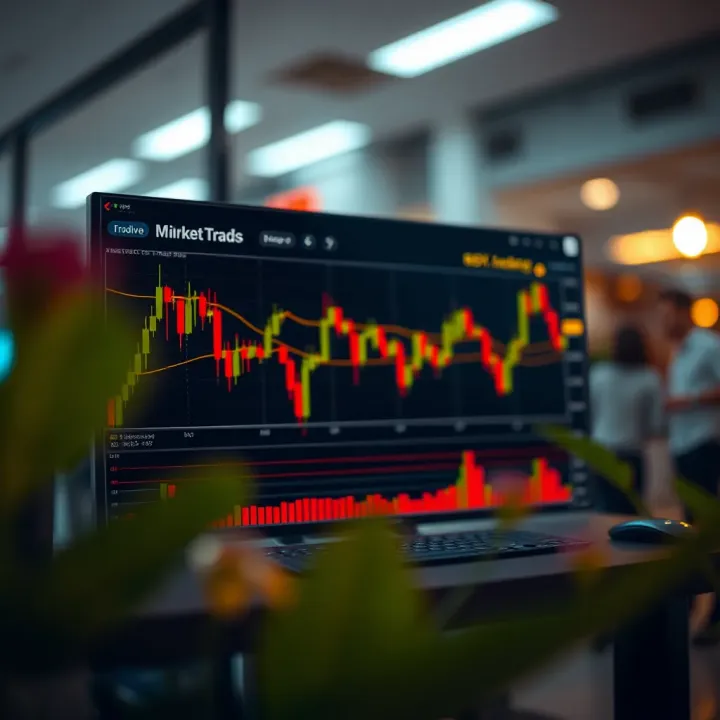
Learn how mitigation in forex trading helps manage risks and protect investments 💹 Discover strategies, tools, and tips to minimize losses in Nigeria's currency market.
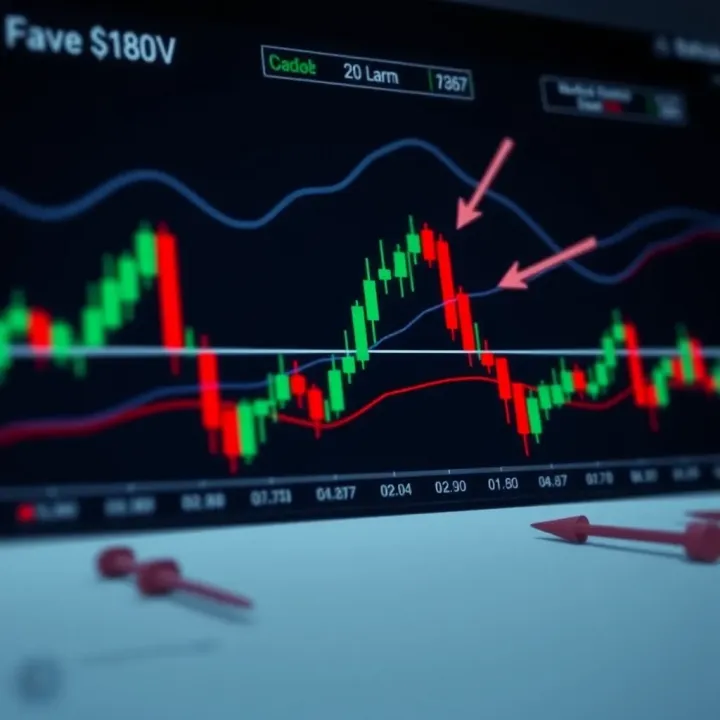
📊 Learn how deviation in forex trading affects your orders, what causes it, and practical ways to manage risks and protect your trades from sudden price shifts.
Based on 12 reviews