
Forex Trading in Nigeria: A Practical Guide
Discover practical tips on forex trading in Nigeria 🇳🇬, including key regulations, common challenges, and how technology is shaping ₦trading for local traders.
Edited By
Thomas Grant
The foreign exchange market, popularly called forex, stands as the world’s largest financial market where currencies are bought and sold daily. For Nigerians seeking a new venture or diversification of investments, forex trading offers real opportunities but demands proper understanding and discipline.
This guide distils a full forex trading course into a clear, accessible PDF designed specifically for Nigerians. It provides a solid foundation covering how forex markets work, practical trading strategies, and essential risk management techniques essential for safeguarding your capital.
Nigerian traders face particular challenges, including exchange rate volatility affected by naira fluctuations and regulatory considerations under bodies like the Nigerian SEC and CBN. The course addresses these realities by offering insights into local market conditions, access to relevant tools, and recommended brokers who comply with Nigerian laws.
Mastering forex trading means gaining more than just theory. This guide equips you with actionable knowledge—from technical analysis methods such as candlestick patterns and moving averages, to fundamental analysis focusing on economic indicators like CBN monetary policy decisions or crude oil prices that impact currency values.
Fundamentals of forex markets and how currency pairs operate
Diverse trading strategies tailored for different market conditions
Risk control practices to avoid common pitfalls
Technical tools that aid decision-making, including chart analysis
How to set up trading accounts, including verification with BVN and using platforms popular in Nigeria
Accessing continuous education resources to keep your skills sharp
This PDF course aims to reduce guesswork and boost your confidence as you step into forex trading. It’s a practical, no-nonsense roadmap built with Nigerian market realities in mind.
Whether you're an entrepreneur seeking alternative income, financial analyst exploring currency impacts, or investor wanting to diversify, the course emphasises hands-on skills that translate directly into better trading results.
Understanding the basics of forex trading lays the foundation for any trader, especially in Nigeria where access to global markets is growing fast. This section introduces you to the currency market's broad scope and vital operational details so you can navigate confidently.
Forex trading involves buying and selling currencies to profit from changes in exchange rates. It is the largest financial market worldwide, boasting daily transactions exceeding $6 trillion. Its size and liquidity offer opportunities for traders to enter and exit positions quickly, unlike typical stock markets.
The forex market operates through global networks of banks, financial institutions, corporations, and individual traders. For Nigerians eyeing foreign remittances, import-export deals, or investment diversification, forex trading is a practical way to tap into these flows.
The US dollar (USD), euro (EUR), British pound (GBP), Japanese yen (JPY), and Swiss franc (CHF) dominate global forex trades. These currencies fluctuate based on geopolitical shifts, economic reports, and central bank actions.
In Nigeria, the US dollar and British pound are especially significant due to trade ties and remittance patterns. The naira (₦) pairing with the dollar (USD/NGN) is highly watched, especially given ongoing efforts to stabilise the naira amid fluctuating oil revenues and foreign exchange policies by the Central Bank of Nigeria (CBN).
Forex operates 24 hours across key trading sessions: Asian, European, and North American. The overlap between sessions brings higher liquidity and volatility, which traders can exploit.
For Nigerian traders, the European and North American sessions coincide with the evening and night, times when market activity peaks. This means proper timing of trades is crucial for optimising opportunities and reducing risks.
Brokers act as intermediaries between you and the wider forex market. They provide trading platforms where you can place orders, access charts, and manage your account. Picking a reliable broker matters—regulation, transaction costs, and platform features all impact your trading success.
Popular brokers in Nigeria include international names with local presence offering access to platforms like MetaTrader 4 or 5, known for user-friendly interfaces and analytical tools. This ensures traders can execute trades efficiently and keep tabs on market movements without technical hitches.
Knowing the forex basics — market scope, major currencies, trading hours, and broker roles — is the first step to building a trading routine that suits your goals and lifestyle.
Understanding core trading concepts is essential before making any move in the forex market. These foundational terms and ideas shape how traders interpret market data, make decisions, and manage their capital. For Nigerians venturing into forex trading, grasping these basics prevents costly mistakes and builds confidence, especially given the volatile nature of the naira and global currencies.
Pips, lots, leverage, margin are the building blocks of forex trading language. A pip represents the smallest price movement a currency pair can make, usually the fourth decimal place in most pairs. For example, if the USD/NGN rate moves from 450.00 to 450.01, that change is one pip. This measure allows traders to quantify profit and loss precisely.
A lot refers to the trade size. Standard lots equal 100,000 units of the base currency, but many brokers offer mini or micro lots, which are 10,000 or 1,000 units respectively. Using smaller lot sizes helps beginners manage risks without committing too much capital at once.
Leverage lets traders control larger positions with a smaller deposit, effectively borrowing funds. For instance, a 50:1 leverage means ₦1,000 can control ₦50,000 worth of currency. But while leverage can magnify gains, it also increases potential losses, so Nigerian traders must use it cautiously, considering the volatility of the naira.
Margin is the collateral needed to open and keep a leverage position. It's not a cost but an amount held to cover potential losses. Understanding margin calls and ensuring sufficient account balance is vital to avoid forced trade closures.
Currency pairs and their classifications describe how currencies trade against each other. These pairs come in three groups: majors, minors, and exotics. Majors involve the world’s dominant currencies, like USD/EUR or USD/JPY, and they usually have the lowest spreads due to high liquidity.
Minors pair major currencies excluding the USD, like EUR/GBP or AUD/CAD. They typically entail wider spreads and more volatility. Exotic pairs combine major currencies with currencies from emerging markets, such as USD/NGN or USD/TRY.
For Nigeria, trading exotic pairs like USD/NGN is common, but traders should be aware of pricing irregularities caused by the local forex market’s hybrid official and parallel rates.
Bid and ask prices define what traders pay and receive in the forex market. The bid is the price buyers are willing to pay for a currency, while the ask (or offer) price is what sellers want to receive. For example, if the USD/NGN bid is 460.00 and the ask is 460.05, you can sell USD at 460.00 but can only buy at 460.05.
This difference, known as the spread, represents part of the trading cost and profit for brokers. Traders should always check bid-ask spreads because a wide spread can eat into potential profits quickly.
Spread types and impact on trading costs vary among brokers and sessions. Fixed spreads remain constant regardless of market conditions, which offers predictability but may result in higher costs during stable periods.
Variable spreads fluctuate based on market volatility and liquidity. In active trading hours, spreads tighten, reducing costs. However, during ember months or volatile news events impacting currencies like the naira, spreads can widen significantly.
Understanding spread types helps traders choose brokers wisely, keeping costs low and ensuring trades open/close smoothly without unexpected surcharges.
Mastery of these core terms provides a solid foundation for effective forex trading. Whether estimating profits via pips, choosing the right lot size, or judging spreads, these concepts directly impact trading outcomes in the challenging Nigerian financial environment.
Understanding both technical and fundamental analysis is essential for traders who want to make informed decisions in the forex market. These approaches offer different perspectives: technical analysis focuses on price movements and patterns, while fundamental analysis looks at economic factors driving currency values. Combining them can improve timing and accuracy when entering or exiting trades.
Technical analysis relies heavily on charts to visualise currency price trends over various timeframes. There are several chart types, but the most common in forex trading are line charts, bar charts, and candlestick charts. Candlestick charts are particularly popular because they provide more detail, showing open, close, high, and low prices within a single period. This extra information helps traders spot potential reversals or continuation patterns more clearly. For example, if you see a ‘hammer’ candlestick forming after a downtrend, it might indicate a potential bullish reversal.
Common technical indicators such as moving averages and the Relative Strength Index (RSI) help quantify market momentum and potential overbought or oversold conditions. Moving averages smooth out price data to identify trend directions, making it easier to decide whether to buy or sell. The RSI, ranging from 0 to 100, signals when a currency pair might be stretched too far in one direction; for instance, an RSI above 70 generally suggests the currency is overbought and due for a pullback. In practice, Nigerian traders often use these indicators alongside price action to make quicker decisions amid volatile market conditions.
Economic indicators play a major role in shaping currency values. Data like inflation rates, unemployment figures, GDP growth, and trade balances provide clues about a country’s economic health. For example, if Nigeria’s inflation rate spikes unexpectedly, the naira could weaken because higher inflation tends to reduce purchasing power, making the currency less attractive to investors. Traders who keep an eye on such reports can anticipate potential market moves before they fully unfold.
Central bank policies are equally influential, especially the actions of the Central Bank of Nigeria (CBN). Interest rate changes, foreign exchange interventions, and reserve management directly affect naira liquidity and value. During periods of naira depreciation, the CBN may raise interest rates to attract foreign investors or limit naira outflows. Understanding these decisions helps traders align their strategies with the prevailing monetary environment. For instance, if the CBN signals plans to tighten liquidity, traders might expect the naira to strengthen, so they could adjust their positions accordingly.
Both technical and fundamental analyses are necessary tools for Nigerian forex traders. While charts and indicators guide entry and exit points, economic reports and CBN policies contextualise market movements, helping strategise effectively.
In summary, mastering these analysis techniques equips you with a better grasp of market forces and improves your chance to trade profitably, especially in the dynamic Nigerian forex landscape.
Managing risks and setting strategies are the backbone of successful forex trading. Without a solid approach to risk management, even the most promising trades can lead to significant losses. Equally, having clear strategies ensures that your trading decisions aren’t just shots in the dark but planned moves with measurable goals. This section highlights core methods and tactics that will help you protect your capital and increase your chances of consistent profits.
Position sizing and stop-loss orders serve as the first line of defence in forex trading. Position sizing refers to determining how much of your capital to allocate to a single trade, usually expressed as a percentage of your total trading funds. For example, if you have ₦500,000 in your trading account, placing a trade that risks no more than 1-2% of that amount per trade is a wise practice to avoid heavy losses. A stop-loss order is a protective measure set at a specific price point to automatically close your trade if the market moves against you. This limits your downside and prevents emotional decisions during volatile swings, which are common in forex markets.
Controlling leverage and emotional discipline are crucial elements that many traders overlook. Leverage magnifies both gains and losses, so using excessive leverage can drain your account fast. Nigerian traders should be especially cautious since the naira can be quite volatile, adding extra risk layers. Keeping leverage low, for instance at 1:10 or below depending on your comfort, helps you stay in control. Emotional discipline complements leverage control; it means sticking to your trading plan without impulsive changes. When trades go wrong, panicking or chasing losses often worsen the situation. Successful traders treat forex trading like a business, making decisions based on data rather than sentiment.
Scalping, day trading, and swing trading offer distinct approaches suited to different personalities and lifestyles. Scalping involves making many quick trades to earn small profits multiple times a day, relying heavily on technical analysis and fast execution. Day trading means opening and closing trades within a single trading day to avoid overnight risks. Swing trading focuses on capturing medium-term trends over several days or weeks, suited for traders who cannot monitor markets constantly. Each strategy requires a level of understanding of market patterns and risk tolerance.
Approaches suitable for Nigerian trading conditions tend to factor in local challenges like internet stability, power supply, and the naira’s fluctuations. Swing trading, for example, fits well for traders who might face frequent power or network outages, as it doesn’t require rapid, continuous monitoring. Also, considering the CBN’s policies and local economic events in your analysis helps in predicting currency movements more accurately. Access to reliable data via platforms like MTN or Glo and using brokers regulated by the Nigerian SEC can improve your trading experience. Tailoring strategy to Nigerian contexts enhances your chances of staying afloat in a demanding market.
A sensible trader prioritises protecting funds just as much as seeking profits. Understanding risk limits and adopting the right strategy for your situation sets the stage for long-term success.
Following these essentials will keep your forex trading journey focused, steady, and mindful of both opportunities and pitfalls prevalent in the markets Nigerians face daily.
Getting started with forex trading in Nigeria requires careful planning and awareness of local market conditions. It’s not just about having the money to trade — it’s about choosing trusted brokers, reliable platforms, and using quality resources like a well-structured PDF course to guide your decisions. This section addresses those practical steps, helping you avoid common pitfalls and maximise your chances for success.
In Nigeria, it’s vital to pick brokers regulated by respected bodies like the Securities and Exchange Commission (SEC) or global authorities such as the FCA (UK) or ASIC (Australia). Regulation adds a layer of security — it keeps brokers accountable and protects your funds from fraud. Many Nigerians have fallen victim to scams by unregulated firms promising unrealistic returns but disappearing with clients’ money.
Additionally, it’s wise to look for brokers with a proven track record and positive reviews from local traders. For instance, some brokers have been servicing Nigerian clients for over a decade, offering local currency deposits and withdrawals. This eases the trading process and minimises costs related to currency conversion or international transfer delays.
When it comes to platforms, MetaTrader 4 (MT4) remains a top choice among Nigerian traders because of its simplicity, robustness, and extensive community support. More advanced traders sometimes prefer MetaTrader 5 (MT5), which offers additional charting tools and instrument types.
Several brokers also provide web-based platforms or mobile apps, which come in handy given Nigeria’s mobile-first internet usage. Platforms from brokers like FXTM, HotForex, and Alpari are accessible across devices and tolerable on Nigeria’s varying internet speeds. Selecting platforms that allow seamless deposits and withdrawals in naira — sometimes directly linked with Nigerian banks or fintech services like Paystack or Flutterwave — can vastly improve your trading experience.
Approach the full course PDF as a step-by-step manual rather than a one-time read. Break it down into sections, and tackle topics like basic terms, analysis techniques, and strategies slowly. For example, spend a few days mastering core concepts like pips and leverage before moving on to chart reading. This steady progress helps build lasting knowledge and prevents overwhelm.
Make annotations or jot down questions as you go. Nigerians who study forex seriously often combine PDF learning with watching tutorials or joining forums for discussion, reinforcing their understanding. Consider revisiting earlier chapters every now and then to refresh your foundational skills.
The trick is to balance theory with practice. Start with a demo account provided by your broker to test strategies from the PDF without risking real money. For instance, if the PDF explains swing trading, try to identify entry and exit points in the demo platform under real market conditions.
Also, keep a trading journal to note down your decisions, mistakes, and outcomes. This habit developed by diligent Nigerian traders helps track progress and sharpens your discipline. Remember, emotional control is as important as technical skill in forex. Combining these course insights with patient experimentation will gradually build confidence to transition into live trading with real naira.
Always remember: the forex market moves fast, but steady, informed steps are the best way to avoid costly errors and build lasting success
Discover practical tips on forex trading in Nigeria 🇳🇬, including key regulations, common challenges, and how technology is shaping ₦trading for local traders.
Learn forex trading fundamentals and strategies 🇳🇬 with a clear PDF guide designed for Nigerian traders. Manage risks, boost skills, and trade confidently in Nigeria’s market 💹
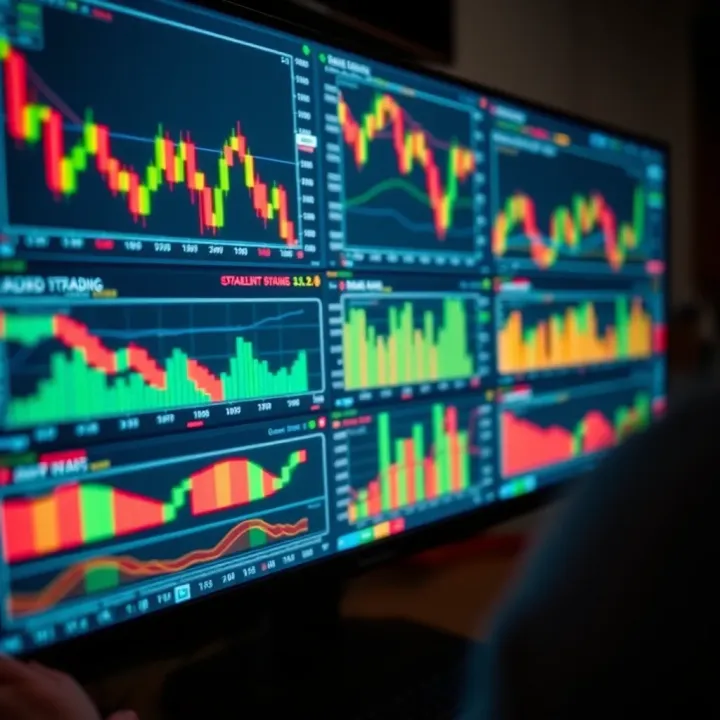
Explore top online trading tips for Nigerians 🇳🇬. Learn how to pick reliable platforms, manage risks, and navigate asset classes within Nigeria’s financial rules 📈💹.
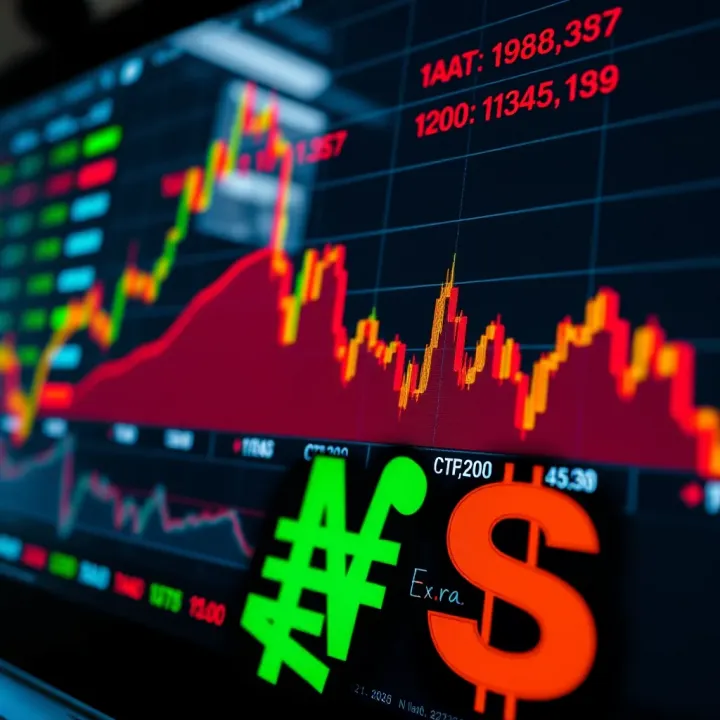
🌍 Ready to start forex trading in Nigeria? Learn how to pick trusted brokers, avoid scams, handle ₦ risks, and follow CBN rules for safe profits. 📈
Based on 7 reviews