
Choosing the Best Trading Platform in Nigeria
Discover how to pick the best trading platform in Nigeria 🇳🇬. Learn about key features, costs, security & regulations to trade with confidence 💹📊.
Edited By
Ethan Gray
Trading can be overwhelming, especially for new traders wondering how to begin without losing money fast. Demo accounts offer a safe space to practise trading stocks, forex, or cryptocurrencies without using real cash. These practice accounts simulate real market conditions, letting you learn by doing instead of guessing.
In Nigeria’s growing trading ecosystem, platforms like Trove, Bamboo, and Binance provide demo accounts that replicate live trading environments. This means you can test your strategies and understand how market moves affect your investments without risking ₦10,000 or more on a single trade.
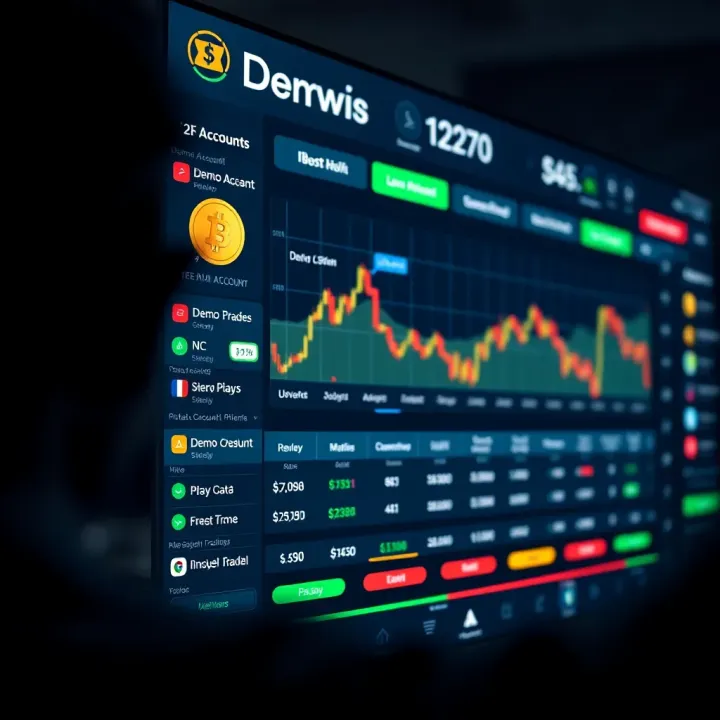
Using a demo account lets you experience the thrills and risks of trading while protecting your pocket. It’s like learning to drive on an empty road before hitting Lagos traffic.
A demo account comes preloaded with virtual funds, allowing you to place trades, check charts, and explore different financial instruments. You can make errors and learn from them without stress, which is vital because real trading involves emotions that can cloud judgment.
Here’s why demo accounts are indispensable for traders of all levels:
Build confidence: Testing strategies helps you gain confidence before going live.
Understand platform tools: You get familiar with order placements, stop-loss settings, and interface options.
Identify your style: Whether you prefer day trading forex or long-term stock investing, demo trading guides your preference.
Navigate market dynamics: Real-time prices and volatility give insight into market behaviour.
For investors and financial analysts, demo accounts also serve as a training ground to sharpen analytical skills and practice risk management. Brokers and entrepreneurs benefit by refining trade execution and client advisory without pressure.
In sum, demo accounts are a valuable starting point that reduces costly mistakes and sharpens your trading acumen in Nigeria’s dynamic markets. Next, we will explore how to set up these accounts on popular Nigerian platforms and maximise their potential.
Understanding what a demo trading account is forms the foundation for anyone seeking to trade stocks, forex, or cryptocurrencies safely and confidently. Demo accounts offer a way to practise trading strategies without risking real money, which is especially important in volatile markets like Nigeria's where naira fluctuations and economic shifts can affect asset prices. Knowing how these accounts work helps traders avoid costly rookie mistakes when they eventually move to live trading.
A demo account provides a simulated trading environment where you can experience how buying and selling assets actually works without financial consequence. For example, using platforms like MTN's digital wallet integrations or brokers such as FXTM Nigeria, you get an interface that looks and feels like the real thing. This familiarises you with placing orders, managing trades, and reading market charts before any real stakes are involved.
Since no actual funds are at risk, you can try different approaches boldly without stress. Suppose you want to test trading oil futures amid global price swings; with a demo account, you can observe how price changes affect your portfolio using virtual funds. This hands-on trial makes it easier to grasp the mechanics of trading without worrying about losing ₦50,000 or more.
For beginners especially, these accounts act as a training ground where they build skills gradually. Imagine a novice trader starting with a demo account on platforms like ARM Securities. They can practise interpreting technical indicators like moving averages or RSI during demand-heavy ember months, sharpening their analytical skills before entering the live market.
Demo accounts operate with virtual money, which means all profits and losses are imaginary. However, this setup is not just for show; it replicates actual trading outcomes based on your decisions. If you make risky trades, your virtual balance reflects the losses, teaching discipline and risk awareness without cutting into your wallet.
Unlike simulations based on historical data, good demo accounts provide up-to-the-minute market information. This feature is essential because market conditions can shift swiftly, whether it’s a sudden naira devaluation or a policy announcement by the Central Bank of Nigeria (CBN). Practising with live data prepares you for reacting to real market movements as they happen.
The greatest advantage lies in risk-free learning. Traders can repeatedly test strategies—like scalping or swing trading—without financial pressure. For instance, someone experimenting with forex pairs like USD/NGN on a demo app can learn how spreads and execution delays impact trading before committing actual funds on platforms like Oanda or IG Markets.
Demo accounts are your first stepping stone to mastering market dynamics safely. They allow you to build confidence and sharpen trading skills without risking your hard-earned money.
Overall, understanding demo accounts equips traders to approach real markets more strategically and with greater assurance, which is vital for success in the dynamic Nigerian trading environment.
Opening and using a demo trading account in Nigeria is a practical step for anyone interested in understanding how financial markets work without risking actual money. In a market where naira fluctuations and economic uncertainties are common, practising with a demo account gives beginners and experienced traders a safe environment to build their skills and confidence.
Several Nigerian brokers provide demo accounts tailored for local traders, such as Meritrade, Chaka, and Trove. These platforms give you access to the Nigerian stock market and popular global assets, allowing you to practise trading without financial risk. Using these reputable brokers also ensures you experience a realistic trading environment and gain familiarity with specifics like transaction charges and liquidity typical to Nigerian markets.
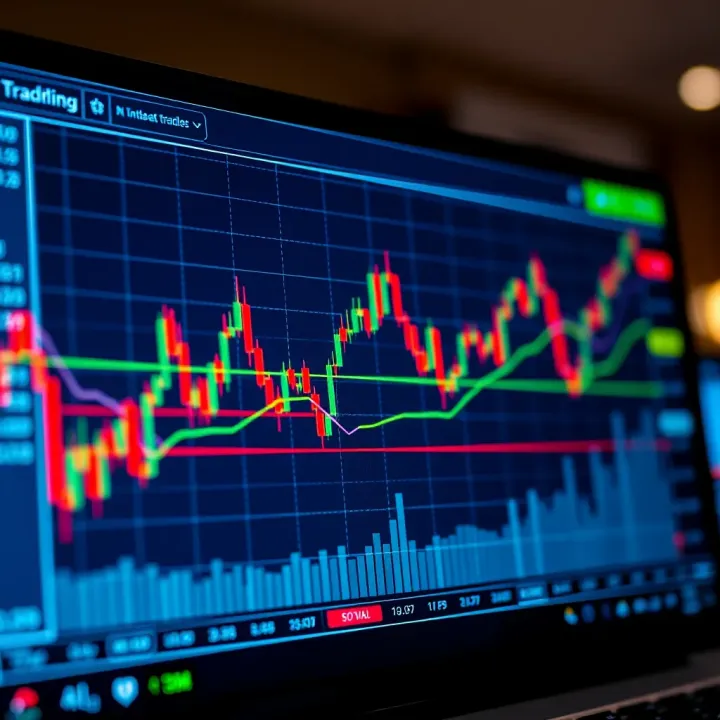
Many brokers offer both mobile apps and web platforms for demo trading. Mobile apps are handy for on-the-go monitoring and fast order placement, especially during Lagos traffic or commuting. On the other hand, web platforms on laptops or desktops provide more detailed charts and analytical tools, which can be crucial for learning technical trading strategies. Choosing between these depends on your lifestyle and what trading style you want to develop.
Creating a demo account typically requires basic personal details such as name, email, and phone number. Unlike live accounts, Nigerian platforms often don’t require Bank Verification Number (BVN) or detailed identification for demo access, making it quick and straightforward to start. However, providing accurate contacts helps in case of updates or support, ensuring you get stable access to the platform.
Demo accounts come loaded with virtual funds, usually a sizeable amount like ₦1,000,000 or its equivalent in dollars, depending on the platform. This balance lets you test different market positions—from buying and selling shares to forex pairs or cryptocurrencies—without fear of real loss. Managing this virtual money patterns your trading discipline and capital exposure ready for real trading.
Once set up, familiarising yourself with the trading dashboard is key. The interface shows prices, charts, order types, and portfolio overview. Practising how to switch timeframes on charts, set stop-loss and take-profit orders, or read market news sections will help you trade effectively later. Nigerian brokerages often include local market news which concretely benefits your market timing skills.
Mock trades in a demo account mimic real orders but use virtual money. This lets you try entry and exit strategies without pressure, such as buying shares in Flutterwave or selling forex pairs like USD/NGN. You can experiment with limit orders, market orders, or stop orders, testing how each works in live conditions. By doing so, you learn to control emotions and understand execution nuances better.
Using a demo account for trading practice helps you understand the mechanics and hones your skills while shielding you from financial loss, a major advantage especially in volatile markets like Nigeria’s.
Taking these steps seriously will prepare you better for live trading, giving you a solid footing when you finally decide to invest genuine funds in the market.
Demo accounts offer a safe space where traders can build their skills without risking real money. This is especially important in markets that can be unpredictable, like forex or cryptocurrencies, where even experienced traders face challenges. Using a demo account lets you understand market movements, test strategies, and get familiar with tools before committing actual funds.
Understanding how markets move is the first step every trader must take. Markets react to many factors: economic news, political events, and investor sentiment. In a demo account, you watch price changes unfold in real time, without feeling the pressure of losing cash. For example, you may notice how Nigerian stock prices dip after a CBN interest rate hike but appreciate how they recover over time. Observing these patterns helps you build a solid base for live trading.
Testing different strategies safely is another key benefit. When you try out various approaches—such as scalping in forex or long-term stock position-taking—you learn what suits your style. Maybe a simple moving average crossover works well for you, or perhaps buying dips after market sentiment turns is better. Demo accounts let you apply these strategies repeatedly, without the stress of losing thousands of naira, giving you room to fine-tune your methods.
Learning chart reading and technical tools is essential for informed trading. Many beginners skip this and end up guessing market moves, which leads to losses. On a demo platform, you can practice interpreting candlestick patterns, drawing support and resistance lines, and using indicators like RSI or MACD. Getting comfortable with these tools ensures you make decisions based on data rather than guesswork once you go live.
Order types and execution can vary between brokers, and mastering these on a demo account helps avoid costly errors. For instance, Nigerian brokers offer market orders, limit orders, and stop-loss options. Knowing when and how to use stop-loss orders can protect your capital when trading live. You also experience the platform’s response time and order execution speed without risking real cash.
Risk management features built into trading platforms are vital to control potential losses. On demo accounts, traders practise setting stop-losses, take-profit points, and trailing stops. These features are your safety nets, and practising their use helps prevent emotional trading decisions. It also builds discipline—you'll learn to respect these limits instead of chasing unrealistic gains.
Analytical tools and indicators available on demo platforms empower you to evaluate market conditions more effectively. Examples include volume analysis, trend lines, and oscillators. By regularly using these tools in your practice trades, you get a feel for what signals are reliable in Nigeria’s market environment. This kind of experience makes analysis less intimidating and helps you spot the right entry and exit points in live trading.
Using a demo account is like learning to drive on an empty road before hitting Lagos traffic during rush hour. It prepares you for the real market’s twists and turns with zero financial risk, making your transition smoother and more confident.
Demo trading accounts are excellent for learning, but they come with certain limitations that traders in Nigeria should understand before fully relying on them. Recognising these constraints helps set realistic expectations, ensuring a smoother transition to live trading when the time comes.
Demo accounts use virtual money, so there’s no risk of losing real cash. This might sound good, yet it means you don’t face the same emotional stress that comes with risking your hard-earned ₦. For example, a trader using demo funds might calmly stick to a plan after a losing trade, but in live trading, the fear of losing actual money could cause hesitation or impulsive decisions.
Without that genuine pressure, it’s difficult to fully develop emotional discipline. Many traders find they make different choices when actual money is at stake, even if they've performed well in demo environments.
Since demo trading doesn’t affect your wallet, it’s easy to take bigger risks than you would normally. You might enter trades with huge lots or try risky strategies without worrying about losses. This habit can be dangerous because it doesn’t reflect real-life trading behaviour.
For instance, a beginner may throw all virtual funds into high-volatility assets to chase quick wins. While fun in demo, this could breed poor risk management habits that hurt when moving to live trading. It's important to treat demo funds as if they were real to build proper discipline.
Demo accounts usually offer near-instant order execution at quoted prices, but real markets often behave differently. Slippage occurs when your trade executes at a worse price due to rapid market moves or low liquidity.
For example, if you place a market buy order on a stock listed on the Nigerian Exchange Group (NGX) during high volatility, the actual price you pay might be higher than the displayed one. Demo platforms often don’t simulate these nuances, creating a false sense of certainty.
Additionally, execution delays are rare in demo environments but can occur live, especially when trading less liquid assets or during busy hours. Being aware of this helps traders prepare for the realities of live market conditions.
Liquidity—how easily you can buy or sell an asset without affecting its price—is often perfect in demo accounts. In reality, especially in Nigerian markets or less popular forex pairs, liquidity can be patchy.
For instance, trying to sell a large volume of an obscure stock on NGX might take longer or cause prices to drop substantially, whereas demo accounts let you buy or sell any amount instantly at the current price. This discrepancy means demo users often don’t face challenges related to market depth or order book limitations.
Understanding these limitations is vital. While demo trading builds skills and confidence, acknowledging the differences between simulated and live markets ensures you approach real trading with both caution and preparedness.
By keeping these points in mind, Nigerian traders can better manage their expectations and prepare mentally for the step up from demo trading to risking real ₦ on the markets.
Moving from a demo account to live trading is a significant step in any trader's journey. It marks the point where theoretical practice meets real market conditions, where decisions involve actual money and emotions can run high. Knowing when to make this transition and how to approach it can protect your capital and set you on a path towards sustainable success.
If your trading strategies generate consistent profits on your demo account over a reasonable period, that's a strong indication you understand market dynamics. For example, if you have tried multiple entry and exit techniques on stocks or forex pairs and can regularly close trades with gains after factoring in commissions or spreads, it suggests your approach works beyond luck. Keep in mind, consistency here means managing losses well and still coming out ahead overall.
Demonstrating this over weeks or months, varying market conditions, and different assets is crucial. Remember, a strategy that only works once or twice won't carry you safely into live trading. You need to trust your system and its ability to handle volatility.
Beyond strategies, feeling at ease with your trading platform is vital. This involves knowing how to place market and limit orders, set stop-loss and take-profit levels, and use analytical tools without hesitation. For instance, if you can quickly react to chart patterns or news events on your chosen platform — be it local brokers like Trove or international apps accessed in Nigeria — you reduce chances of costly errors when money is involved.
Additionally, understanding how the market moves throughout the day, including common patterns like market open spikes or midday slowdowns, helps you time your trades better. Familiarity lowers stress and improves decision-making, two factors often underestimated by new traders.
Trading with real money calls for strict emotional discipline. Even if your demo account shows stellar results, it won’t prepare you fully for the psychological pressure of risking capital. You must avoid impulsive trades driven by fear or greed.
Look out for how you handle losing streaks or unexpected market moves while practising. If you stay calm, stick to your plan, and don’t chase losses on demo, it’s a good sign. When live, emotions can be tougher to manage, but having developed some resilience will prevent rash decisions that cost you.
Begin live trading with a small amount of money you can afford to lose. For example, starting with ₦20,000 instead of a large sum helps you manage risk while getting real-market experience. Small capital reduces pressure and lets you refine execution, strategy, and emotional control under actual conditions without exposing yourself to large losses.
Treat this phase as an extension of your demo practice but with the added reality of financial stakes. It’s about balance — learning faster while protecting your pocket.
Risk management is non-negotiable. Never risk more than a small percentage of your capital on a single trade — usually 1 to 2 per cent. For instance, if you start with ₦50,000, set your stop loss so you don’t lose more than ₦500 to ₦1,000 per trade.
Using stop losses, position sizing, and avoiding overtrading will shield your funds and preserve patience. Also, diversify your trades where possible to spread risk, especially if trading multiple assets.
Live trading doesn’t mean you stop learning. The markets evolve, as do technologies and trading techniques. Keep educating yourself through credible news sources, market analyses, and perhaps engaging with professional traders or local trading communities.
Besides reading and watching tutorials, keep a trading journal to review your trades regularly. Document what worked, what didn’t, and adjust accordingly. This practice turns live experience into lasting knowledge and sharpens your skills over time.
Transitioning smartly from demo to live trading can save you from common pitfalls and set you up for long-term resilience and growth in the Nigerian trading scene.
Discover how to pick the best trading platform in Nigeria 🇳🇬. Learn about key features, costs, security & regulations to trade with confidence 💹📊.
Discover how to pick the best trading app in Nigeria 🇳🇬 to earn money 💰. Learn tips, popular apps, risk management, and ways to boost your trading success 📈.
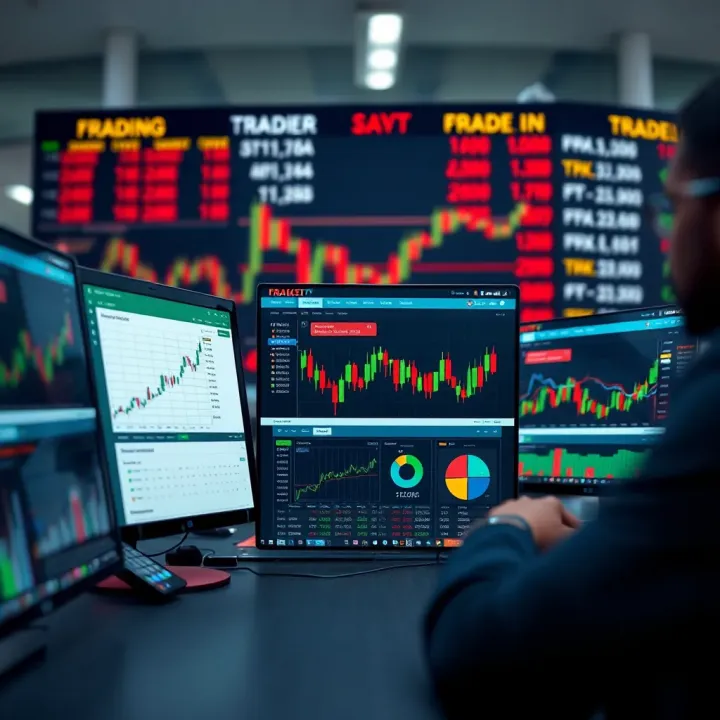
Discover how to pick the best trading broker in Nigeria! Learn about key features, regulations, costs, and top broker options to fit your trading needs 📈🇳🇬
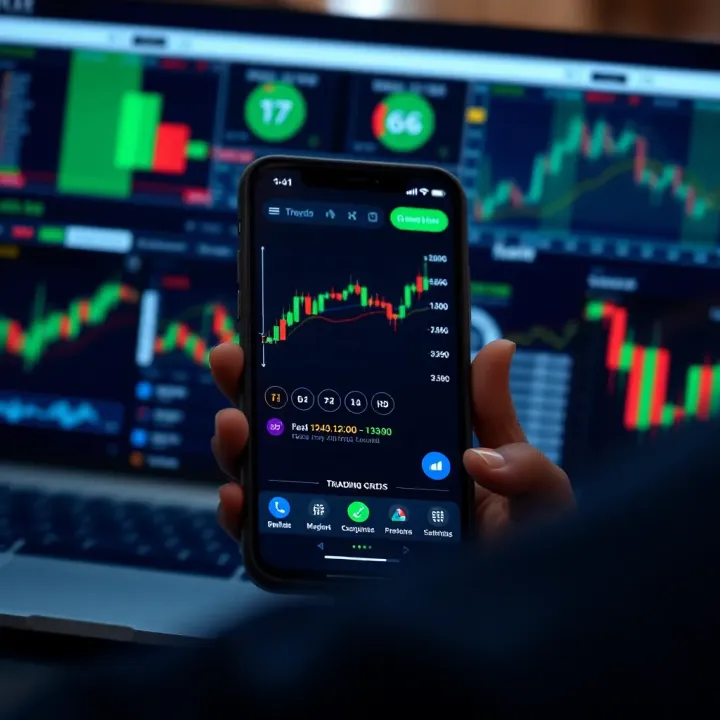
📱 Discover how to choose the best trading app in Nigeria with top features, security tips, fees, and support for beginners and pros alike. 💼📈
Based on 6 reviews