

Best Online Trading Platforms in Nigeria
Discover how to choose the best online trading platform in Nigeria 🇳🇬 by comparing features, security, fees, asset options, and user experience for smart trading.
Edited By
Amelia Johnson
In Nigeria, the internet has increasingly become a prime avenue for earning income without the stress of physical commuting or relying on traditional, often time-consuming jobs. Whether you are a trader, investor, or entrepreneur, understanding how to make money online can open new streams of revenue, enhance business flexibility, and tap into the growing digital economy.
The Nigerian digital space offers practical opportunities across various levels of skills and resources. From freelancing platforms like Upwork and Fiverr, where professionals offer services such as graphic design, writing, or coding, to e-commerce sites like Jumia and Konga that allow you to sell products nationwide, the options are diverse. Digital content creation on YouTube or TikTok also provides a viable income stream through advertising revenue and brand partnerships, especially if you create local, relatable content.

Additionally, investing through online platforms is gaining traction. Nigerians can now trade stocks on the Nigerian Exchange (NGX) or participate in cryptocurrency markets using wallets and exchanges compatible with Nigerian banking systems. Proper knowledge of these platforms is essential for sustainable earning.
Online earning in Nigeria is not just about chasing quick return. It requires patience, consistent effort, and understanding local market trends and consumer behaviour.
Reliable internet access and a smartphone or computer
A clear grasp of the opportunity’s requirements and risks
Compliance with relevant regulations, such as tax registration with FIRS
Secure payment methods (like Paystack, Flutterwave, or bank transfer) to receive your earnings
With this foundation, Nigerians can practically navigate the online space and convert skills into real, verifiable income, bypassing the need for daily physical travel on okada or danfo.
Starting small with freelancing or selling digital products can build capital to expand into areas like e-commerce or investing, making the online world a viable source of income beyond traditional settings.
Freelancing has become a popular way for Nigerians to earn online income, bridging the gap between skills and market demand. It offers flexibility and access to clients both within and outside the country without the need for physical offices or heavy startup capital. For many, freelancing means tapping into global markets while working from the comfort of Lagos, Abuja, or even smaller cities.
Writing and editing are foundational freelance jobs well-suited to Nigerians with strong command of English and local knowledge. Many businesses, bloggers, and media outlets need content that resonates with Nigerian audiences, covering topics like fintech, politics, or entertainment. Proofreading and copyediting also offer steady opportunities, especially for those with a good eye for detail. For example, a freelance writer can create SEO-friendly articles for Nigerian e-commerce sites to drive traffic.
Graphic design is another sought-after freelance skill, driven by the need for logos, social media visuals, adverts, and branding materials. Nigerian startups and SMEs often seek affordable but quality graphic design to boost their online presence. Tools like Adobe Illustrator and Canva are popular among freelancers. A designer creating eye-catching posters for local events or digital campaigns can gather consistent projects through platforms like Fiverr.
Programming and software development cover website building, app development, and software maintenance. Given Nigeria’s growing tech ecosystem, developers can find freelance gigs coding in languages such as Python, JavaScript, or PHP. For instance, a freelance programmer might be hired to develop a payment gateway integration for a Lagos-based online store. With Africa’s fintech boom, developers with these skills are highly competitive.
Platforms like Upwork and Fiverr act as gateways to international clients. Setting up profiles here requires a clear presentation of skills, portfolio samples, and competitive pricing tailored to the Nigerian market. These platforms provide secure payment systems, which are essential given Nigeria’s financial landscape. Success on these sites often starts with small projects that build credibility over time.
On the local front, Nigerian freelancing sites such as Asuqu or Findworka cater specifically to Nigerian employers and freelancers. These platforms understand local payment methods, client expectations, and market demands better, making transactions smoother. For example, Findworka often lists projects for content writers or developers focusing on Nigerian startups, easing entry for beginners.
Delivering quality work consistently is the backbone of freelancing success. Meeting or exceeding client expectations ensures repeat business and good reviews. A freelancer who submits well-researched articles or bug-free software on time strengthens trust, which is crucial since Nigerian freelancers often compete globally.
Client communication and deadlines also shape your freelance reputation. Prompt responses and clear updates can prevent misunderstandings, especially when clients are overseas. Nigerians managing multiple projects must adopt tools like Trello or WhatsApp for timely collaboration. Meeting deadlines shows professionalism and often leads to referrals, which are key in a tight-knit market.
Building a robust freelance career in Nigeria blends skill, reliability, and smart use of relevant platforms. By focusing on quality and client relations, freelancers can turn these opportunities into steady income, bypassing traditional job constraints.
Start by identifying your best skill among writing, graphic design, or programming.
Create detailed, honest profiles on both global and local freelance sites.
Prioritise timeliness and clear communication to build lasting client trust.
With these steps, freelancing becomes not just a side hustle but a sustainable stream of income in Nigeria's evolving digital economy.
Setting up an online shop in Nigeria is a proven way to tap into the growing digital economy while reaching customers beyond local markets. With mobile phone penetration and internet access steadily increasing, many Nigerians now prefer online shopping for convenience and variety. This section explains how you can build an online store, select products that sell well, and navigate Nigeria's unique e-commerce landscape.
Choosing between physical and digital products depends largely on your resources and target customers. Physical goods, such as clothing, electronics, and household items, remain popular because Nigerians enjoy buying tangible products that fit local tastes. However, physical products require storage space and efficient delivery solutions. For example, selling tokunbo phones or locally made fashion items can be profitable if you master stock management and quick dispatch.
Digital products, including e-books, courses, and software, eliminate logistic hurdles but demand strong digital marketing skills and quality content creation. For instance, a digital marketing guide tailored for Nigerian small businesses could attract entrepreneurs seeking affordable training without the need to hold inventory or manage shipping.
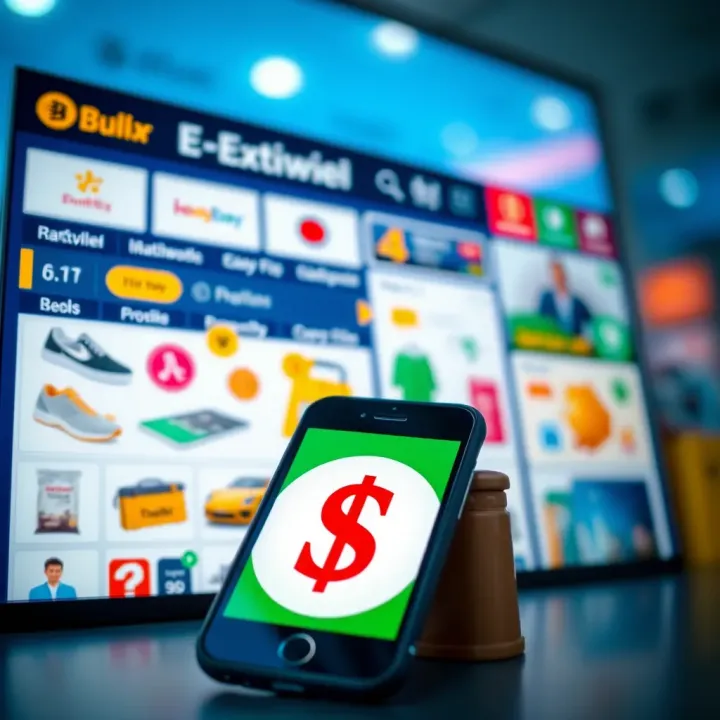
Certain niches thrive on Nigerian e-commerce platforms due to local demand and swift market growth. Fashion and beauty products top the list, with buyers constantly seeking trendy fabrics, cosmetics, and accessories. Food and grocery delivery also have gained traction as consumers prioritise convenience, especially in Lagos and Abuja.
Additionally, electronics and mobile accessories remain steady sellers, considering Nigeria's youthful demographic and high tech adoption. Sellers who focus on these niches and combine quality with affordable pricing often attract loyal buyers.
Jumia and Konga dominate Nigeria's e-commerce scene, offering user-friendly seller options with large customer bases. Listing products on these platforms lets you tap into existing traffic while relying on their payment and delivery infrastructures. For instance, many Lagos-based small businesses have expanded sales significantly by joining Jumia's marketplace.
Shopify offers more flexibility if you want total control over your brand and experience. It allows you to create a dedicated online store, integrate payment gateways, and customise your site. While Shopify is less popular locally compared to Jumia, it suits entrepreneurs aiming for a unique brand presence and direct customer relationships.
Handling payments in Nigeria requires careful planning to provide trustworthy, convenient options, including Paystack, Flutterwave, and direct bank transfers. These digital payment gateways support card payments, USSD, and mobile wallets, making transactions smoother for customers.
Logistics is often the biggest challenge. Collaborating with local couriers like GIG Logistics or using Jumia's delivery system helps ensure timely product delivery. Clear communication about delivery times and return policies builds customer trust and reduces complaints.
Efficient handling of payments and logistics can make or break your online store’s reputation and repeat sales.
Social media holds sway in Nigeria, with platforms like Instagram, Facebook, and Twitter offering fertile grounds for promoting your store. Consistent engagement through eye-catching posts, reels, and customer testimonials can build brand awareness and drive traffic to your online shop.
Using targeted ads on Facebook and Instagram lets you reach specific demographics by age, location, and interests, making marketing budget more effective. For example, a seller of traditional attire can target users celebrating weddings and cultural festivals.
Partnering with Nigerian social media influencers can bolster your store’s credibility and visibility quickly. Influencers with engaged followers in your niche can showcase your products authentically, encouraging purchases.
Micro-influencers, who have smaller but highly loyal followers, offer budget-friendly collaboration opportunities. A local beauty influencer demonstrating your skincare line before ember months could boost sales significantly.
Combining solid product choice with smart platform use and marketing will help your online store thrive in Nigeria’s digital marketplace.
Creating and monetising digital content stands out as one of the most accessible paths for Nigerians looking to generate online income. The digital space offers flexibility and broad reach without the upfront costs of a physical setup. Well-targeted content engages audiences and creates opportunities for steady income streams through ads, sponsorships, and partnerships. For entrepreneurs and investors, tapping into this sector means connecting with Nigeria's vibrant online community while building a brand or business with scalable potential.
Focusing on content topics suited to Nigerian audiences is crucial. Topics like agriculture innovations, Lagos traffic solutions, local entertainment updates, and financial literacy tailored to naira fluctuations resonate deeply. For example, a blog about investing during ember months or advice on navigating JAMB registration sees better engagement because readers find relevance in everyday issues. A Nigerian website offering such insights gains traction and attracts loyal visitors.
Ad revenue and sponsored posts commonly fund blogs and websites. Platforms such as Google AdSense enable content creators to earn through ads displayed on their sites. Meanwhile, sponsored posts involve companies paying bloggers to feature their products or services—think of fintech firms like Paystack or e-commerce platforms like Jumia seeking targeted exposure. This dual approach allows bloggers to diversify income while maintaining content relevance.
Content ideas with local relevance fuel YouTube channels and podcasts. Consider shows discussing popular Nollywood releases, local politics, or cooking tutorials featuring native dishes like egusi soup. Podcasts can explore topics such as the startup scene in Lagos or interviews with successful Nigerian entrepreneurs. Viewers and listeners tend to stay loyal when content reflects their culture and interests.
Monetisation through ads and partnerships expands income potential beyond just views or listens. YouTube’s Partner Program shares advertising revenue with content creators, while podcasts can attract sponsorships from Nigerian brands. For instance, a podcast about Nigerian stock investments might partner with platforms like Cowrywise for affiliate promotions.
Instagram and TikTok monetisation rely on high engagement and follower base. Content creators showcasing Nigerian fashion, street food, or daily lifestyle moments can attract significant attention. These platforms support direct income through brand collaborations or promoting products via stories and reels, turning creative expression into income.
Brand deals and affiliate marketing are substantial means to earn on social media. Nigerian influencers often collaborate with mobile companies like MTN or bank brands such as GTBank for sponsored campaigns. Affiliate marketing also lets content creators earn commissions by promoting products from online stores like Konga or Jumia. These arrangements reward influence and reach, making social media a practical channel for income generation.
Consistency, cultural relevance, and audience engagement are key to successfully creating and monetising digital content in Nigeria. Target what your audience cares about and align your monetisation techniques accordingly.
The digital content space in Nigeria presents numerous avenues, from blogging and vlogging to podcasting and social media influencing. Understanding local preferences and business dynamics can turn digital creativity into sustainable income.
Investing and online trading have become essential ways for Nigerians to build wealth beyond traditional salary incomes. They provide a chance to grow money, access new financial opportunities, and diversify income streams in a country facing inflation and naira exchange volatility. For many, these methods offer alternatives to informal savings, with digital platforms making them accessible even to those without significant upfront capital.
The Nigerian Stock Exchange (NGX) offers a practical entry point for online investors. It allows individuals to own shares in Nigerian companies, from banks to consumer goods firms. To begin, one must open a Central Securities Clearing System (CSCS) account through a registered stockbroker. This account facilitates share transactions and holding electronically. Investing in NGX-listed companies enables Nigerians to earn dividends and potentially benefit from capital gains as share prices grow.
Mobile trading apps have transformed access to the stock market in Nigeria. Platforms like Meritrade, Trove, and Chaka provide user-friendly interfaces allowing investors to buy and sell stocks conveniently via smartphones. These apps also offer educational resources, real-time market data, and portfolio tracking to help investors make informed decisions. Because you can trade anytime and anywhere, mobile apps empower more Nigerians to join the stock market with ease.
Cryptocurrency and forex trading appeal to Nigerians due to high liquidity and 24/7 market hours. However, they come with risks and regulatory challenges. The Central Bank of Nigeria (CBN) has placed restrictions on crypto transactions, warning about scams and market volatility. Forex trading is legal but unregulated locally, raising concerns over fraudulent brokers and potential losses. It is crucial to fully understand these risks and operate with caution.
For those willing to explore, platforms such as Binance and Luno are popular for crypto trading, while ForexTime (FXTM) and IG provide forex access. Traders should prioritise platforms with strong reputations, user protections, and clear customer support. Starting with small amounts and learning through demo accounts can help mitigate losses. Always confirm that payment methods used are secure to avoid scams.
Apps like Piggyvest and Cowrywise have transformed how Nigerians save and invest by offering simple, automated options. These platforms let users set savings goals, contribute small amounts regularly, and earn interest higher than typical bank accounts. They support financial discipline, especially for those who struggle to save cash physically.
Beyond saving, such apps now provide micro-investment options in government bonds, mutual funds, and diversified portfolios. This approach lets Nigerians grow wealth steadily without requiring large sums upfront or direct stock market involvement. Thanks to transparent interfaces and ease of use, digital finance apps have become vital for middle-class Nigerians seeking to increase their net worth.
Investing and online trading are viable ways Nigerians can multiply their income streams, but success depends on awareness, prudent choices, and regular learning. The digital space offers access, but caution and consistency are the bedrock.
Open NGX accounts via licensed brokers before trading stocks
Use mobile apps like Meritrade for flexible stock market access
Understand CBN restrictions on crypto; trade with reputable platforms
Explore forex carefully with demo accounts before real investments
Save with Piggyvest or Cowrywise to build funds gradually
Use high-interest and micro-investment options to grow wealth steadily
These steps pave the way for experienced and beginner investors alike to participate fully in Nigeria’s evolving financial markets.
When diving into online income in Nigeria, practical challenges often shape success more than just skills or ideas. Handling costs, avoiding scams, and balancing work with everyday realities can make or break your efforts. Being aware of these factors helps you protect your earnings and sustain growth.
Affordable mobile data bundles are key to staying connected without draining your wallet. Nigerian telcos like MTN, Airtel, and Glo offer various data plans, some specially tailored for social media, streaming, or browsing. For instance, the "Night Plan" available on MTN can offer heavy data usage at cheaper rates between midnight and 5 am. Strategically buying bundles that suit your routine can lower monthly expenses, freeing funds for reinvestment or savings.
Using power alternatives wisely is just as important. Nigeria’s power supply remains unpredictable, and many online earners rely on generators or inverters. To avoid excessive spending on diesel, invest in other alternatives like solar panels or UPS (Uninterruptible Power Supply) for brief outages. For example, charging devices during generator running hours helps conserve battery power. Efficient power management means you stay productive without paying sky-high bills.
Knowing how to recognise common fraud schemes is crucial in Nigeria's online space, where cybercrime is on the rise. Beware of investment scams promising unrealistic returns or fake job offers requiring upfront fees. Scammers often fabricate identities or use cloned social media profiles. Before any transaction or commitment, verify the counterparty carefully through reviews, official websites, or trusted contacts. Nigerian platforms like Nairaland have threads warning users about scams.
Secure payment practices help shield your money during transactions. Use well-known and trusted payment gateways such as Paystack or Flutterwave that have fraud detection systems. When dealing directly, insist on payment confirmation before delivering goods or services. Avoid sharing sensitive details like BVN or OTP with unknown contacts; scammers often exploit such information. Always keep transaction receipts and records for possible disputes.
Effective time management can separate consistent earners from those who burn out quickly. Block specific hours for work, meetings, and breaks. Use tools like Google Calendar or Trello to organise daily tasks and avoid procrastination. Considering local factors like traffic jams and social obligations is vital; for instance, scheduling calls before danfo rush hours improves focus.
Handling internet disruptions requires planning since outages and slow speeds happen frequently. Have backup options like multiple SIM cards from different networks or use shared office spaces with reliable Wi-Fi when possible. Download critical files ahead of deadlines to work offline. Some freelancers keep a soft copy of contracts and client briefs to avoid data loss. Staying prepared means you keep delivering despite connectivity hiccups.
Balancing cost management, security awareness, and practical planning will deepen your online income journey in Nigeria. These considerations help you build income reliable enough to weather local challenges and grow steadily.
This section highlights smart practices essential for anyone serious about making money online in Nigeria. Proper attention here prevents common pitfalls and positions you for success in the digital economy.
Discover how to choose the best online trading platform in Nigeria 🇳🇬 by comparing features, security, fees, asset options, and user experience for smart trading.

Looking for the best online trading app in Nigeria? Discover key features, security tips, fees, ease of use, and reliable support to trade confidently 📱💹

Explore how untraceable money transfer apps work in Nigeria, learn their benefits, risks, legal tips, and ensure privacy with safe, smart use 💸🔒📱
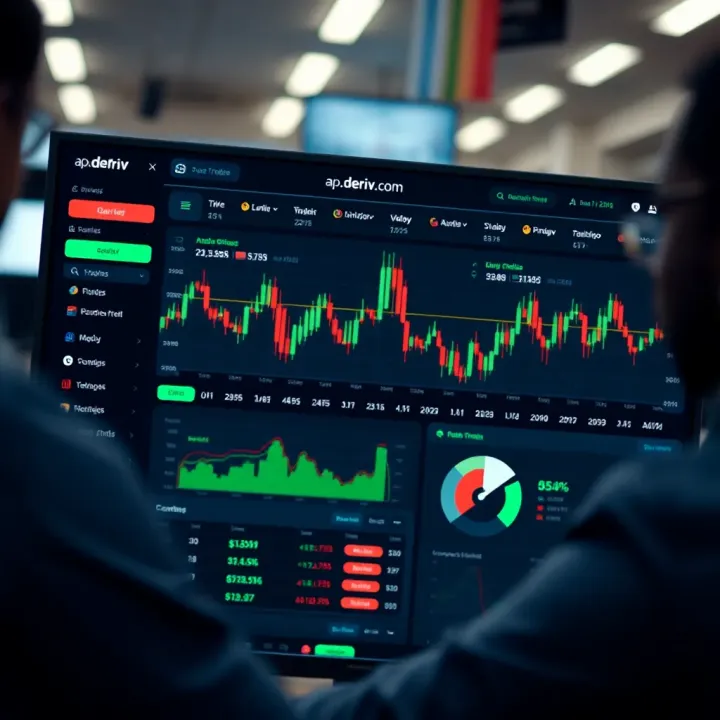
Explore app.deriv.com 📈— your go-to for online trading in Nigeria 🇳🇬. Learn setup, assets, security, funding 💳, and get expert tips for smart trades!
Based on 14 reviews