
Understanding the Volatility Index in Financial Markets
📊 Learn how the Volatility Index impacts Nigerian financial markets, guiding investors and traders in managing risks and spotting opportunities with confidence.
Edited By
Thomas Grant
Smart trading means making decisions based on real facts and careful planning rather than guesswork or rush. In Nigeria’s financial markets, this approach matters a lot because of the unique challenges traders face — from naira volatility, changing government policies, to unreliable power supply that can affect trading platforms.
To trade wisely here, you must first understand the market environment. The Nigerian Stock Exchange (NGX) and forex markets operate differently than major global exchanges. Many investors jump in hoping to catch quick profits but end up losing due to poor risk management. Smart trading is about avoiding such pitfalls through informed choices.
A key part of smart trading is strategy. For example, using technical analysis tools like Moving Averages or Relative Strength Index (RSI) can help you spot trends in NGX stocks like Dangote Cement or MTN Nigeria shares. Equally, following fundamental factors such as quarterly earnings reports, government policy shifts, or oil prices can sharpen your judgement.
Besides data, managing risk is vital. That means setting stop-loss limits to protect your capital or diversifying investments rather than putting all your funds in one stock or forex pair. Let’s say you place ₦500,000 in forex trading; smart risk management might involve risking only 2-3% per trade to avoid wiping your account with one bad move.
Understanding market behaviour, combined with disciplined risk control, separates successful traders from those who lose money.
Also, technology is reshaping trading in Nigeria. Platforms like GTI Securities for stocks or Oanda for forex have made market access easier. Mobile apps provide real-time quotes and allow you to execute trades instantly, which you must use wisely and avoid impulsive decisions based on fleeting news.
To sum up, trading smartly here requires knowing the market landscape, using solid strategies and data, managing your risks properly, and embracing technology effectively. With these habits, you stand a better chance to grow your wealth steadily without falling into common traps Nigerian traders suffer from.
Smart trading starts with a clear grasp of what it means to trade wisely in Nigeria’s dynamic financial markets. It’s not just about making quick profits but understanding how to balance potential gains with risks, adopting strategies suited to local realities, and recognising the different instruments available for trading.
Balancing risk and reward is the cornerstone for any trader. In Nigerian markets, where volatility can be high due to factors like currency fluctuations or political events, traders must carefully weigh how much risk they are willing to take against possible gains. For example, investing in blue-chip stocks on the Nigerian Stock Exchange (NGX) might be less risky but offer moderate returns, whereas trading forex or cryptocurrencies might promise higher profits yet expose traders to significant loss if not managed carefully.
When it comes to the role of strategy and planning, smart trading requires research, clear goal-setting, and risk management before entering any market. Planning might involve studying price trends, setting stop-loss orders to cap losses, or even timing trades around Nigeria’s economic calendar—for instance, anticipating market movement during CBN policy announcements. Without a strategy, traders often fall prey to emotions, leading to rash decisions that can cost dearly.
The difference between smart and impulse trading lies in the decision-making process. Impulse trading often stems from excitement or panic, such as buying shares on a sudden tip or selling out of fear during a market dip. Smart trading involves patiently analysing data and trends before making moves. For instance, while hearing that a particular company is about to announce good earnings might tempt some to buy immediately, a smart trader waits for confirmation and assesses broader market conditions before acting.
Stock trading on NGX is the most traditional form of trading in Nigeria. It involves buying shares of listed companies like Dangote Cement or Zenith Bank, expecting their value to rise or to earn dividends. For many Nigerians, stock trading represents a way to build long-term wealth, but it requires understanding company performance, market liquidity, and regulatory updates that can impact prices.
Forex trading and currency risks attract many Nigerian traders due to the naira’s instability against major currencies like the dollar or euro. While forex trading offers opportunities to profit from currency movements, it also carries high risk. For example, sudden Central Bank of Nigeria (CBN) policies or foreign exchange shortages can cause rapid swings, so traders must monitor economic indicators and political developments closely to manage those risks.
Cryptocurrency and its growing presence marks a newer but rapidly expanding area. Platforms like Binance and Luno have many Nigerian users trading Bitcoin, Ethereum, and local tokens. The appeal lies in 24/7 market access and decentralised finance, but the market’s unpredictable nature, regulatory uncertainty, and issues like internet connectivity create additional challenges. Still, with growing fintech solutions like OPay handling crypto payments, more Nigerians engage smartly by combining research and cautious investing.
Understanding these basics gives you a strong foundation to navigate Nigeria's unique market complexities confidently and make informed trading decisions.
Trading in Nigeria’s financial markets demands more than guesswork. Proper tools and techniques help you make logical decisions rather than relying on luck. Without them, even the best intentions may lead to losses, especially given the market's volatility and economic shifts we often experience here.
Technical analysis involves studying price charts and market data to forecast future price movements. Common chart patterns such as head and shoulders, double tops, and flags indicate potential reversals or continuations in market trends. For instance, recognising a double bottom on a stock listed on the Nigerian Stock Exchange (NGX) could signal a bullish trend, prompting you to consider entering a position.
Indicators like moving averages and the relative strength index (RSI) help clarify momentum or overbought conditions. When RSI climbs above 70, a forex trader might see this as a cue to prepare for a possible price drop.
Volume and price action are equally important. High trading volume during a price rise signals strong buyer interest, reinforcing the move’s validity. Conversely, if price increases without volume support, the trend might lack conviction, so caution is advisable. Nigerian traders watching forex pairs like USD/NGN often focus on these to confirm price moves amid rumours or news events.
Several apps have simplified access to technical analysis for Nigerian traders. NGX’s web and mobile app provide live charts and basic indicators. Forex platforms like MetaTrader 4 and 5, accessible locally, offer comprehensive chart tools. Meanwhile, apps like Investing.com offer real-time market data with charting capabilities suited for the local market environment.
Studying company financials remains key for Nigerian stock traders. Annual and quarterly earnings reports give insights into profitability, debts, and future prospects. For example, a well-capitalised company like Dangote Cement releasing strong earnings reports generally attracts investors, especially when backed by solid cash flow.
Economy-wide indicators such as inflation rate, GDP growth, and CBN’s monetary policy decisions heavily influence market sentiment. High inflation often pressures the naira and can erode stock gains, while policy rate hikes can increase borrowing costs, affecting company valuations.
Political developments and regulatory shifts impact markets markedly. Pending elections or new policies from the Securities and Exchange Commission (SEC Nigeria) can cause market jitters. Traders following these factors alongside fundamentals often avoid knee-jerk reactions and make better-timed investments.
Smart trading focuses on safeguarding your money. Setting stop-loss levels prevents excessive losses by automatically closing losing trades at set prices. Similarly, taking profits when targets are met secures gains before markets reverse, especially important for risky forex trades against the naira.
Position sizing is vital; allocating too much to one trade exposes your capital to unnecessary risk. Diversifying across sectors or asset classes, such as stocks, forex, or cryptocurrency, spreads risk and cushions against large losses from a single market movement.
Markets can play with emotions, tempting traders to make impulsive decisions during swings. Sticking to predetermined plans and avoiding panic selling or overtrading during Nigeria’s off-peak market sessions helps maintain discipline.
Good trading is like navigating Lagos traffic; without a plan, you just get stuck. Using sound tools and managing risks keep you moving even in heavy jams.
Employing these tools and techniques builds a strong foundation for smart trading, increasing your chances of consistent profits in Nigeria’s dynamic financial markets.
Trading on Nigerian markets offers many opportunities, but common pitfalls can swiftly drain your capital if you're not careful. Understanding these mistakes is vital for protecting your ₦ gains and building a sustainable trading habit. Below are some key errors Nigerian traders often fall into and practical advice on how to avoid them.
Overtrading means buying and selling too frequently without a well-thought-out plan. Many Nigerian traders, especially beginners, fall into this trap hoping to double or triple their money fast. However, excessive trading often leads to higher transaction costs, increased exposure to market noise, and poor decision-making under pressure. For example, chasing after quick forex profits during volatile naira-dollar swings without solid analysis can wipe out gains and rack up losses.
Patience is key in trading. Waiting for clear setups and sticking to your strategy helps avoid rash decisions. Nigerian traders should set clear daily or weekly trade limits and avoid the temptation to jump into every "hot tip" or trending stock. Disciplined risk management, such as setting stop-loss levels and not risking more than three per cent of your capital per trade, enforces emotional control that pays off in the long run.
Relying on hearsay or social media chatter is risky, especially in Nigeria, where market rumours about NGX-listed companies or forex can spread fast but often lack basis. Credible information comes from verified sources like company financial statements, reputable news outlets, and official economic reports by the Central Bank of Nigeria (CBN). Having access to authentic data sharpens your trading calls and guards against manipulation.
With many news sources in Nigeria, sifting through what is useful and what is noise requires critical thinking. Fast-moving local politics or embassy announcements might impact specific sectors temporarily but not warrant hasty trades. Use multiple trusted sources and cross-check facts before reacting. For instance, a sudden fuel subsidy change affects transportation stocks but may not influence banking shares immediately.
Many traders overlook keeping detailed records of their deals, missing chances to learn from past mistakes or replicate successes. Recording entries, exits, profits, losses, and reasons behind each trade creates a valuable history to refine your approach. In Nigeria, where market conditions fluctuate with economic and political news, reviewing past performance helps adapt strategies effectively.
A trading journal is more than a simple log. It should capture your emotions, market conditions, and lessons learned. Nigerian traders who note how they felt during volatile sessions or why they ignored a signal can identify behavioural biases that affect performance. Over time, disciplined journalling builds a personalised guidebook that sharpens decision-making amid Nigeria's dynamic financial markets.
Avoiding these typical mistakes provides a strong foundation for smart trading. With focus, discipline, and reliable information, Nigerian traders can navigate local markets more confidently, reducing unnecessary losses and seizing real opportunities for growth.
By addressing overtrading, prioritising credible research, and practising proper record-keeping, you become a smarter trader—ready for Nigeria’s evolving financial scene.
Technology has reshaped how Nigerians participate in financial markets, making trading more accessible, faster, and data-driven. Today, smart trading relies heavily on digital tools that offer real-time information, automation, and seamless execution. Without embracing these technological advances, traders risk missing timely opportunities or exposing themselves to unnecessary losses. The right apps and platforms also simplify complex markets, helping traders act decisively based on accurate data.
The Nigerian Exchange Group (NGX) provides official web and mobile platforms that bring market data, live prices, and trade execution to Nigerian investors’ fingertips. These apps allow users to track their portfolios, view the All-Share Index, and monitor company-specific information such as earnings and dividend announcements. For example, the NGX mobile app offers push notifications on market trends and alerts on price movements, making it easier to respond quickly.
Many Nigerians access forex markets through platforms like MetaTrader 4 and 5, as well as local brokers connected to global liquidity providers. These platforms support technical indicators, offer leverage, and facilitate transactions in multiple currencies. They also provide demo accounts, letting beginners practice without risking real money. Reliable execution and user-friendly interfaces help traders manage currency risks amid naira fluctuations and economic events.
Cryptocurrency trading in Nigeria has grown with exchanges such as Binance, Bundle Africa, and Luno serving as popular choices. These platforms provide easy wallet integration, enabling users to buy, sell, and store digital assets securely. Their mobile apps offer instant notifications on price changes and transaction confirmations. Given the volatility of cryptocurrencies like Bitcoin and Ethereum, having quick access through these apps assists traders in taking timely positions while keeping their funds safe.
Trading bots automate buying or selling decisions based on predefined rules, reducing the need for constant monitoring. For busy Nigerian traders juggling daily workloads, bots can capture swift market moves and execute orders at the right time. However, bots carry risks if set incorrectly; a minor coding error or unexpected market behaviour might trigger losses rapidly. Overreliance on bots without understanding underlying market conditions often leads to poor outcomes.
Opt for established automation providers with transparent performance records and responsive customer support. Nigerian traders should ensure compliance with local regulations and verify platform security features before trusting automation with real funds. Services integrated within popular platforms like MetaTrader or reputable crypto exchanges reduce risks compared to standalone bot sellers. Always start with minimal investment when testing bots and remain vigilant.
Up-to-date information is essential in fast-moving markets. Nigerian traders rely on sources such as BusinessDay, Nairametrics, and Vanguard alongside international outlets like Bloomberg and Reuters. These provide data on company announcements, macroeconomic releases, and geopolitical events that impact prices. Mobile apps and websites consolidate these news feeds, allowing traders to scan relevant headlines quickly.
Smart traders use data feeds in combination with technical and fundamental analysis tools for informed decisions. For example, a sudden announcement by the CBN on interest rates can alter forex and stock market directions. Being plugged into these streams through trade platforms or apps helps Nigerian traders adjust stop-loss levels or enter new trades promptly. Integrating news and price data into a single workflow reduces delays and sharpens reaction times.
Technology is no longer a luxury but a necessity in Nigeria’s financial markets. Using it wisely means staying ahead in volatile conditions and guarding your capital against unexpected shocks.
Developing consistent trading habits is key to lasting success in Nigeria's financial markets. Smart trading isn't just about quick wins but building a foundation that withstands market fluctuations over time. This involves continuous learning, realistic goal-setting, and building connections with other traders to sharpen your skills and decision-making.
Following expert analysis and market trends keeps you updated on shifts that affect Nigerian stocks, forex pairs, or cryptocurrencies. For example, regularly checking market commentary from respected analysts on platforms like NGX or trusted financial blogs can reveal insights about regulatory changes or economic shifts impacting your holdings. This ongoing learning helps avoid knee-jerk reactions based on rumours, a common pitfall.
Taking advantage of local trading courses and webinars provides structured knowledge tailored to Nigeria's unique market realities. Organisations such as the Nigerian Stock Exchange and reputable wealth management firms occasionally offer training sessions. Attending these sharpens your understanding of technical analysis, risk management, and local economic factors, boosting your confidence to trade wisely.
Balancing short-term and long-term objectives keeps your trading strategy grounded. Short-term trades can provide immediate cash flow, but smart traders recognise that compounding gains over months or years builds true wealth. Setting achievable targets—for instance, a 5% monthly return on a diversified portfolio—prevents frustration and rash decisions driven by unrealistic hopes of overnight riches.
Keeping emotions in check during market ups and downs protects your capital from impulsive trades. Nigerian markets can swing drastically due to political events or economic data. Emotional decisions often lead to losses. Developing discipline—such as sticking to stop-loss orders or reviewing trades objectively—helps maintain peace of mind and stable results.
Smart trading demands patience and steady growth instead of chasing fast profits.
Joining online communities and forums opens routes to fresh perspectives and timely market updates. Platforms like Nairametrics discussion boards or focused WhatsApp groups allow traders from Lagos, Abuja, Kano, and beyond to exchange tips and discuss trends. Being part of such communities sharpens your awareness and technical know-how.
Learning from peers’ experiences reveals practical lessons that textbooks cannot teach. For example, hearing how others navigated the naira depreciation or adjusted to CBN's monetary policies can guide your strategy. Sharing successes and setbacks fosters collective improvement, so lean on community wisdom to complement your own research.
Building smart trading habits tailored to Nigerian markets equips you to handle uncertainties and grow sustainably. Stay curious, set practical goals, and connect with fellow traders to turn knowledge into profit over the long haul.
📊 Learn how the Volatility Index impacts Nigerian financial markets, guiding investors and traders in managing risks and spotting opportunities with confidence.
Discover how to pick the best trading platform in Nigeria 🇳🇬. Learn about key features, costs, security & regulations to trade with confidence 💹📊.
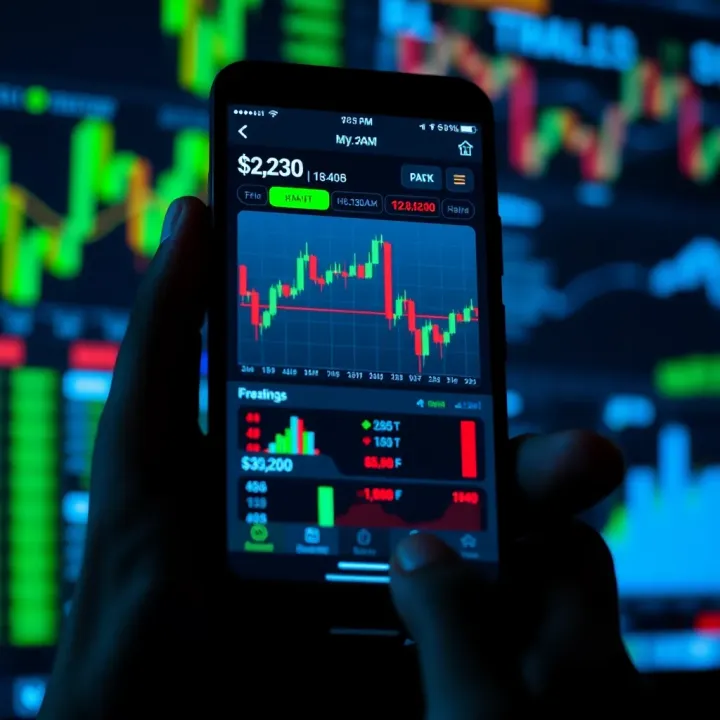
Discover how to pick the best trading app in Nigeria 🇳🇬 to earn money 💰. Learn tips, popular apps, risk management, and ways to boost your trading success 📈.
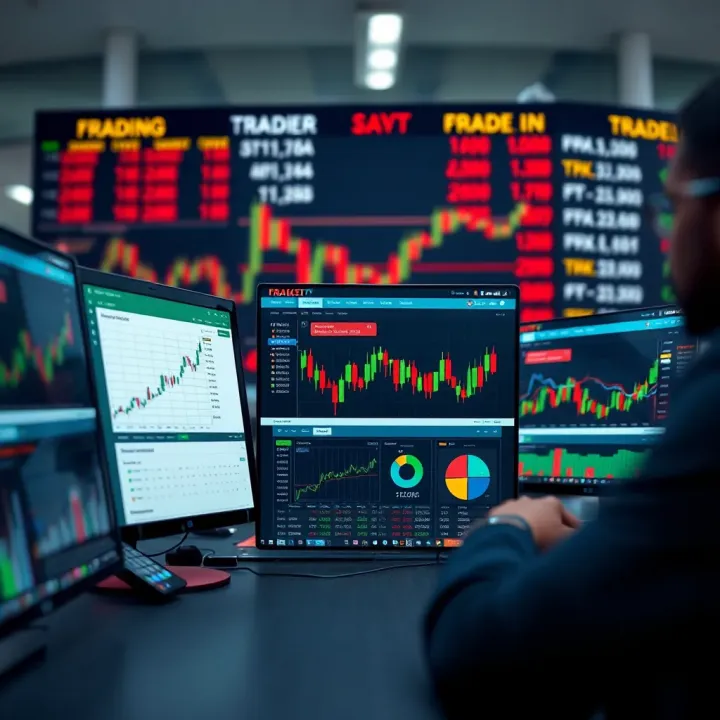
Discover how to pick the best trading broker in Nigeria! Learn about key features, regulations, costs, and top broker options to fit your trading needs 📈🇳🇬
Based on 10 reviews