
Forex Trading Sessions in Nigerian Time Explained
📊 Learn how global forex sessions match Nigerian WAT time ⏰ to spot high liquidity and volatility. Maximise your trading strategy and know when the markets heat up! 💹
Edited By
Emma Caldwell
Forex trading moves around the clock, but not every hour counts the same—especially if you’re trading from Nigeria. The forex market runs in sessions based on major financial centres worldwide, each with distinct timings and market behaviours. Knowing these sessions in Nigerian local time (West Africa Time, WAT) helps traders optimise strategies, time entries better, and avoid unnecessary risks.
Nigeria operates on WAT, which is UTC +1. This means you need to adjust trading session hours from global time zones to fit your local schedule. Forex sessions mainly divide into four: Sydney, Tokyo, London, and New York. Each session overlaps with others at times, offering periods of high liquidity and volatility—prime moments for traders seeking better price movements.
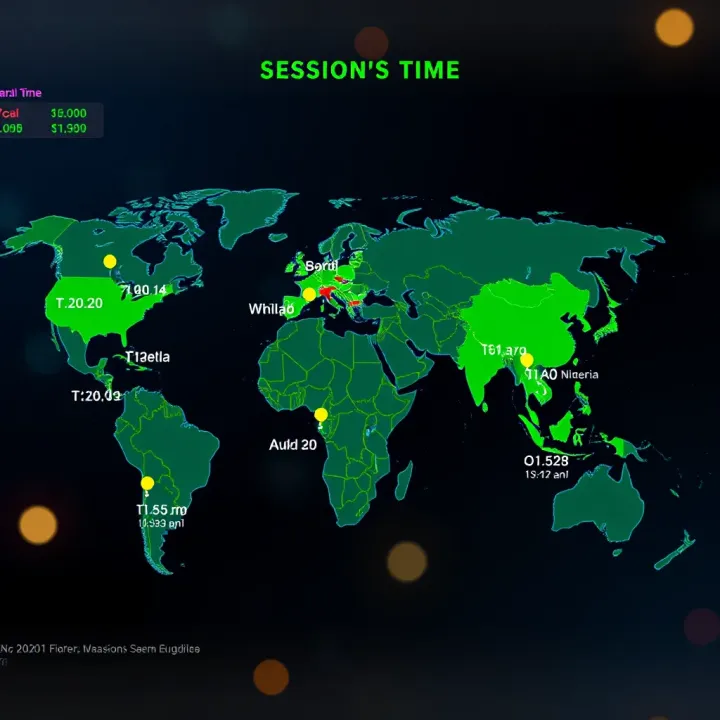
For example, the London session opens at 8 am WAT and closes by 4 pm WAT, while the New York session starts at 1 pm WAT and runs until 9 pm. The overlap between London and New York sessions, between 1 pm and 4 pm WAT, often records the highest trading volumes. Nigerian traders who tap into this window typically find more trading opportunities due to greater market participation.
Understanding these windows is more than just knowing when markets open and close. Each session tends to highlight certain currency pairs more than others. The Tokyo session, for instance, is active in Asian currencies like JPY, while the London session favours GBP, EUR, and other European currencies. Meanwhile, New York focuses on USD pairs.
Wise traders plan their moves around session overlaps to maximise chances of profit while managing volatility and spread costs effectively.
To help you make headway:
Note key session hours in WAT for regular monitoring.
Focus trades during overlaps, especially London–New York, for sharper price movements.
Adapt your strategy to session-specific behaviours and popular currencies.
By aligning your trading calendar with Nigerian time, you’ll gain practical control of your activities and reduce guesswork. This knowledge turns trading from a guessing game to an informed approach, essential for success in Nigeria’s growing forex ecosystem.
Knowing forex trading sessions is key to navigating the currency market efficiently. Since forex operates 24 hours, split across different time zones, understanding when each session opens and closes helps traders identify periods of high activity and favourable trading conditions. This is particularly useful for Nigerian traders who need to tune their strategies to Nigerian time (West Africa Time, WAT).
Forex sessions mark the hours when major financial centres are open for business. These sessions influence currency price movements through varying liquidity and volatility. For example, trading during London hours tends to be busier because it's one of the world's biggest financial hubs. Recognising these patterns lets traders avoid low-activity hours where spreads widen and profits get harder.
Forex trading sessions are blocks of time during the day when major markets around the world are open for currency trading. They exist because of the global nature of forex, which runs across different countries and time zones. Breaking the 24-hour clock into sessions helps traders understand market behaviour better and plan their trades accordingly.
Each session aligns with a city's business hours, during which banks, financial institutions, and traders are active. This activity results in liquidity—the ease with which currencies can be bought or sold. Times when a session opens or overlaps with another are often when traders see sharp movements and good opportunities.
Major markets that define these sessions include Tokyo (Asian session), London (European session), New York (North American session), and Sydney (Pacific session). These centres set the pace for their respective time blocks. For instance, the London session usually sees significant volume as it overlaps with both the Asian and New York sessions, causing spikes in market movement.
Understanding when forex markets operate impacts liquidity and volatility directly. Liquidity refers to how much cash or currency is flowing in the market. During active sessions like London or New York, liquidity peaks, reducing spreads and allowing for smoother trades. Conversely, the quiet hours often lead to slippage and more erratic price actions. For a Nigerian trader, knowing when these peaks happen avoids wasting time in flat markets and controls trading risks.
Timing trades well improves decision-making and increases chances of profit. If you trade during off-peak periods, you might find the market stagnant, making it harder for your trading signals to play out. By contrast, capitalising on overlaps—for instance, during the London-New York overlap between 2 pm and 4 pm WAT—offers bigger moves and tighter spreads. Such windows are gold mines for day traders and scalpers focusing on short-term gains.
In practice, Nigeria's 1 pm to 9 pm window covers all major European and North American sessions, making it the most promising time for active trading.
By aligning trading schedules with these sessions, traders can maximise returns and reduce unnecessary exposure during slow market phases. Using session knowledge as a tool ensures trading actions are not by guesswork but by calculated timing.
Forex trading operates through four primary sessions spread across global financial hubs. Knowing these sessions in Nigerian time (WAT) helps traders slot their activities into periods of higher liquidity and volatility, which is vital for making timely decisions and avoiding market traps. Each session has unique characteristics influenced by the active market participants and regional economic news releases.
Nigerian time conversion: The Tokyo trading session runs roughly from 2 am to 11 am Nigerian time. This means many Nigerian traders who prefer early morning trading must be ready to act before their day fully begins.
Market behaviour and news impact: The Asian session offers lower overall volatility compared to later sessions but is crucial for trading currencies like the Japanese yen (JPY) and other Asian currencies. News events from Japan and China released during this time often move these pairs. For example, if the Bank of Japan announces a policy change around 3 am WAT, yen pairs can experience bursts of activity.
Nigerian time conversion: The London session starts at 8 am and runs to about 5 pm in Nigerian time. This session aligns almost perfectly with Nigerian business hours, making it accessible to local traders without disturbance.
Trade volume and volatility characteristics: London is the busiest forex market, contributing roughly 30% of global forex volume. High liquidity during these hours results in tighter spreads and noticeable price movements. Volatility typically spikes at session open, especially for EUR, GBP, and CHF pairs. Nigerian traders often find this period suitable for scalping or short-term trades.
Nigerian time conversion: New York’s trading hours fall between 1 pm and 10 pm WAT. This overlaps with the latter part of the London session, creating prime overlap periods.
Key currency pairs affected: The US dollar (USD) dominates during this session, with high activity in USD-related pairs such as USD/NGN, EUR/USD, and GBP/USD. Economic indicators like US non-farm payrolls, released at 2:30 pm WAT, frequently move the market sharply, demanding alertness from Nigerian traders.
Nigerian time conversion: The Sydney session is the earliest, beginning around 10 pm and ending at 7 am WAT. While it overlaps slightly with the Tokyo session, Sydney’s market activity is generally quieter.
Typical market activity during this session: This session predominantly sees activity in the AUD and NZD pairs since the region covers Australia and New Zealand. News releases from these countries at odd Nigerian hours can influence price, but market moves tend to be subdued compared to London or New York.
Understanding these sessions in Nigerian time lets you choose when to trade based on strategies and personal routine, making your forex trading sharper and more profitable.
Asian (Tokyo): 2 am – 11 am
European (London): 8 am – 5 pm
North American (New York): 1 pm – 10 pm
Pacific (Sydney): 10 pm – 7 am
Organising your trades around these times helps you catch key market moves while avoiding low-liquidity periods that increase trading risks.
Session overlaps occur when two major forex trading sessions are open at the same time, causing increased market activity. This period often triggers high trading volumes because traders from different parts of the world participate simultaneously, pushing liquidity and price movements. For Nigerian traders, understanding these overlaps is vital since the increased activity can create more opportunities for profit and better trade execution.
One practical reason why session overlaps generate higher volumes is the convergence of market participants. For instance, when the London and New York sessions overlap, both European and American traders are active, leading to a surge in transaction activities. This often results in sharper price moves and narrower spreads, which Nigerian traders can exploit.
Examples of key overlap periods relevant to Nigerian time are the London-New York and Tokyo-London overlaps. The London-New York overlap spans roughly from 2 pm to 5 pm WAT (West Africa Time), coinciding with peak trade volumes globally. Similarly, the Tokyo-London overlap happens from around 8 am to 9 am WAT, but this period is generally less active than the former. Knowing these timings allows Nigerian traders to plan entries and exits around peak market action.
To optimise trading strategies, Nigerian traders should focus on overlaps because these windows often bring better liquidity and volatility—two factors that enhance trade potential. Trading during overlaps reduces slippage and improves order fills, especially when using market orders. For example, a trader interested in EUR/USD or GBP/USD pairs tends to benefit from the London-New York overlap when these pairs see heavy action.
Nigerian traders should particularly watch major currency pairs linked to the regions involved in the overlaps. During the London-New York overlap, currency pairs like EUR/USD, GBP/USD, and USD/JPY experience heightened volatility and clearer trends. Conversely, the Tokyo-London overlap sees more activity in pairs like USD/JPY and AUD/USD. By focusing on these currencies during the overlaps, traders can align with market momentum and enhance profitability.
Remember, timing trades around session overlaps does not guarantee success but helps create conditions favourable for active trading and better price discovery.
Targeting session overlaps in Nigerian time provides a tactical edge, especially when combined with sound risk management and awareness of global economic news that may break during these periods.
Timing is key in forex trading, especially in Nigeria where local business hours and trading sessions across the globe overlap differently. Successful traders here must not only understand when major forex markets open and close but also how to fit these periods into their daily routines. This helps avoid missed opportunities and unnecessary stress.
Balancing a day job with forex trading can be tricky for most Nigerians. Many traders hold regular 9-to-5 jobs or run small businesses, limiting their availability during peak market hours like the London-New York overlaps. The solution lies in identifying and focusing on trading windows that best fit around these commitments. For instance, an Abuja-based trader might concentrate on the London session's start between 9 am and 12 pm WAT before heading to work, or catch the New York session overlap in the afternoon if free.
This approach reduces burnout and keeps the trader alert during active periods. Instead of trying to trade every hour, it pays to concentrate on key market hours that align reasonably with personal schedules. This also allows for better preparation and risk management, resulting in more consistent outcomes.
Key hours for active trading in Nigeria tend to centre on the overlaps between major sessions — especially the London-New York period from 2 pm to 6 pm WAT. Liquidity spikes and volatility increase during these hours, creating more trading signals and potential profits. However, the Tokyo-London overlap between 3 pm and 4 pm WAT can still offer good opportunities, particularly for Asian currency pairs.
Traders should prioritise hours where volume is highest for their preferred currencies and avoid thinner markets that can lead to erratic price movements. Focusing on these pockets rather than trading randomly helps maintain discipline and efficiency.
Nigerian traders are lucky to have access to several apps and platforms that simplify monitoring forex sessions. MetaTrader 4 and MetaTrader 5 remain popular choices, offering live market data, session alerts, and the ability to automate trades. Investing in reliable apps like TradingView or investing in fintech tools that reflect Nigerian time makes staying updated easier.
News platforms such as Bloomberg, Reuters, or Nigeria’s Bloomberg Terminal feed via mobile apps also assist traders in tracking economic events impacting forex pairs. Mobile apps from Nigerian banks often provide transaction updates, which help link forex trading activities with personal finances.
Setting alerts in Nigerian time is vital for capturing the most lucrative market moves. Most platforms allow you to customise notification times to WAT. For example, setting an alert 15 minutes before the London session opens at 8 am WAT ensures you don’t miss the initial price swings. Similarly, alerts during high-impact news releases like CBN announcements or US Federal Reserve speeches help traders prepare for volatility.
Staying on top of global market times and tying them efficiently to your Nigerian schedule sharpens your edge and reduces reaction delays, both critical to successful forex trading.
In summary, managing trading hours around your lifestyle and using technology to stay informed transforms forex trading from guesswork to a well-planned activity that fits smoothly into your daily rhythm.
Getting your timing right isn’t just about following the clock—it’s about adapting trading strategies to local realities. Nigerian traders juggling day jobs or other commitments must align trading hours with personal schedules. Using mobile apps that display forex session times in WAT and send real-time alerts can give you an edge without having to sit glued to your screen all day.
There are four main forex trading sessions you need to know: the Asian (Tokyo), European (London), North American (New York), and Pacific (Sydney) sessions. Converted to Nigerian time (WAT), these roughly fall as follows:
Sydney Session: 9 pm to 6 am WAT
Tokyo Session: 12 am to 9 am WAT
London Session: 8 am to 5 pm WAT
New York Session: 1 pm to 10 pm WAT
Among these, the London and New York sessions command the most action for Nigerian traders, especially during their overlap between 2 pm and 5 pm WAT, which offers the highest liquidity and volatility. The Asian session, particularly Tokyo, tends to be quieter but can be useful if you are trading yen or exploring early market trends.
To maximise your forex trading potential in Nigeria, consider the following:
Focus on Overlaps: Plan your active trading around the London-New York overlap when market activity spikes, increasing your chances to spot good entry and exit points.
Stay Updated on Market News: Important economic releases during these sessions can send shockwaves through currency pairs. Use reliable news sources and calendar apps that show release times converted to Nigerian time.
Manage Your Schedule: If you have a 9-to-5 job, aim for early morning trading during the Asian session or evening trades during the New York session. Balance is key to avoid burnout.
Use Technology Wisely: Employ trading platforms and alert systems that account for Nigerian time zones to help you monitor sessions without confusion.
Mastering forex trading times is not about following the crowd blindly but understanding when the market breathes, when it rests, and how you, as a Nigerian trader, can position yourself to make the most of these rhythms.
Mastering forex trading times in Nigeria is the practical step to elevate your trading from guesswork to informed action. With the right timing, tools, and mindset, you’ll be better suited to navigate the ups and downs of the forex market with confidence and precision.
📊 Learn how global forex sessions match Nigerian WAT time ⏰ to spot high liquidity and volatility. Maximise your trading strategy and know when the markets heat up! 💹
Discover practical tips on forex trading in Nigeria 🇳🇬, including key regulations, common challenges, and how technology is shaping ₦trading for local traders.
🌍 Ready to start forex trading in Nigeria? Learn how to pick trusted brokers, avoid scams, handle ₦ risks, and follow CBN rules for safe profits. 📈
Discover key benefits of forex trading in Nigeria 🇳🇬: easy market access, high liquidity, flexible hours, profit potential, and smart risk management options 📈💰
Based on 15 reviews