
Understanding Margin for Nigerian Investors
Learn about margin in trading and business, including types, risks, and tips for Nigerian investors to make smart financial choices 📈💼🇳🇬
Edited By
Isabella Clarke
Trading signals are practical tools used by investors and traders to identify good times to buy or sell assets in financial markets. Whether you're dealing with stocks listed on the Nigerian Exchange (NGX), forex pairs involving the naira, or even cryptocurrencies like Bitcoin, understanding trading signals can sharpen your decision-making.
These signals come from analysing price trends, market volumes, or other technical data. For example, when a stock’s price crosses above its moving average, it might generate a "buy" signal, suggesting the asset could be about to rise. Conversely, if it falls below, this could mean it's time to sell.
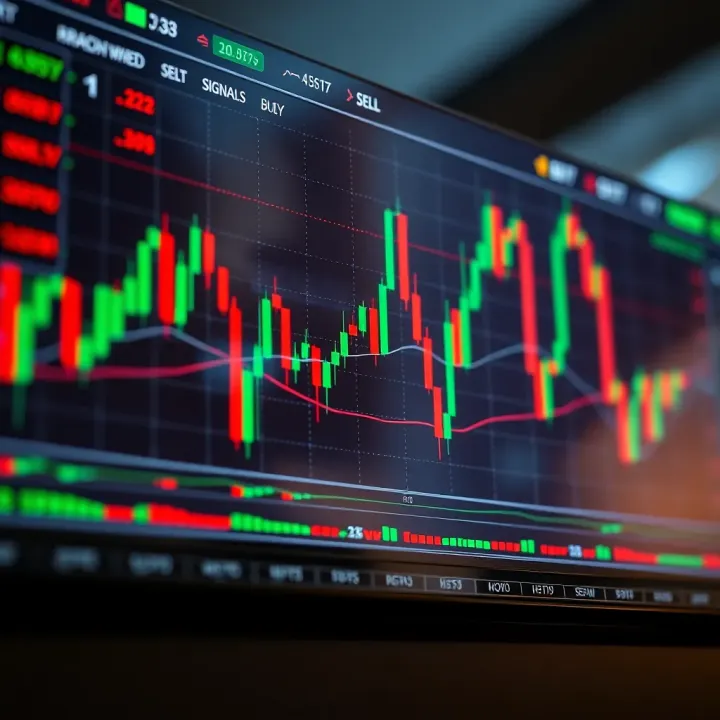
Trading signals are like traffic lights on the road of investment. They guide you when to slow down, speed up, or stop and think.
Technical signals: Based on chart patterns, indicators like RSI or MACD, or trend lines.
Fundamental signals: Derived from company earnings reports, economic data, or monetary policy shifts like changes from the Central Bank of Nigeria (CBN).
Sentiment signals: Capturing market mood through news flow or trader behaviour.
Each type has its merits and limits. For example, technical signals quickly react to price changes but may produce false alarms in a volatile market like Nigeria's, where external factors such as fuel scarcity or political announcements can sway prices.
Using signals helps reduce guesswork. Instead of relying on gut feeling alone, signals give you data-backed reasons to enter or exit trades. Nigerian traders often combine signals with local knowledge — for instance, observing how power outages or foreign exchange fluctuations affect certain stocks.
However, signals are not foolproof. They work best when integrated into a wider strategy that considers risk management, current market news, and personal investment goals.
In the next sections, we'll unpack how to interpret these signals accurately and use them effectively, so you avoid common mistakes and make the most of your trading activities in Nigeria’s unique environment.
Trading signals act as alerts or indications showing when to buy or sell assets such as stocks, forex, or commodities. They help traders make timely decisions based on evolving market conditions rather than guesswork. In Nigeria's fast-changing market, clear signals can mean the difference between profit and loss.
Simply put, trading signals are specific pieces of information or patterns derived from market data that suggest potential price movements. These can come from technical indicators, fundamental factors, or market sentiment. For example, a moving average crossover on the Nigerian Stock Exchange (NGX) could signal a good time to buy a stock like MTN Nigeria.
Signals provide a practical approach to trading by reducing uncertainty. When a signal indicates a buy, a trader can enter the market with more confidence, while a sell signal suggests taking profit or cutting losses. Rather than relying on gut feeling, traders can use these signals alongside risk management strategies to enhance returns. For instance, if a signal from economic data shows rising inflation in Nigeria, traders might adjust their portfolio by favouring commodities that typically perform well during inflationary periods.
Nigeria’s market has unique challenges such as volatility due to oil price swings, regulatory changes, and naira fluctuations. Trading signals help navigate these complexities by offering structured insights. Local factors, like periodic fuel subsidy removals or government policy announcements, often trigger sharp market moves. Traders tuned into relevant signals can protect their investments or seize opportunities fast. Furthermore, with many Nigerian retail traders using mobile apps like Kuda or OPay for signal alerts, understanding and applying these signals efficiently becomes essential to succeed in this environment.
Relying on well-understood trading signals can shield you from impulsive decisions and costly mistakes, especially in Nigeria's dynamic market.
In summary, trading signals equip you with actionable information to make informed decisions, manage risks, and adapt to Nigeria’s distinct financial landscape effectively.
Understanding different types of trading signals helps traders interpret market data and make smarter decisions. Each signal type offers specific insights, whether it’s price trends, company health, or market mood. Knowing when to trust technical indicators or fundamental facts can improve your chances of spotting profitable opportunities in Nigeria's volatile markets.
Moving averages smooth out price data to reveal trends. They calculate the average price over a set period, like 20 or 50 days, helping you spot momentum and support or resistance levels. For example, if the 50-day moving average crosses above the 200-day moving average—a "golden cross"—it often signals a bullish trend, which many Nigerian traders watch when considering stocks on the NGX.
RSI measures the speed and change of price movements to determine if an asset is overbought or oversold. Values above 70 suggest overbought conditions, implying a possible price drop soon; values below 30 indicate oversold, often followed by a price rise. Nigerian investors in forex or commodities markets often use RSI to time entries or exits amid fluctuating prices caused by economic news.
The Moving Average Convergence Divergence (MACD) compares two moving averages to reveal momentum shifts. When the MACD line crosses above the signal line, it can suggest an upward trend, and vice versa. Traders on platforms like the Nigerian Stock Exchange often rely on MACD to confirm trends before buying sectors like banking or consumer goods.
Earnings reports show a company’s profitability over a period and are key for assessing stock value. For instance, Nigerian banks releasing strong quarterly earnings amidst economic challenges can boost investor confidence, driving share prices up. Monitoring these reports helps traders decide if a stock is undervalued or overpriced.
Data like Nigeria’s inflation rate, GDP growth, or unemployment figures affect market sentiment and price movements. High inflation may erode returns, while strong GDP growth can lift investor optimism. Traders watching these indicators can anticipate market shifts, especially in sectors sensitive to economic changes such as agriculture and oil.
Significant news—eg policy changes, elections, or oil supply disruptions—can trigger swift market reactions. Nigerian traders keep a close eye on announcements from the Central Bank of Nigeria or FIRS changes, as these can cause price volatility. Reacting fast to relevant news signals can mean the difference between profit and loss.
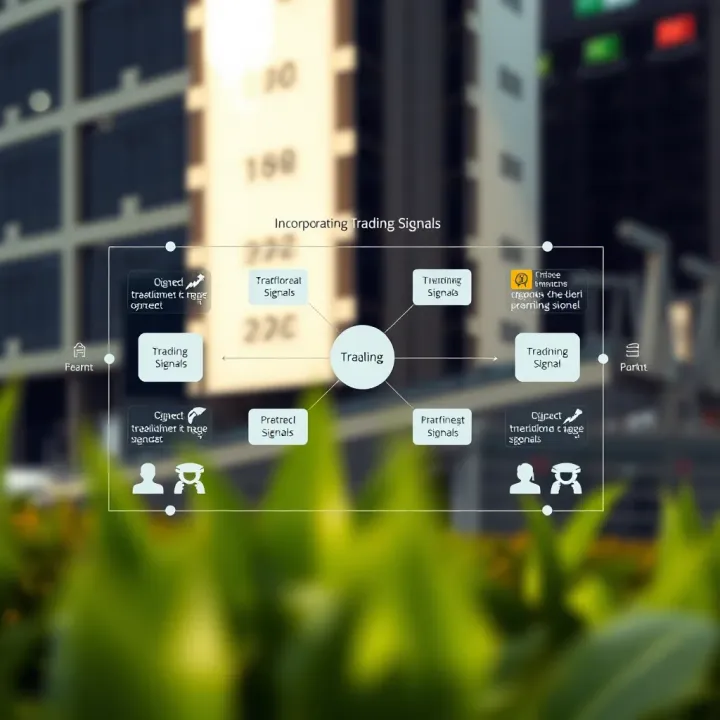
These surveys gauge how investors feel about market conditions. Positive sentiment may signal rising prices, while fear can precede sell-offs. Nigerian financial analysts use sentiment data to predict short-term movements, combining it with other signals for better timing.
Social media platforms have become important for tracking public interest or buzz around stocks or sectors. For example, increased chatter about a fintech company on Twitter or forums can hint at upcoming price moves. Nigerian traders sometimes rely on these trends to spot emerging opportunities before formal reports arrive.
Successful traders combine technical, fundamental, and sentiment signals to create a fuller picture, especially in Nigeria’s dynamic market environment.
Understanding how trading signals are generated and delivered is vital for Nigerian traders aiming to make smarter decisions. These signals act as guides derived either from human expertise or automated systems, and they reach traders through various platforms designed to suit Nigeria's unique market environment. Knowing the source and delivery method helps in assessing the reliability and timeliness of signals, which can significantly affect trading outcomes.
Manual signals come from seasoned analysts who study market trends, company reports, and news events. These experts often combine technical and fundamental analysis to offer insights tailored for specific markets like Nigeria's stock exchange or forex scene. For example, an analyst might notice unusual activity in an oil and gas stock following a new government policy and issue a buy or sell signal based on their experience and research. The strength of manual signals lies in the analyst's ability to incorporate local context and qualitative factors, which pure algorithms might miss.
Automated signals are generated by computer algorithms analysing huge sets of data in real time. These algorithms use methods like moving averages, RSI (Relative Strength Index), and MACD (Moving Average Convergence Divergence) indicators to identify entry and exit points. In Nigeria, some fintech firms have incorporated automated trading bots that can scan market data on the NGX or commodities market and generate instant alerts. While faster and devoid of emotional bias, automated signals need careful monitoring since they don’t always account for sudden local disruptions such as power outages or political events.
Mobile apps have become a popular way to receive trading signals because they offer real-time updates directly to your phone. Nigerian traders often use apps from platforms like Kuda, Cowrywise, and OPay, which combine payment services with investment tips and signals. The convenience of mobile apps means traders can act quickly, whether they are commuting in a danfo or at home. Push notifications ensure that signals are not missed even during busy schedules.
WhatsApp groups serve as informal but effective channels for sharing trading signals in Nigeria. Traders and analysts create groups where they send updates, chat about market movements, and share links to charts. This peer-to-peer exchange provides a practical way to gain insights tailored to Nigerian markets, especially for those without access to premium platforms. However, the reliability varies widely, and traders need to vet group admins carefully to avoid scams.
Email remains an important method of delivering detailed trading signals and analysis reports, often from brokers or financial newsletters. Nigerian investors who prefer comprehensive data and explanations find email alerts useful, as they can review the outlook and strategy at their own pace. Services that send well-researched signals by email combine the advantages of timing and depth, although emails may not be as instantaneous as app notifications or WhatsApp messages.
Several Nigerian and international trading websites offer free or paid signals that traders can check anytime. Websites often provide charts, market news, and historical performance stats to back their signals. For instance, platforms focusing on the NGX All-Share Index or oil sector stocks provide contextual data that Nigerian traders can use to validate signals before acting. Regular visits to these sites support informed decisions, but the key is consistent monitoring alongside other signal delivery methods.
Effective use of trading signals depends as much on the source and delivery method as on the signal itself. For Nigerian traders, blending expert advice with automated insights and choosing convenient platforms ensures no opportunity is missed amid the market's daily twists.
Trading signals can be powerful tools for traders and investors, but using them wisely is what really determines success. Signals give you clues about when to buy or sell assets, but relying on them blindly can lead to costly mistakes. This section guides you on evaluating signal quality, integrating them into your trading strategy, and avoiding common traps.
Knowing how a trading signal has performed over time helps you judge its usefulness. A signal with a proven history of accurate predictions over different market conditions is generally more trustworthy. For instance, if a technical indicator of stock movement shows consistent profit-making potential on the Nigerian Exchange (NGX) over the past year, you can be more confident in following it.
That said, past success does not guarantee future results. Some signals perform well in stable markets but fail during high volatility, like during Nigeria's frequent ember months when market patterns shift unpredictably.
Where a signal comes from matters. Signals generated by expert analysts or trusted fintech firms like Kuda or Cowrywise usually carry more weight than random WhatsApp groups. Nigerian traders should verify who runs the signal service and their background in the market.
Beware of sources that focus solely on hype without solid analysis. Credible providers often show detailed reasoning behind signals and back their claims with data from NGX or global economic news.
Using signals without managing risk can wipe out your portfolio quickly. Set clear limits on how much you're willing to lose per trade. For example, if a signal suggests buying certain shares, decide beforehand the maximum loss you can tolerate, maybe 2-3% of your trading capital.
Effective risk management ensures no single signal damages your overall portfolio, especially important in the Nigerian market where currency fluctuations and power supply issues can add uncertainty.
Not all signals require equal investment size. Position sizing means adjusting the amount you invest based on confidence in the signal and your risk tolerance. If a signal is strong and from a reliable source, you may allocate a larger portion of your capital.
For instance, you might put ₦200,000 in a stock indicated by multiple confirming signals but only ₦50,000 where confidence is lower. This approach helps balance potential gains and losses.
Don’t put all your eggs in one basket, even with good signals. Diversify across different sectors or asset classes to reduce risk. If trading signals highlight opportunities in the oil and gas sector, consider also signals from the banking or consumer goods sectors on NGX.
Diversification protects you from sector-specific shocks and the unique risks Nigerian markets face, like government policy changes affecting fuel subsidies or import duties.
Relying entirely on signals without applying your own judgment is risky. Markets can shift swiftly, and signals might lag or mislead. Experienced traders use signals as guides, not gospel.
For example, during sudden geopolitical tensions, a typical signal for buying a stock might turn irrelevant. Being alert to wider market news alongside signals improves decisions.
Signals generated in stable markets may fail under changing circumstances. Nigerian traders must consider macroeconomic factors like CBN monetary policies, naira fluctuations, or political events when using signals.
Ignoring such context may lead to losses. Always cross-check signal recommendations against current market realities.
The rise of signal services has attracted fraudsters promising guaranteed profits. Be wary of signal providers asking for large upfront fees or guaranteeing fixed returns.
Always request past performance evidence, seek reviews from other Nigerian traders, and avoid signals that seem too good to be true. Collaboration with regulated platforms like SEC-registered brokers offers some protection.
Good trading signals can be valuable guides but require wise evaluation and application. Combining solid research, risk control, and local market awareness will improve your trading outcomes.
Understanding trading signals becomes more meaningful when grounded in real Nigerian market examples. These examples show how signals work practically, especially with the challenges unique to Nigeria’s financial environment such as currency volatility, low liquidity on some stocks, and intermittent market information. Traders gain confidence when they see how specific signals impacted actual trades or investment decisions. This also helps to appreciate the limitations and risks tied to signals in local markets.
The Nigerian Exchange Group (NGX) provides a wealth of data that can generate trading signals for equity investors. Price movements, trading volumes, and pattern recognitions from NGX market data enable traders to detect momentum shifts or potential price reversals. For instance, sudden spikes in volume on a stock like Dangote Cement or MTN Nigeria often signal increased interest and can precede price jumps or drops.
Technical indicators derived from NGX data, such as moving averages or RSI, are frequently relied upon to confirm trends. Crucially, traders who monitor NGX data live on platforms like Investing.com Nigeria or NGX’s own website get early warning signs useful for day trading or short-term positions. However, the relatively thin trading volume in some local stocks means signals from NGX data must be validated to avoid false alarms caused by low liquidity.
Kuda, primarily known as a digital bank, has integrated basic investment tools that include alerts or trading signals focussed on Nigerian equities and government bonds. Their easy-to-use app targets beginners and retail investors who want real-time notifications on market changes without juggling multiple platforms. Such signals help users decide when to enter or exit investments, especially during volatile periods like the ember months when market moves can be pronounced.
The practical relevance of Kuda lies in its simplicity and accessibility. Many Nigerians already use Kuda for daily transactions, so receiving investment signals within the same app reduces friction for uptake and quick action.
Cowrywise offers automated investment and savings plans plus analytic insights that double as signal feeds for users invested in mutual funds and stocks. The platform’s strength is in combining goal-based investing with alerts that reflect market movements relevant to client portfolios. For instance, if shares in Nigerian banks are falling, Cowrywise users get updates prompting portfolio reassessment.
This service is particularly useful for those who prefer passive investment strategies but still want to respond smartly to market signals without deep technical knowledge. It encourages disciplined investing while providing a safety net against abrupt market downtrends common in volatile sectors.
OPay stretches beyond payments to offer investment signals through partnerships with brokerage services and live market data feeds. They often send short, actionable signals via WhatsApp or app notifications, targeting active traders focused on stocks, forex, or cryptocurrencies. Their signals are tuned to Nigeria’s fast-paced market environment, including short-term trading opportunities that arise from domestic policy announcements or global commodity price shifts.
OPay's practical edge comes from blending social trading elements with real-time updates, enabling users to mimic successful trades or react swiftly to sudden market changes without needing expensive research.
The oil and gas sector in Nigeria is very sensitive to both global oil price swings and local regulatory changes. For example, a trading signal generated from a falling moving average combined with news of pipeline repairs delay can prompt traders to sell shares like Seplat Petroleum or Oando quickly before prices drop further.
In 2023, Nigerian traders using finedi trading platforms noted that signals reflecting the global crude price dips were closely followed by domestic oil stocks falling 3–5% within days. Some savvy traders used volume spike signals before major announcements on oil subsidy removals to position themselves profitably. This case highlights how combining market data signals with fundamental news gives Nigerian traders an advantage in sectors that react fast to external and internal developments.
Real-world applications of trading signals in Nigeria show that using local data and fintech tools smartly helps traders navigate a challenging market with better precision and confidence.
By applying these practical examples, traders in Nigeria can bridge the gap between theory and execution, improving their chances of consistent success.
Learn about margin in trading and business, including types, risks, and tips for Nigerian investors to make smart financial choices 📈💼🇳🇬
📊 Understand key trading patterns with this practical PDF guide for Nigerian investors. Learn how to analyse stocks, forex, and crypto to trade smarter and avoid common mistakes.
📊 Learn how synthetic trading helps Nigerian investors mimic asset moves using derivatives, manage risks, and diversify portfolios beyond traditional methods. ₦-wise, smart moves for smarter returns.
🔍 Discover Kwakol Broker's services, registration process, and trading platforms. Get insights tailored for Nigerian investors aiming to grow their ₦ investments wisely.
Based on 11 reviews