

Inside Lux Trading Firm: Nigeria's Growing Trade Player
Discover how Lux Trading Firm shapes Nigeria’s economy with diverse products 🇳🇬, supports local entrepreneurs 🚀, and navigates challenges for lasting growth 📈.
Edited By
Charlotte Dawson
Economic crashes and booms are not just abstract terms but real events that shape how money flows, jobs exist, and businesses thrive or struggle. In Nigeria, these cycles hit us hard, whether through the naira’s value swings, power outages that spike costs, or fuel price hikes impacting transport like okadas and danfos.
Understanding what triggers these ups and downs matters for traders, investors, and entrepreneurs aiming to protect or grow wealth. Crashes often start from sudden shocks like a plunge in oil prices — vital since oil accounts for much of Nigeria’s foreign earnings. This drop reduces government revenue, leading to budget cuts or inflation, squeezing households and businesses.
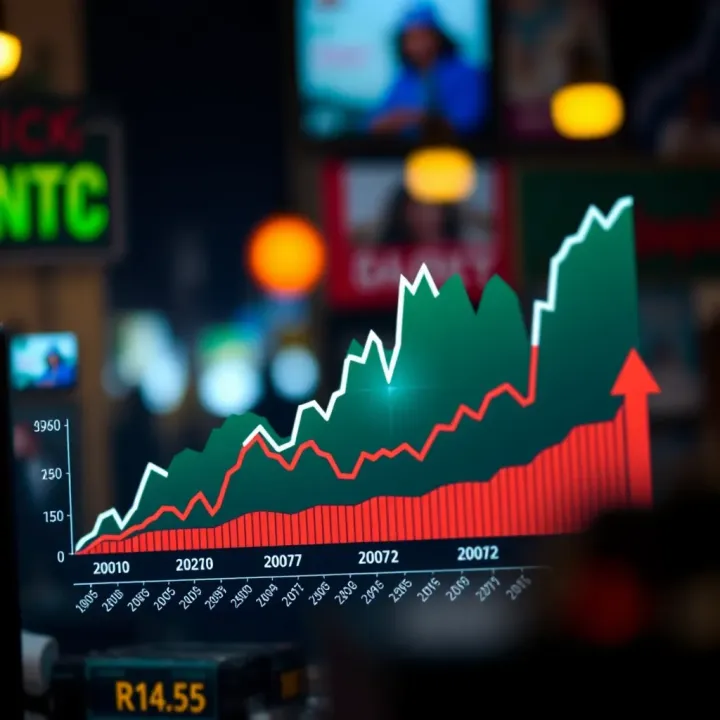
On the flip side, booms emerge when confidence surges, often helped by factors like stabilised prices, improved power supply, or government stimulus. For example, a steady CBN monetary policy rate can encourage lending and investment in startups and agribusiness.
Economic cycles in Nigeria reflect a mix of local and global forces; spotting early signs can mean the difference between loss and gain.
Oil price volatility: Nigeria’s reliance on oil means global price dips instantly reduce fiscal space.
Exchange rate instability: Sharp naira depreciation raises import costs, fuelling inflation.
Government policy shifts: Sudden subsidy removals or tax changes can disrupt business plans.
Global economic trends: Recessions abroad lower demand for Nigerian exports.
Market speculation: Overheated stock market or real estate bubbles can burst unexpectedly.
Job losses surge during crashes as firms downsize or shut; informal sector workers suffer most.
Consumer spending tightens, affecting retail, transport, and mama puts.
Inflation erodes savings and purchasing power, hitting low-income households hardest.
Investment dries up, slowing innovation and infrastructure development.
Being prepared helps. Traders should monitor CBN policies and FX rates closely. Entrepreneurs can diversify income streams or pivot to less sensitive sectors like digital services. Investors benefit from spreading risk across stocks, bonds, and real assets.
Recognising these patterns helps you stay ahead in Nigeria’s economy, making informed decisions through both crash and boom phases.
Understanding economic crashes and booms is essential for anyone involved in trading, investing, or running a business in Nigeria. These cycles influence market behaviour, affect company profits, and determine employment levels. Knowing how they work can help traders anticipate market shifts, investors time their portfolios better, and entrepreneurs plan their operations to either seize opportunities or shield themselves from downturns.
An economic crash refers to a rapid and significant decline in economic activity, often marked by sharp drops in stock prices, widespread business failures, and rising unemployment. For instance, Nigeria’s economy felt the bite of a crash in 2016 when global oil prices plunged, causing GDP contraction and job losses. Crashes tend to come with high uncertainty, reducing consumer and investor confidence, which further slows down spending and investment.
Economic booms are periods where economic activity expands noticeably. During booms, businesses report higher profits, unemployment rates drop, and consumer spending rises. Nigeria experienced a boom in the early 2010s, driven by increased foreign investment and stable oil prices, which boosted construction, telecommunications, and retail sectors. However, booms can lead to inflation and asset bubbles if growth overheats.
Crashes and booms are integral parts of the business cycle — the natural rise and fall of an economy over time. The cycle typically moves through phases: expansion (boom), peak, contraction (crash), and trough. For example, during expansion, demand and production grow, but reaching the peak often leads to overinvestment or inflation, pushing the economy into contraction. Recognising these phases helps financial experts and business owners adjust strategies accordingly, such as tightening credit in booms or preserving cash in crashes.
Businesses that grasp where the economy stands in the cycle can better manage risks and capitalise on favourable conditions.
In summary, knowing what economic crashes and booms are, coupled with understanding their place in the business cycle, gives traders, investors, and entrepreneurs a practical guide for decision-making amid Nigeria’s economic ups and downs.
Understanding what triggers economic crashes and booms is critical because it helps traders, investors, and business owners anticipate market shifts and adjust their strategies accordingly. The causes are often complex, but breaking them down into core factors reveals the mechanics behind these economic swings, making it easier to navigate uncertain markets.
Market Speculation and Asset Bubbles
Excessive speculation often inflates asset prices beyond their real value, creating bubbles prone to bursting. For instance, Nigeria’s stock market saw a rapid rise in shares that did not reflect companies' actual profits, leading to a sudden crash in 2008. Such speculative behaviour can mislead investors into buying overpriced stocks or properties. When confidence fades, prices plummet, triggering widespread sell-offs and losses.
Policy Errors and Monetary Factors
Mistakes in monetary or fiscal policies can worsen economic conditions. When the Central Bank of Nigeria (CBN) raises interest rates too sharply or delays adjusting foreign exchange policies, it can choke business investment and consumer spending. An example is the naira’s sharp devaluation in some periods, which caused inflation spikes and reduced purchasing power, stirring recession fears. Poor policy timing or misjudgements often accelerate downturns.
External Shocks and Global Influences
Events outside Nigeria’s borders can send ripples through the economy. The 2020 oil price crash hit Nigeria hard, as crude exports fund a significant part of government revenues and foreign reserves. Similarly, international trade disputes or global financial crises can reduce demand for Nigerian exports or limit access to foreign capital. These shocks often hit unexpectedly, forcing rapid adjustments by businesses and policymakers.
Increase in Consumer and Business Confidence
When individuals and companies feel optimistic about the future, they tend to spend and invest more. For example, after the 2016 recession, as economic indicators improved, Nigerian consumers began spending more on durable goods, and businesses restarted expansion projects. This confidence lifts demand across sectors, generating a positive feedback loop that fuels economic growth.
Expansionary Fiscal and Monetary Policies
Governments and central banks can spark booms by lowering interest rates or increasing public spending. Nigeria’s fiscal stimulus efforts in the past — such as infrastructure projects or tax rebates — helped boost job creation and demand. The CBN's measures to ease lending rules and encourage banks to extend credit stimulate investment and consumer borrowing, which together energise the economy.

Technological Innovations and Investment
Advancements in technology catalyse new industries and improve productivity, creating fresh growth avenues. The rise of fintech firms like Paystack, Flutterwave, and Kuda have expanded financial inclusion and disrupted traditional banking, driving sector growth. Similarly, investments in power generation and digital infrastructure increase efficiency across the economy, further supporting sustained expansion.
Recognising these causes sharpens your ability to spot turning points in the economy, thereby positioning your portfolio or business to withstand shocks or capitalise on growth phases effectively.
Understanding the effects of economic crashes and booms on Nigeria is vital for traders, investors, and entrepreneurs who want to anticipate risks and opportunities. These fluctuations aren’t just abstract numbers; they shape livelihoods, influence business decisions, and affect government policies. Whether it's the sudden rise in unemployment or a surge in consumer spending, recognising these impacts helps stakeholders respond strategically.
During an economic crash, job losses spike sharply as companies cut costs or close down. For example, Nigeria experienced a jump in unemployment rates after the 2016 recession triggered by falling oil prices. This surge pushed many households into poverty, especially those already living close to the poverty line. Reduced incomes often force families to cut back on essentials like food and education, deepening social challenges.
Economic crashes often cause severe instability in markets, affecting both small traders and larger businesses. When consumer demand drops, many businesses—especially SMEs that depend on daily sales—find it hard to survive. For instance, the recent naira depreciation has hit import-dependent retailers hard, leading to closures or downsizing. This chain reaction causes a loss of confidence in markets and complicates recovery efforts.
Crashes frequently lead to currency depreciation and rising inflation. In Nigeria, a weakened naira increases the cost of imported goods, pushing inflation upward. The 2020 economic downturn was marked by inflation rates climbing over 15%, squeezing consumer purchasing power. High inflation can also push the Central Bank of Nigeria (CBN) to tighten monetary policy, which may slow economic recovery further.
Economic booms generally bring job creation and improved incomes. During recent booms spurred by technological investments and expanding services sectors, employment increased notably in urban centres like Lagos and Abuja. Higher incomes allow more Nigerians to move beyond subsistence living, boosting demand for goods and services.
Boom periods usually encourage higher consumer spending and business investments. Entrepreneurs often seize these times to launch new products or expand operations. For example, the fintech sector in Nigeria flourished in boom phases, attracting both local and foreign investments. Increased spending drives GDP growth but requires careful monitoring to avoid excesses.
Though booms feel positive, they can sow the seeds for future problems like inflation and an overheating economy. When demand outpaces supply, prices rise sharply. Nigeria’s challenge has been to manage quick expansions without igniting inflation too high or creating speculative bubbles. Poor management could force sudden policy reversals, causing volatility.
Economic crashes and booms are a double-edged sword: understanding their impacts allows you to prepare better, whether by adjusting investment portfolios, timing market entry, or innovating business models to stay resilient.
In Nigeria, government and Central Bank actions during economic swings influence how quickly the economy recovers or stabilises. Their responses shape business confidence, affect currency stability, and guide fiscal health. Understanding these moves helps traders, investors, and entrepreneurs predict market shifts and make sound decisions.
The Central Bank of Nigeria (CBN) often cuts interest rates or lowers the Monetary Policy Rate (MPR) to encourage borrowing and investment during downturns. For instance, when oil prices plunged in 2020, the CBN reduced the MPR from 13.5% to 11.5%, hoping to stimulate credit flow to businesses and consumers. Lower rates reduce borrowing costs, helping companies sustain operations and consumers maintain spending.
In addition, the CBN may engage in liquidity support, providing banks with funds through intervention mechanisms like the Targeted Credit Facility. This helps banks continue lending despite uncertain market conditions, preventing credit crunches.
Governments can trigger fiscal stimulus by increasing budgetary spending on infrastructure, social programmes, or subsidies. Nigeria’s stimulus of ₦500 billion in 2020 targeted small businesses and vulnerable households amid the COVID-19 crash. Such spending injects money directly into the economy, boosting demand where private sector confidence has faded.
However, governments must balance stimulus size against fiscal responsibility. Overspending risks ballooning deficits and inflation, which could deepen problems later.
Some industries suffer more during crashes—agriculture, manufacturing, or informal sectors. Targeted support such as tax relief, concessional loans, or grants helps these sectors survive and retain jobs. For example, the Nigerian government’s various SME financing initiatives during economic slumps aim to reduce firm closures and unemployment spikes.
By protecting the most affected groups, these measures stabilise incomes and prevent social unrest.
During economic booms, inflation risks rise due to surging demand. The CBN often raises interest rates and tightens liquidity to cool the economy. Between 2016 and 2018, as Nigeria recovered from recession, the CBN gradually increased the MPR to curb inflation which had peaked above 18%.
Higher rates discourage excessive borrowing and dampen speculative investments, preventing asset bubbles and runaway inflation.
Credit regulation ensures banks lend responsibly during booms. The CBN enforces limits on risky lending, monitors loan-to-value ratios, and sometimes raises reserve requirements to control credit supply. This helps avoid excessive debt accumulation by individuals and businesses.
For example, tighter credit controls during the 2015–2016 period helped curb bad loans and kept the banking system resilient despite rapid expansion.
To sustain growth without overheating, Nigeria needs reforms that improve productivity and economic diversification. These include improving power supply, reducing bureaucracy, and fostering innovation hubs. Such structural changes raise the economy’s capacity, allowing it to expand steadily without triggering inflation or asset bubbles.
These reforms also reduce the economy’s dependence on volatile sectors like oil, making booms and crashes less severe.
Effective government and CBN responses are vital in smoothing Nigeria’s economic cycles. Their policies influence when and how businesses adjust, helping maintain confidence and stability amid volatility.
By grasping these interventions, investors and entrepreneurs can better navigate market changes and position themselves for resilience and growth.
Navigating economic crashes and booms demands clear strategies for both individuals and businesses. Without proper preparation, unexpected downturns or rapid growth spells can lead to serious financial stress. This section advises on practical steps you can take to remain resilient through these unpredictable cycles.
Relying on a single income stream, especially in a volatile economy like Nigeria's, is risky. When one sector suffers, income may dwindle or halt altogether. For instance, many Nigerians who are primarily salary earners supplement their earnings with side hustles such as running small-scale trading businesses or engaging with the gig economy through delivery services with platforms like Bolt or Uber Nigeria. This diversification cushions income shocks and creates multiple safety nets.
Having at least three to six months’ worth of expenses set aside in a liquid savings account is crucial. During a crash, access to cash can be tight due to inflation or job loss, so an emergency fund ensures you can meet essential needs. For example, someone working in the informal sector might save ₦50,000 from periodic earnings to help cover costs during lean spells, reducing pressure to borrow at high interest rates.
Keeping an eye on economic indicators and sector developments helps you anticipate changes. Subscribing to local financial news sources like BusinessDay or Nairametrics, and tracking CBN announcements or NGX stock updates, can signal early signs of a downturn or boom. Traders and entrepreneurs can then decide whether to slow spending, tighten credit, or invest more heavily based on this information.
Companies must keep a flexible cost structure to survive downturns. Reducing non-essential expenses, negotiating better terms with suppliers, or temporarily scaling down production during crashes saves cash flow. For example, a mama put owning several food stalls might consolidate operations to the most profitable locations during off-peak times, avoiding unnecessary rental and labour costs.
Expanding into untapped sectors or innovating product lines helps businesses ride out economic swings. A tech startup that initially offered payment solutions might branch into agricultural financial services to serve underserved rural clients, diversifying revenue sources. Adapting to changing consumer needs during booms or crashes keeps business relevant and competitive.
Economic upswings offer the capital and consumer demand to invest in technology or process improvements. This might include digitising sales channels, enhancing customer service, or developing new products. Businesses that innovate during booms position themselves for stronger recovery post-crash. For example, a retail company could implement an e-commerce platform during a boom, boosting sales beyond physical storefront limits.
Wise preparation reduces risk and builds resilience. Whether through personal savings or business flexibility, tackling economic shifts head-on protects livelihoods and creates opportunities even in uncertain times.
Discover how Lux Trading Firm shapes Nigeria’s economy with diverse products 🇳🇬, supports local entrepreneurs 🚀, and navigates challenges for lasting growth 📈.
📉 Volatility shows how asset prices change over time, affecting investors and markets. Understand causes, types, and impact for Nigeria and beyond in this clear guide.
Discover how BLUFX prop trading firm operates for Nigerian traders 🇳🇬. Learn about costs, benefits, risk rules, and account types to trade smarter with ₦.
📈 Get the latest gold price trends and market factors shaping Nigeria's gold scene today. Learn how global issues, economy, and geopolitics affect gold value and investment decisions.
Based on 5 reviews